Italy Travel Guide 2026 – Best Cities, Food & Attractions

Explore Italy’s top destinations including Rome, Venice, and Tuscany. Discover must-see attractions, local cuisine, and travel tips for your 2026 trip.

Italy is a country that demands you slow down and savor every moment. In 2026, the "Bel Paese" remains the world's most sought-after cultural destination, blending ancient Roman ruins with Renaissance masterpieces and a landscape that shifts from the icy peaks of the Dolomites to the lemon groves of Sorrento. This guide provides a comprehensive look at the logistical nuances, cultural deep-dives, and regional secrets that make an Italian journey truly unforgettable.

Seasons & Regional Strategy

Timing Your Trip

  • The Sweet Spot (Apr-June): Spring offers mild temperatures and fewer crowds. This is the best time for hiking in Cinque Terre or seeing Tuscany in full bloom.
  • The High Heat (July-Aug): Italian summers are intense. August 15th (Ferragosto) sees many city shops close as locals move to the coast. Expect 35°C+ temperatures in Rome and Florence.
  • The Harvest (Sept-Oct): Ideal for foodies. Truffle festivals and grape harvests dominate the north, and the southern sea remains warm enough for swimming.

North vs. South

Italy is culturally split. The North is industrialized, punctual, and known for wealthy fashion hubs and cream-based pasta. The South (Mezzogiorno) is where life is slower, the sun is hotter, and the cuisine relies on olive oil, fresh tomatoes, and spicy seafood.

Major Cities to Explore

Rome

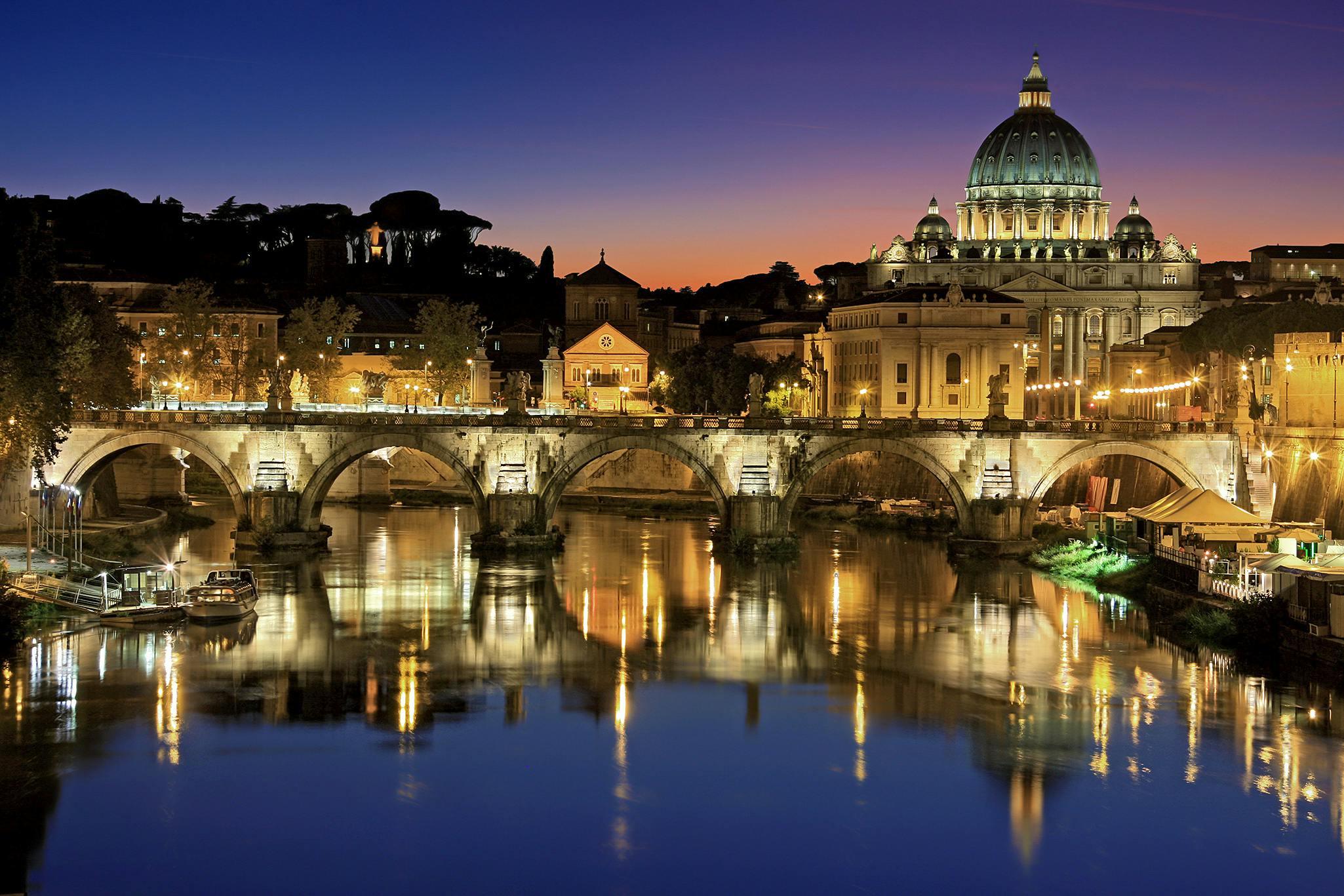
Rome

The Eternal City. A dense layer-cake of history where the Pantheon and Colosseum sit alongside buzzing espresso bars.

Florence

Florence

The cradle of the Renaissance. Home to the Uffizi Gallery and Michelangelo's David. Perfect base for exploring Tuscany.

Venice

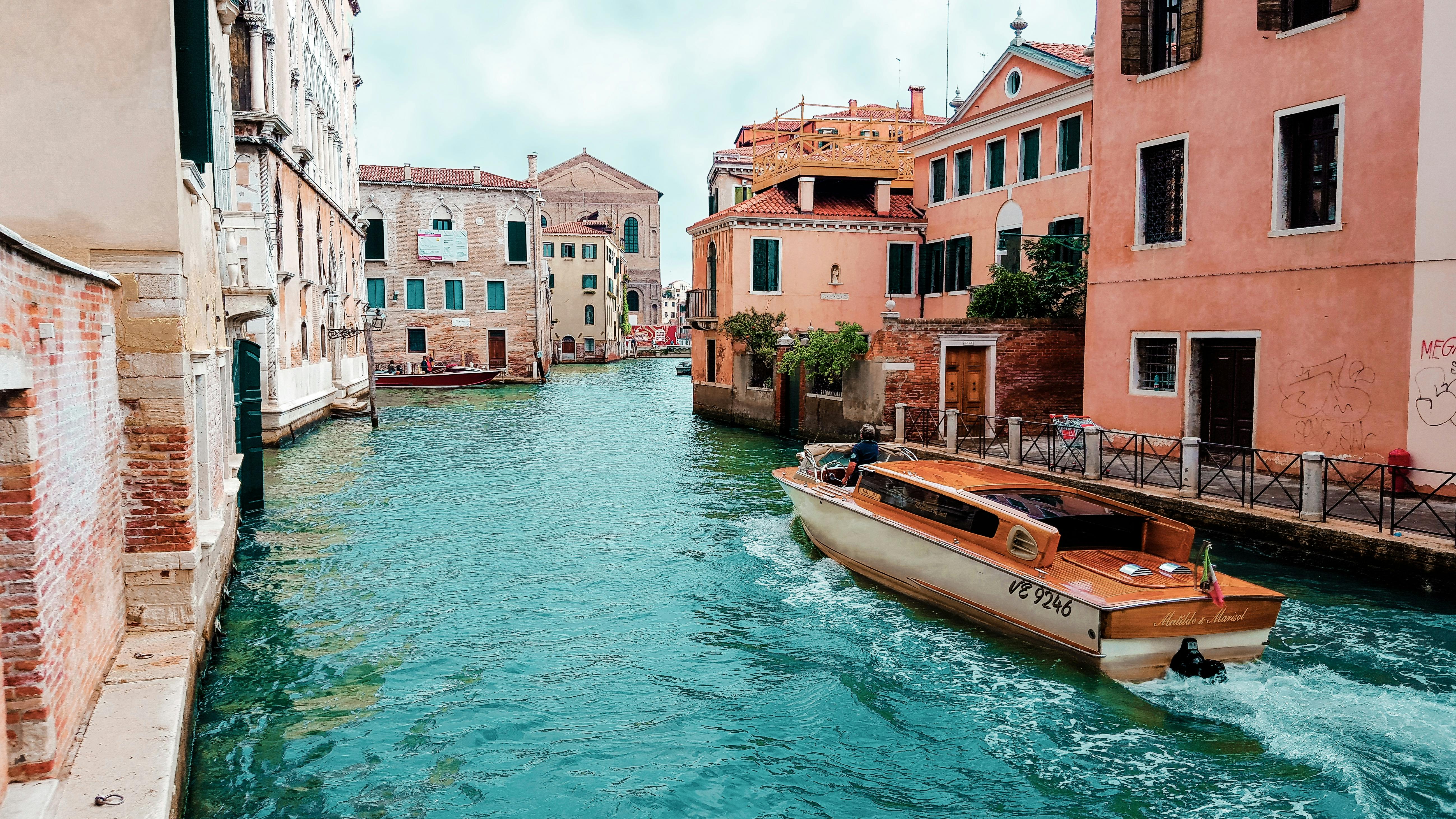
Venice

A floating miracle of marble palaces and winding canals. Stay overnight to experience the city without the day-trip crowds.

Naples

Naples & Amalfi

The birthplace of pizza and the gateway to the stunning vertical villages like Positano and Ravello.

Milan

Milan

Italy's engine room of fashion and finance. Visit the Gothic Duomo and experience the refined "Aperitivo" culture.

Tuscany

Siena & Tuscany

Step into a medieval dream in Siena’s Piazza del Campo and explore the rolling hills of Val d’Orcia.

Culture, Food & Etiquette

The Italian Dining Ritual

Dining is the most important part of the day. A traditional meal includes: Antipasto, Primo, Secondo, and Dolce. You don't have to order every course, but never ask for a side of pasta with your main meat—they are separate events.

  • Coffee Rules: Order your espresso at the bar for a cheaper price. Never order a Cappuccino after 11:00 AM.
  • The Coperto: A standard cover charge (usually €2-4). Tipping 15-20% is not standard; rounding up is sufficient.
  • Dress Code: "Bella Figura" is key. Shoulders and knees must be covered in churches or you will be denied entry.

Transport & Airport Logistics

Airport Transfers: Getting to the City

Every major Italian city has specific rules for airport arrivals. Knowing these saves you from scams and high costs:

  • Rome (Fiumicino): The Leonardo Express train is the fastest way to Termini Station (€14, 32 mins). Taxis have a fixed flat rate (approx €50) to the city center—only take official white taxis from the stand.
  • Milan (Malpensa): Use the Malpensa Express train. If you take a taxi, be prepared for a high cost (fixed at approx €110) as the airport is far from the city.
  • Ridesharing (Uber/FreeNow): Standard UberX does not exist in most of Italy. You can only use Uber Black (professional drivers), which is more expensive than a taxi. Use the FreeNow app to hail official taxis—it's the local equivalent and very reliable.

The Train System

Trains are the lifeblood of Italy. There are two main types:

  • Alta Velocità (High Speed): Frecciarossa (Trenitalia) and Italo. These are fast, luxury trains. Book these weeks in advance for 2026 travel to save up to 60%.
  • Regionale: Slower, cheaper trains for smaller towns. CRITICAL: You must validate your physical ticket in the green/yellow machines on the platform before boarding, or you will be fined heavily.

Metro, Tram & Bus

Most Italian cities have a "one-ticket-fits-all" system for local transit. Tickets (Biglietti) are usually not sold on the bus. You must buy them at a Tabacchi (shops with a big 'T' sign), newsstands, or via apps like TicketAppy. Validation is required the moment you step on the vehicle.

Safety & Advisories

Scams & Theft

Pickpocketing is common at Termini Station (Rome) and on the Metro. Avoid strangers offering "help" with luggage or ticketing machines. They are almost always looking for a tip or your wallet.

The ZTL Warning

Do not drive into city centers marked with ZTL signs. These are restricted zones monitored by cameras. Fines are automatic and sent to your rental agency.

Costs & Health Essentials

Daily Budget

Budget / Hostel €40 – €90
Mid-Range Hotel €150 – €300
Luxury Boutique €500 – €2,500+

Entry & Health

  • ETIAS: Required in 2026 for non-EU visitors.
  • Water: Use "Nasoni" (public fountains) for free, safe water.
  • Pharmacies: Look for the green cross. Pharmacists can give medical advice and some prescriptions directly.

Global Visa Explorer 2026 LIVE

Instant travel requirements for 150+ world destinations.

STATUS

Travel Info

DURATION -
IMPORTANT INFO Select countries to view 2026 travel details.

Frequently asked questions

about Italy

Why do Italians get annoyed when tourists order cappuccino after lunch or dinner in Italy?

In Italian food culture, cappuccino is considered a breakfast drink because milk heavy coffee after meals is believed to interfere with digestion. Locals usually switch to espresso later in the day. Tourists can still order cappuccino anytime, but doing it after a big pasta dinner immediately signals “tourist” to Italians.

Why can sitting down at a café in cities like Rome or Venice suddenly make your coffee three times more expensive?

Many Italian cafés charge different prices for standing at the counter versus sitting at a table, especially near tourist landmarks. Some places also add service charges or “table fees.” Tourists often see a cheap espresso listed outside but get surprised by the final bill because they sat down without checking the seating prices.

Why do many Italians avoid eating near famous tourist attractions?

Around landmarks like the Colosseum or Leaning Tower of Pisa, many restaurants mainly target tourists with overpriced and less authentic food. Italians usually walk several streets away from major attractions to find better quality local restaurants. A menu with photos in five languages is often seen as a warning sign by locals.

Why is asking for Alfredo pasta in Italy confusing to many Italians?

What many tourists call “Fettuccine Alfredo” is mostly an Italian American creation and is not commonly eaten across Italy. In most Italian restaurants, locals may not recognize it as a traditional national dish. Tourists expecting creamy Alfredo sauce everywhere are often surprised because Italian pasta sauces are usually much lighter and region specific.

Why are strict dress rules enforced at some churches and religious sites in Italy?

Important religious places like St. Peter's Basilica and many historic cathedrals require modest clothing because they are active religious spaces, not only tourist attractions. Sleeveless tops, very short shorts, or revealing clothing can lead to denied entry even during hot summer weather. Many tourists only discover this after waiting in long lines.

Arrive Well Rested with the New Serenity 2 Sleep Mask

Designed for total darkness and uninterrupted sleep.

Shop now
Customer Favorites
Customer Favorites

Customer Favorites

On-the-Go Essentials

On-the-Go Essentials

Tech for Travel
Tech for Travel

Tech for Travel

Travel Comfort
Travel Comfort

Travel Comfort

Smart Packing
Smart Packing

Smart Packing

Travel Made Simple

At Jetvance, we’re a Belgium-based team focused on making travel easier through smart products and useful information. We create tools that simplify the way you plan, organize, and experience your trips. Alongside our products, we provide clear and practical insights about destinations and travel in general, helping you feel more prepared wherever you go. With Jetvance, everything you need to travel smarter is in one place.

Check Out Our Products