Arrive Well Rested with the New Serenity 2 Sleep Mask
Designed for total darkness and uninterrupted sleep.


Estonia is Europe's "Digital Nomad" capital, where ancient pine forests cover over half the country and the Baltic Sea provides a dramatic, wind-swept coastline. In 2026, Estonia continues to lead the world in e-governance, but for travelers, the real magic lies in the silence. It is a place of white nights in summer, frozen sea roads in winter, and a culinary scene that is currently redefining Nordic cuisine.
In mid-winter, Estonia gets only about 6 hours of daylight. Conversely, in June, it stays bright until nearly midnight. If traveling in 2026 during winter, pack Vitamin D and a high-quality "reflector" (helkur)—a small reflective tag Estonians wear on their coats by law to stay visible on dark roads.
Northern Estonia (Tallinn & The Coast): The economic and cultural powerhouse. Tallinn is a mix of the UNESCO Old Town and the industrial-cool Telliskivi district. The coastline here is rocky and dramatic, featuring Lahemaa National Park.
Southern Estonia (Tartu & The Hills): The intellectual heart. Tartu, the oldest city in the Baltics, is a vibrant university town. This region is hillier and greener, focusing on folklore, the unique Seto culture, and "slow living."
Western Estonia & The Islands (Saaremaa & Hiiumaa): This is where Estonians go to disappear. It’s a land of windmills, juniper bushes, and spas. The pace here is much slower, and the traditions—like home-brewed beer and smoked fish—are fiercely protected.
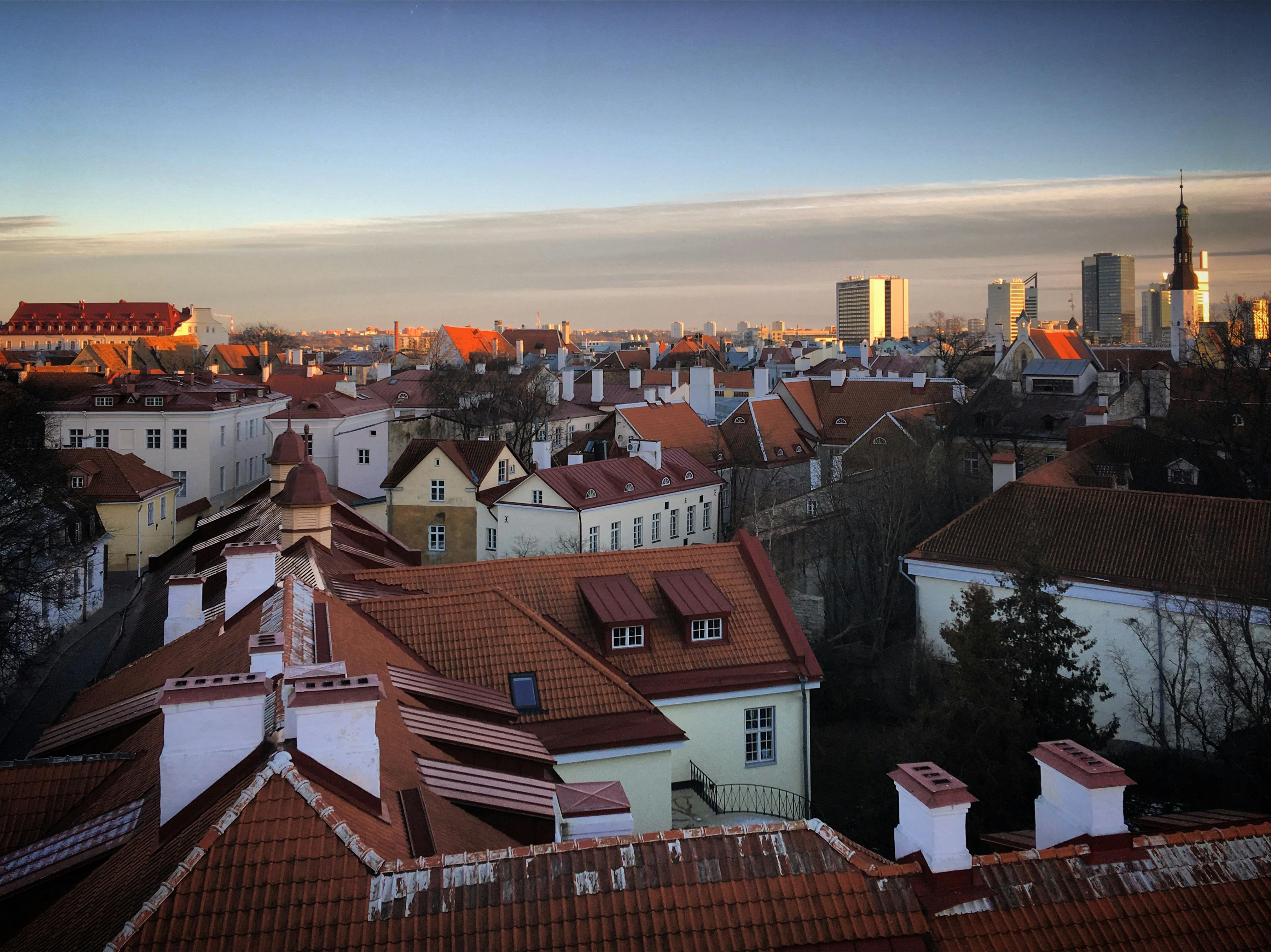
The best-preserved medieval city in Northern Europe. Climb Toompea Hill for views of red-tiled roofs and the Baltic Sea.
The City of Good Thoughts. Home to the world-renowned University of Tartu and the quirky, bohemian Supilinn (Soup Town).
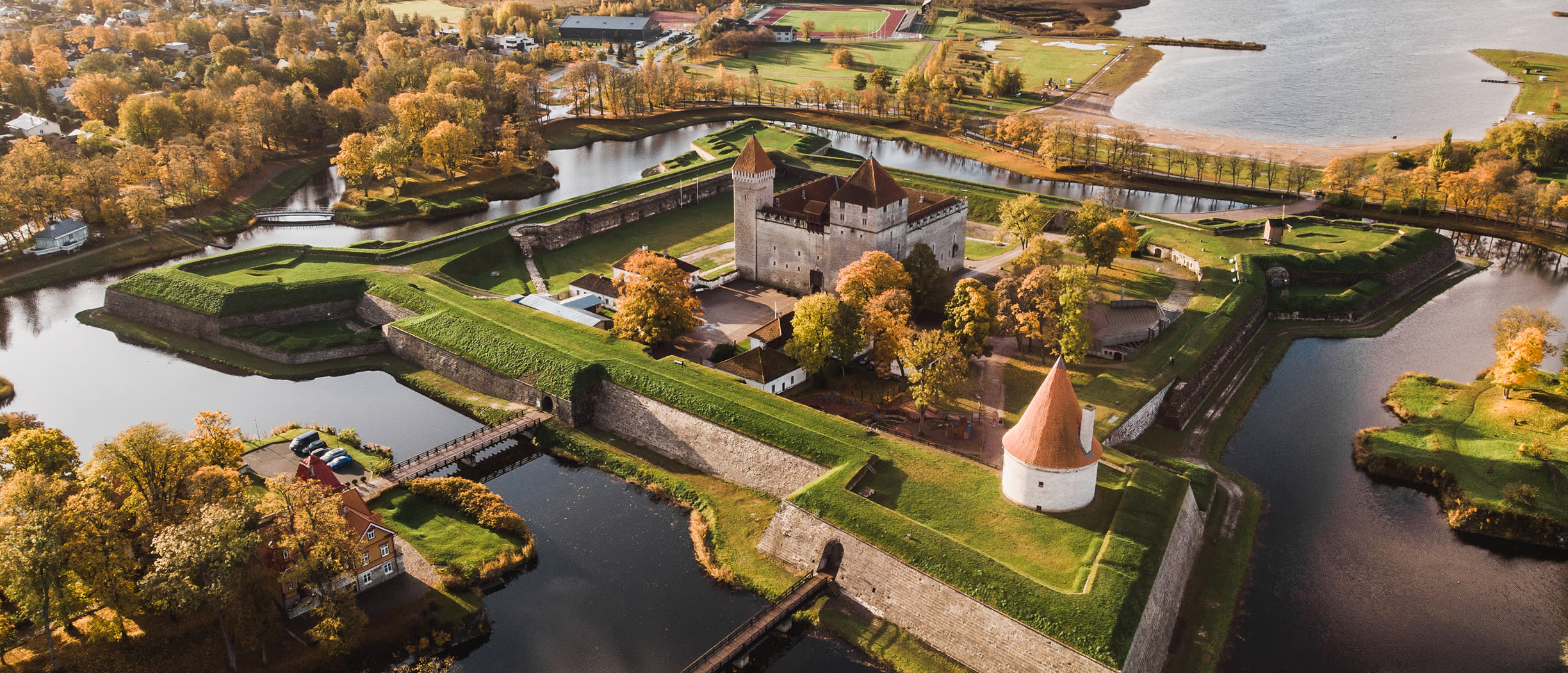
Estonia’s largest island. Visit Kuressaare Castle and the Kaali meteorite craters for a mix of history and geological wonder.
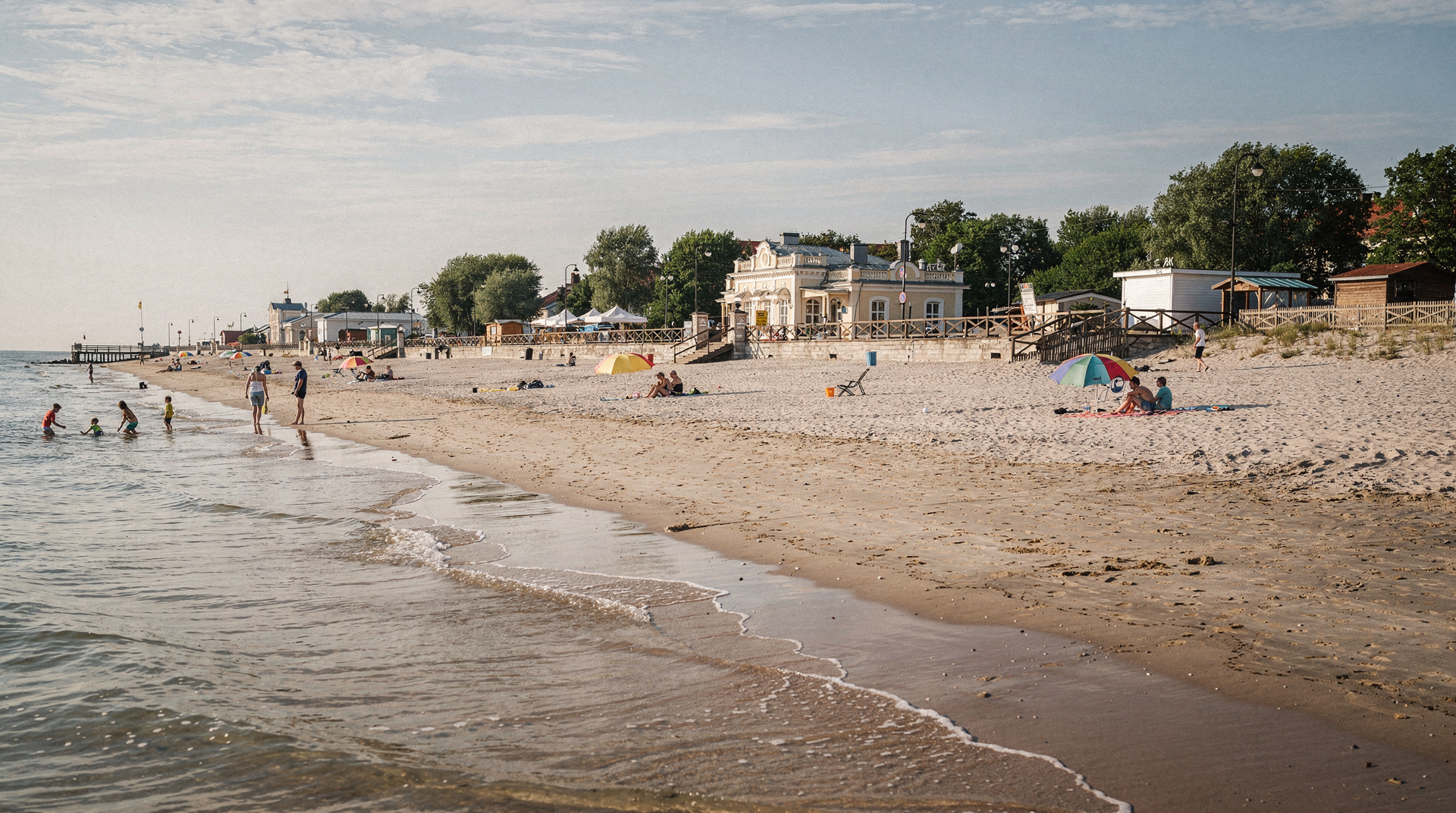
The summer capital. Famous for its long sandy beaches, shallow waters, and elegant 1930s mud-bath houses.

The "Land of Bays." Estonia’s oldest national park features grand manor houses and the Viru bog boardwalk.
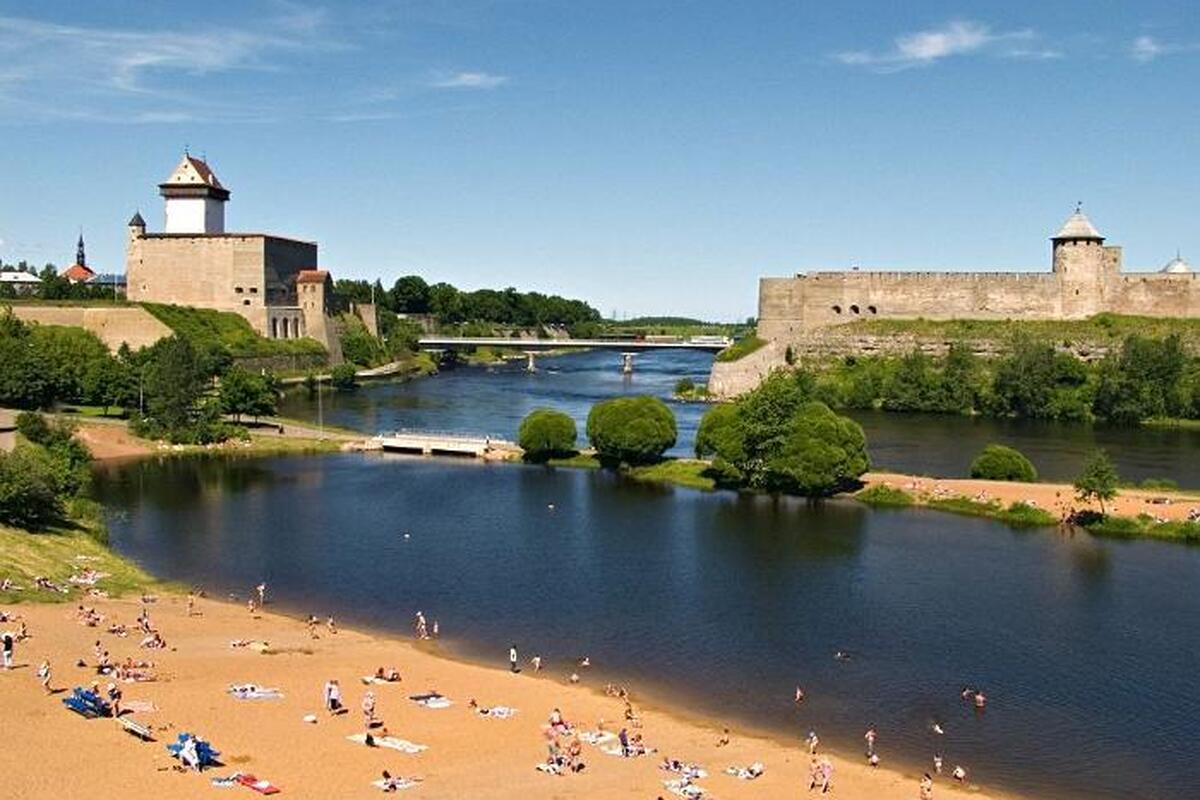
Where East meets West. The Hermann Castle stands directly across the river from Russia’s Ivangorod Fortress.
Estonia does not have a high-speed rail network. Instead, it has world-class buses:
Tallinn residents travel for free, but tourists must buy a Smartcard (Ühiskaart) or use a contactless bank card on the orange validators at the front door of buses/trams.
In very cold winters (late Jan/Feb), Estonia opens official Ice Roads over the Baltic Sea to the islands. It’s the only place in the EU where you can legally drive a car on the sea.
In Estonia, pedestrians are legally required to wear a reflector (helkur) when walking in the dark. Police can technically fine you, but they usually just give you a free one if you're a tourist.
Public Wi-Fi is everywhere—even in the middle of some forests. However, always use a VPN for sensitive transactions. Estonia is extremely safe from physical crime, but keep an eye on digital security.
Compare time difference between popular travel destinations.


Arrive Well Rested with the New Serenity 2 Sleep Mask
Designed for total darkness and uninterrupted sleep.

Customer Favorites

On-the-Go Essentials

Tech for Travel

Travel Comfort

Smart Packing

Travel Made Simple
At Jetvance, we’re a Belgium-based team focused on making travel easier through smart products and useful information. We create tools that simplify the way you plan, organize, and experience your trips. Alongside our products, we provide clear and practical insights about destinations and travel in general, helping you feel more prepared wherever you go. With Jetvance, everything you need to travel smarter is in one place.