England Travel Guide 2026 – London, Heritage & Wild Coasts

Discover England’s historic landmarks, cozy countryside, and modern energy. Essential tips, transport hacks, and cultural insights for 2026.

England in 2026 is an intricate weave of ancient ritual and hyper-modern flair. It is a country where you can take a high-speed train from a Roman-walled city to a skyscraper-filled financial hub in under an hour. Beyond the familiar red buses of London, England offers the mist-covered peaks of the Lake District, the literary charm of the Southwest, and a world-class culinary scene that has long outgrown its "boring" reputation. This guide navigates the legendary "stiff upper lip," the logistical nuances of the rail system, and the regional soul of the English people.

Seasonal Planning

The Best Timing

  • Late Spring (May–June): The most beautiful time for gardens and the Cotswolds. The "Bank Holidays" bring a festive spirit, though some shops may close early.
  • Summer (July–August): Ideal for the beaches of Cornwall or the Brighton pier. It's festival season (Glastonbury), but popular London sites will have 2-hour queues.
  • Autumn (September–October): Crisp air and golden trees in the New Forest. It’s "University Season," making cities like Oxford and Cambridge feel electric and alive.
  • Winter (December): London’s "Winter Wonderland" and the Christmas markets of York are world-famous. Expect damp cold, but incredibly cozy pub fires.

The Weather Reality

The British obsession with weather is justified. It can rain four times in a single afternoon. In 2026, "layering" remains the gold standard of travel. A light, high-quality waterproof jacket is non-negotiable. While summers can now hit 30°C+ due to climate shifts, the evenings almost always remain cool, requiring a jumper (sweater) even in July.

Understanding the Regional Soul

The Great North-South Divide

In 2026, England is a federation of distinct identities. The South (London, Home Counties, Southwest) is the engine of the country—fast-paced, expensive, and globally focused. Here you find the "Regency" elegance of Bath and the surfer vibes of Cornwall. People here are polite but often in a hurry, and the cost of a pint of beer is at its highest.

The Midlands & North (Manchester, Leeds, Newcastle, Liverpool) offers a grittier, more authentic energy. Born from the Industrial Revolution, these cities are now hubs for music and digital tech. Northerners are famously more "chatty" and friendly than Londoners. The food portions are larger, the prices are lower, and the landscape shifts into the rugged beauty of the Peak District and Yorkshire Moors.

The West Country (Somerset, Devon, Dorset) moves at a different speed entirely. This is the land of cider, cream teas, and mystical history (Stonehenge, Glastonbury). It is where the English go to disappear from the modern world, offering a slower, rural pace that feels disconnected from the frenzy of the capital.

Top 2026 Destinations

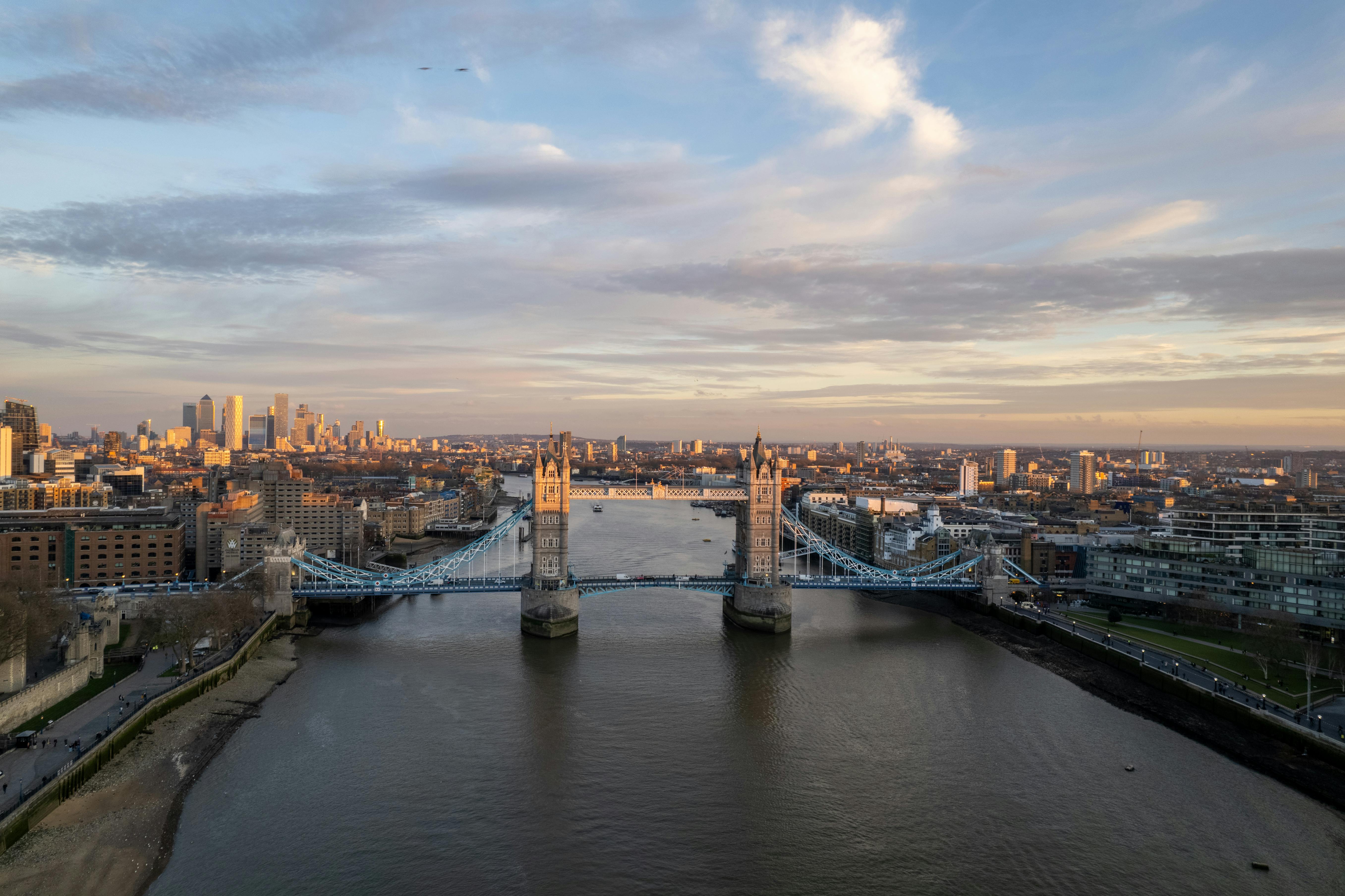
London

London

The global capital. From the history of Westminster to the street art of Shoreditch and the skyline of the Shard.

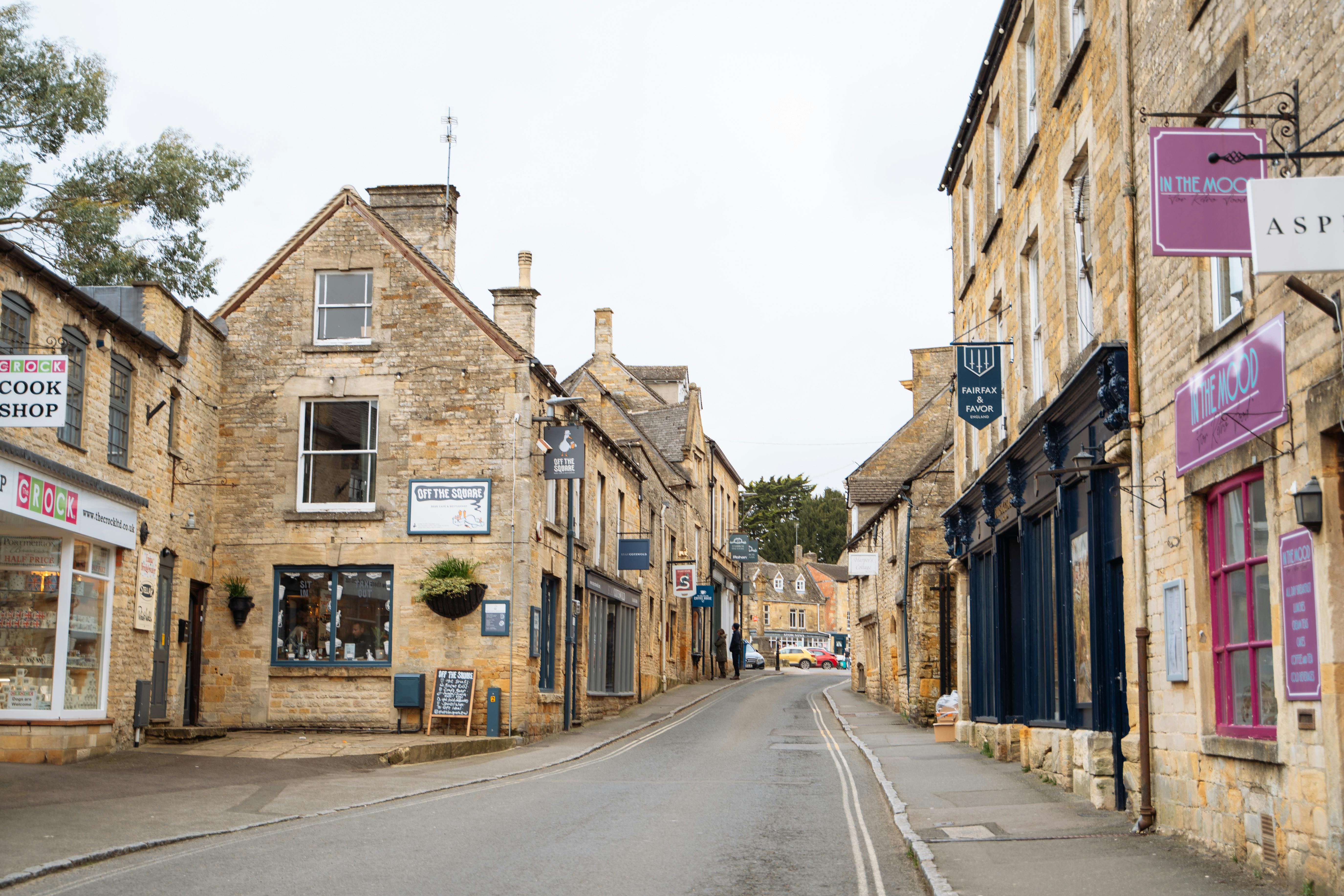
The Cotswolds

The Cotswolds

The quintessential countryside. Rolling hills, honey-colored stone villages, and the best walking trails in the UK.

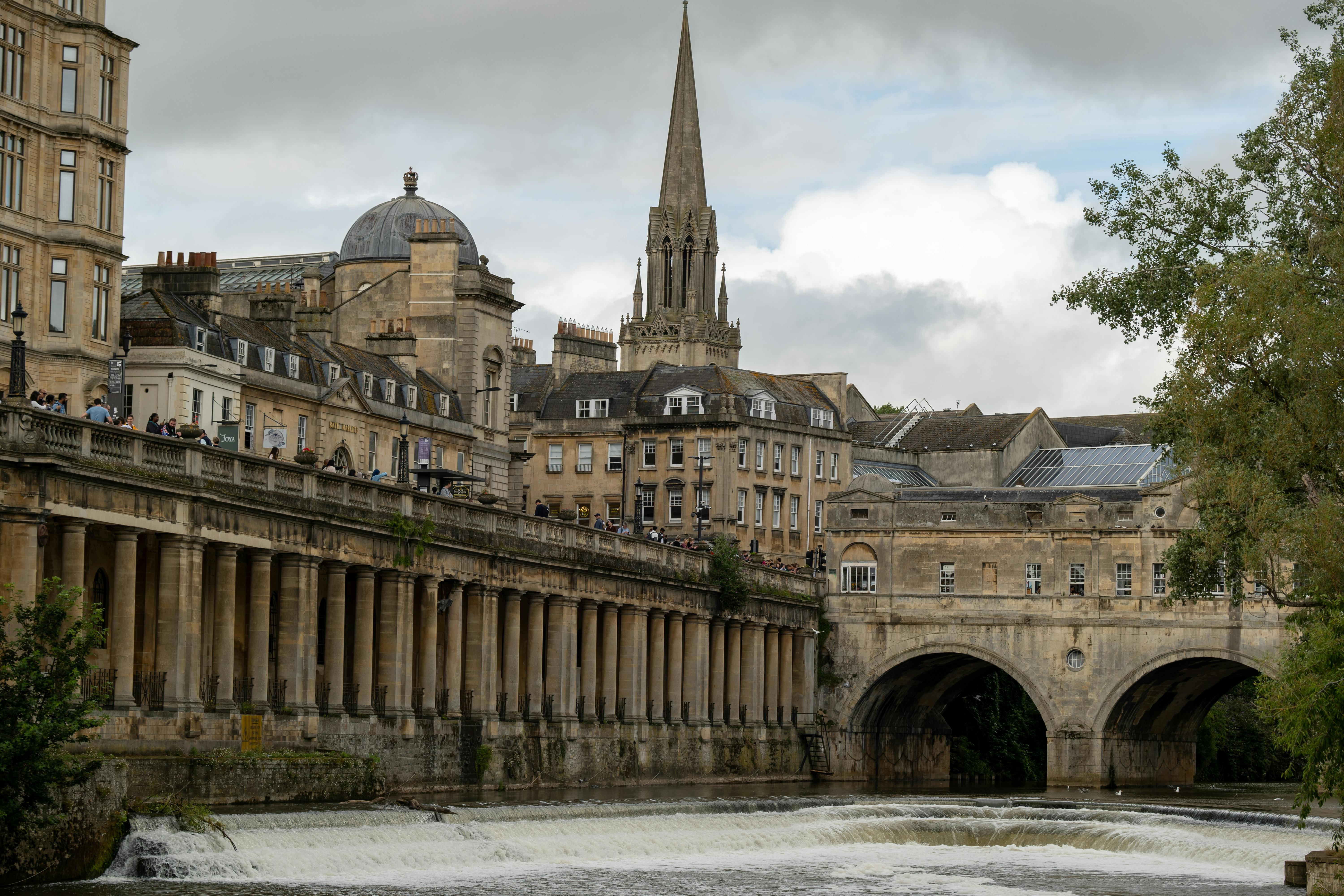
Bath

Bath

A UNESCO masterpiece. Walk through 2,000-year-old Roman Baths and admire the stunning Royal Crescent architecture.

The Lake District

Lake District

The crown jewel of English nature. Hike Scafell Pike or take a vintage steamer boat across Lake Windermere.

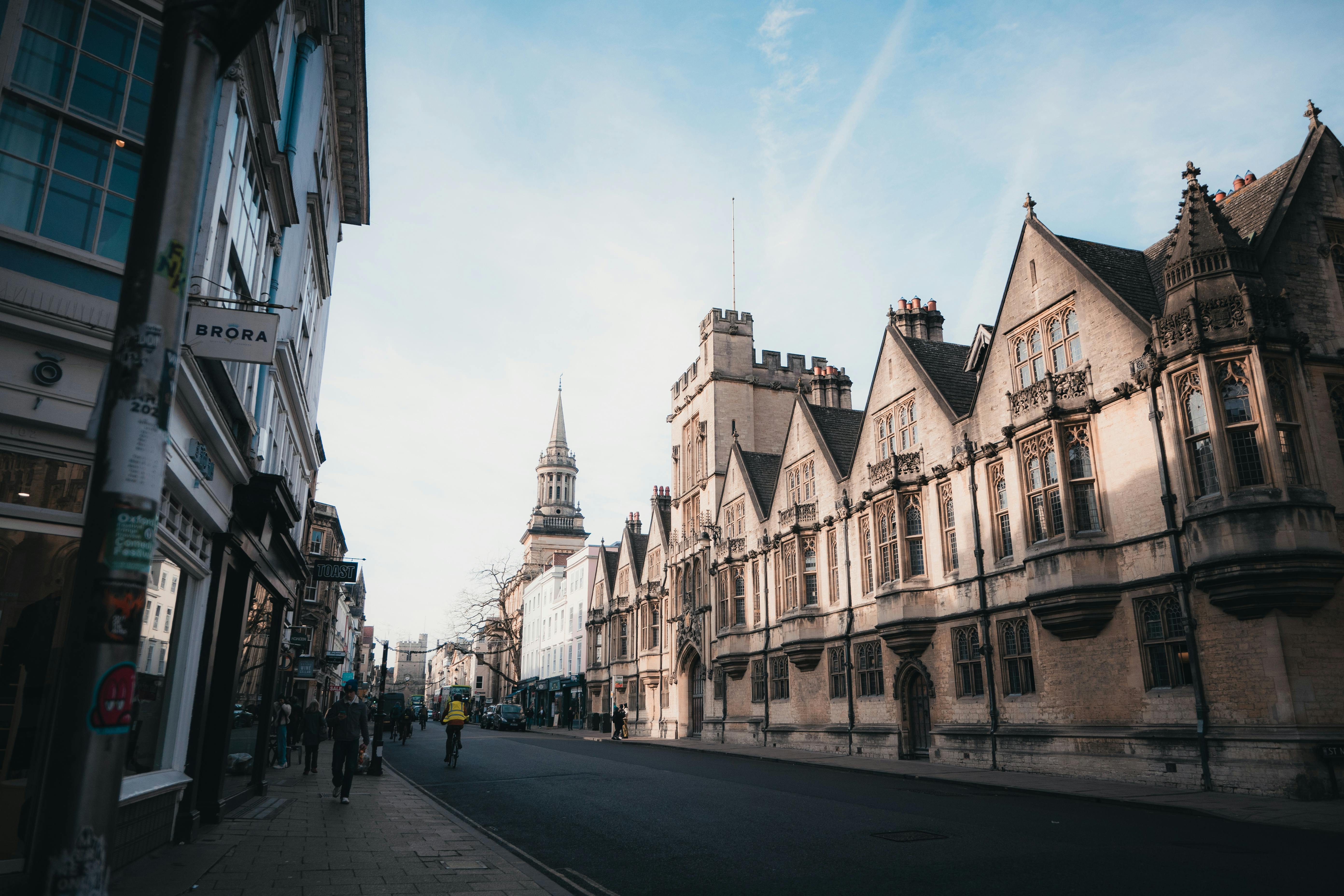
Oxford

Oxford

The City of Dreaming Spires. Explore the 800-year-old university colleges and try your hand at punting on the river.

Cornwall

Cornwall

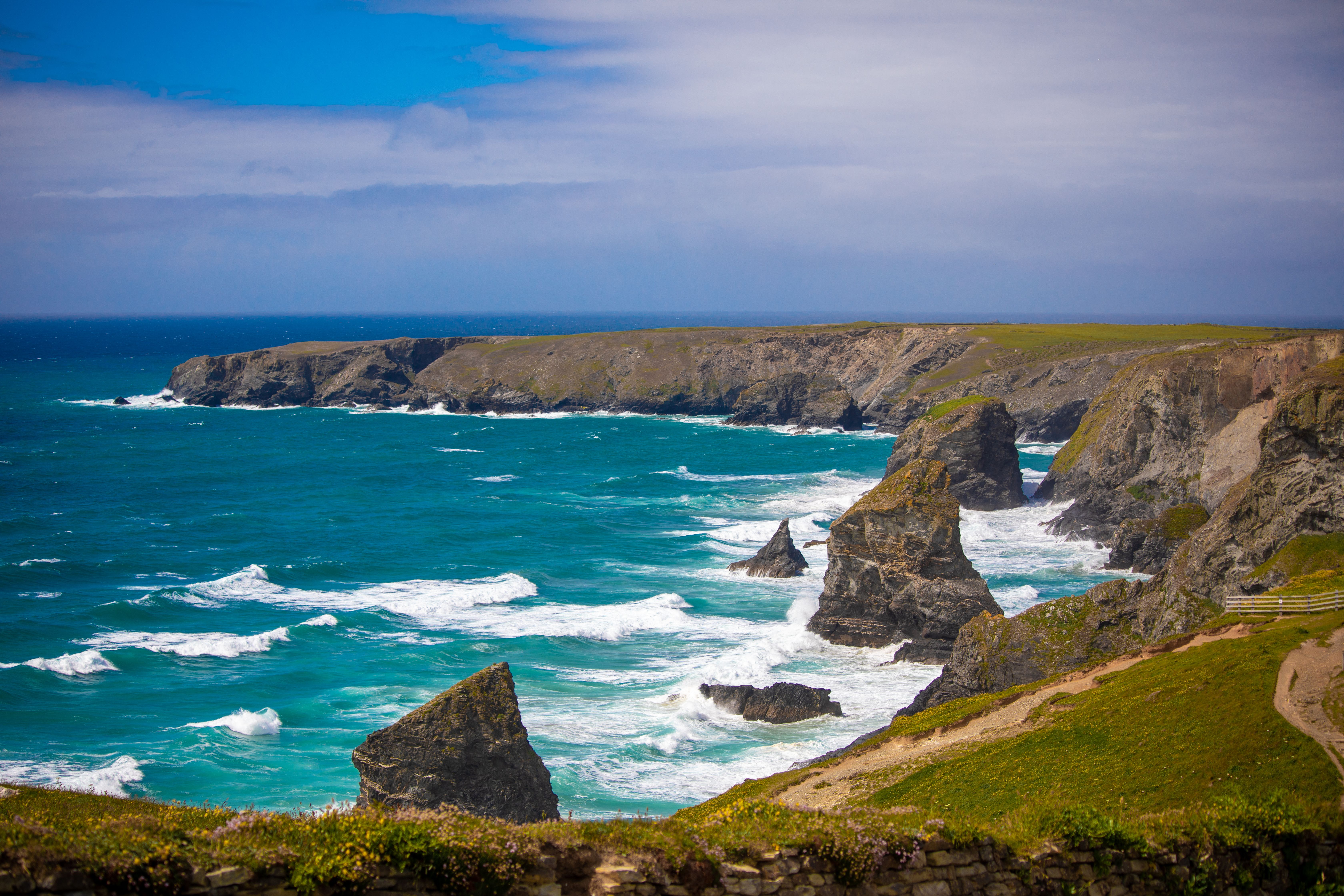
England’s wild coast. Famous for its dramatic cliffs, turquoise waters, and the world-renowned Eden Project.

Culture, Pubs & Etiquette

The British Social Code

English culture is built on "social lubrication"—mostly through tea or beer. Understanding the unwritten rules of the pub and the queue is essential for a smooth trip.

  • Cashless Society: In 2026, England is 99% cashless. You can tap a card/phone for a 50p pack of gum or a £5,000 watch. Carrying physical cash is largely unnecessary.
  • The Sunday Roast: This is a sacred ritual. On Sundays, pubs serve roast meats, Yorkshire puddings, and gravy. Reservations are mandatory in popular spots.
  • Pub Protocol: Do not wait for table service in a standard pub. Go to the bar, order your drinks, pay immediately, and take them back to your seat.
  • The Queue: "Cutting" in line is the fastest way to make an enemy in England. Even if the line looks disorganized, ask "Is this the back of the queue?"

Transport & Airport Logistics

Major Airport Links

  • Heathrow (LHR): The Elizabeth Line is the 2026 gold standard—fast, cheap, and reaches Central London in 35 mins. Avoid the "Heathrow Express" unless you have money to burn.
  • Gatwick (LGW): The Gatwick Express to Victoria Station is easiest, but the Thameslink train is often cheaper and better for reaching North London or St. Pancras.
  • Manchester (MAN): The gateway to the North. Direct trains connect the airport to the city center in 20 minutes, or to the Lake District in 90 minutes.

The London Tube

Never buy paper tickets. Use Contactless or Apple/Google Pay. The system automatically "caps" your daily spend so you never overpay for travel across zones.

Driving on the Left

Roads in England (outside motorways) are notoriously narrow. If you rent a car, specifically request an Automatic, as Manual (stick-shift) is still the default.

Essential Safety & "Tube" Rules

Stand on the Right

On every escalator in the London Underground, you must stand on the right. The left side is for people who are running/walking. Blocking the left side is a major faux pas.

Watch Your Phone

In 2026, "phone snatching" by thieves on e-bikes is a common issue in busy London areas. Avoid holding your phone loosely near the curb side of the pavement.

Costs & Health Essentials

Daily Budget

Budget / Hostel £65 – £95
Mid-Range Traveler £160 – £250
Luxury Stay £450 – £2,000+

Travel Info

  • ETIAS / Visa: Ensure you check the 2026 digital entry requirements for the UK based on your nationality.
  • Taps: Most sinks have two separate taps (one freezing, one boiling). Be careful when washing your hands!
  • Pharmacy: Look for "Boots" or "Superdrug." They are the primary health and hygiene shops across every high street.

Global Visa Explorer 2026 LIVE

Instant travel requirements for 150+ world destinations.

STATUS

Travel Info

DURATION -
IMPORTANT INFO Select countries to view 2026 travel details.

Frequently asked questions

about France

Do I need to speak French to travel comfortably in France?

Not necessarily, but it helps more than people expect. In cities like Paris, many people speak English, especially in hotels, restaurants, and tourist areas. However, starting with a simple “Bonjour” before switching to English is considered polite and often results in friendlier service. You do not need fluency, just a small effort makes a noticeable difference.

How exactly do metro and bus tickets work in Paris?

In Paris, the old paper tickets are called “Ticket t+”, but they are being phased out. The easiest option now is the Navigo Easy card, a small reusable card that you load with tickets. You can also use the Île-de-France Mobilités app to store tickets digitally on your phone. Important detail, you must validate your ticket at entry and keep it until you exit, as random checks do happen.

Can I just tap my credit card to enter the metro or bus?

Sometimes, but not everywhere yet. Paris is slowly rolling out contactless tap systems, but it is not fully universal like in London. In many stations, you cannot rely on tapping your bank card directly. Instead, you load tickets onto a Navigo Easy card or your phone. Contactless payment does work at ticket machines, so you can quickly buy tickets using Visa or Mastercard.

Which payment methods are actually accepted in France?

Most places accept Visa and Mastercard without any issues, including contactless payments. Apple Pay and Google Pay are also widely supported. However, American Express is less consistently accepted, especially in smaller shops or cafés. Carrying a small amount of cash is still useful, but for most travelers, card payments cover almost everything.

What is better in France, Uber or regular taxis?

Uber works very well in cities like Paris and is usually cheaper and easier to use than traditional taxis. You get upfront pricing, in app payment, and live tracking. Regular taxis can still be useful, especially from taxi stands or airports, but pricing can vary more. Most travelers default to Uber for convenience and predictability.

What is the best way to get from the airport into the city?

From the main Paris airport, the most common option is the RER B train, which connects directly to the city center and is both fast and affordable. Tickets can be bought at machines using card or cash. Uber and taxis are available, but they are significantly more expensive. A lot of travelers choose train for daytime arrival and Uber if arriving late at night or with heavy luggage.

Arrive Well Rested with the New Serenity 2 Sleep Mask

Designed for total darkness and uninterrupted sleep.

Shop now
Customer Favorites
Customer Favorites

Customer Favorites

On-the-Go Essentials

On-the-Go Essentials

Tech for Travel
Tech for Travel

Tech for Travel

Travel Comfort
Travel Comfort

Travel Comfort

Smart Packing
Smart Packing

Smart Packing

Travel Made Simple

At Jetvance, we’re a Belgium-based team focused on making travel easier through smart products and useful information. We create tools that simplify the way you plan, organize, and experience your trips. Alongside our products, we provide clear and practical insights about destinations and travel in general, helping you feel more prepared wherever you go. With Jetvance, everything you need to travel smarter is in one place.

Check Out Our Products