Spain Travel Guide 2026 – Top Cities, Beaches & Culture
Plan your Spain trip with the best cities, beaches, and cultural hotspots. Find things to do, travel tips, and must-see attractions in Spain for 2026.
Spain is a land of vivid colors, infectious energy, and an unwavering commitment to la buena vida. In 2026, it continues to be a premier global destination, offering a unique blend of Moorish architecture, world-class modern art, and some of the most beautiful coastlines in Europe. From the high-energy streets of Madrid to the sun-soaked shores of the Balearic Islands, this guide provides all the essential details to navigate Spain’s diverse regions and rich cultural heritage.
Climate & Regional Geography
When to Visit
- Spring (April–June): The ideal time. Festivals like Seville’s Feria de Abril are in full swing, and the weather is warm but not oppressive.
- Summer (July–August): Extremely hot, especially in the interior (Seville and Madrid often hit 40°C+). This is peak beach season for the Costa del Sol and Costa Brava.
- Autumn (September–October): Warm waters and thinning crowds make this the best time for the Mediterranean coast.
- Winter (November–March): Mild in the south (Andalusia) and perfect for sightseeing without the sweat. Northern Spain remains rainy and cool.
Regional Diversity
Spain is divided into 17 autonomous communities, each with its own flavor. The North (Basque Country/Galicia) is green, rainy, and famous for rugged coasts. The East (Catalonia/Valencia) is Mediterranean and artistic. The South (Andalusia) is the land of Flamenco, white villages, and Islamic heritage. Understanding these differences is key to planning your itinerary.
Iconic Spanish Cities
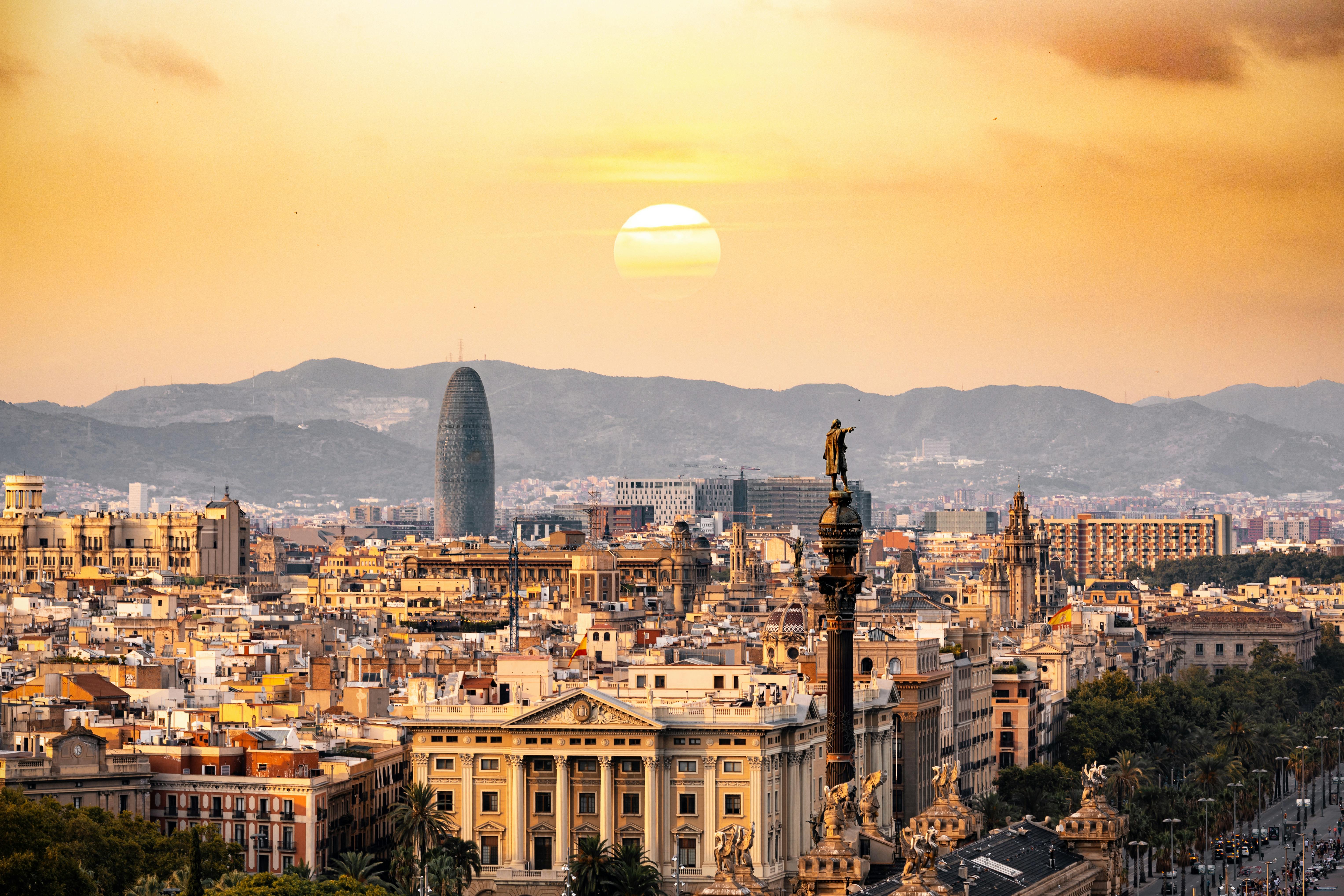
Barcelona
The cosmopolitan capital of Catalonia. Famed for Gaudí’s Sagrada Família, the gothic quarter, and urban beaches. A hub for avant-garde art and design.
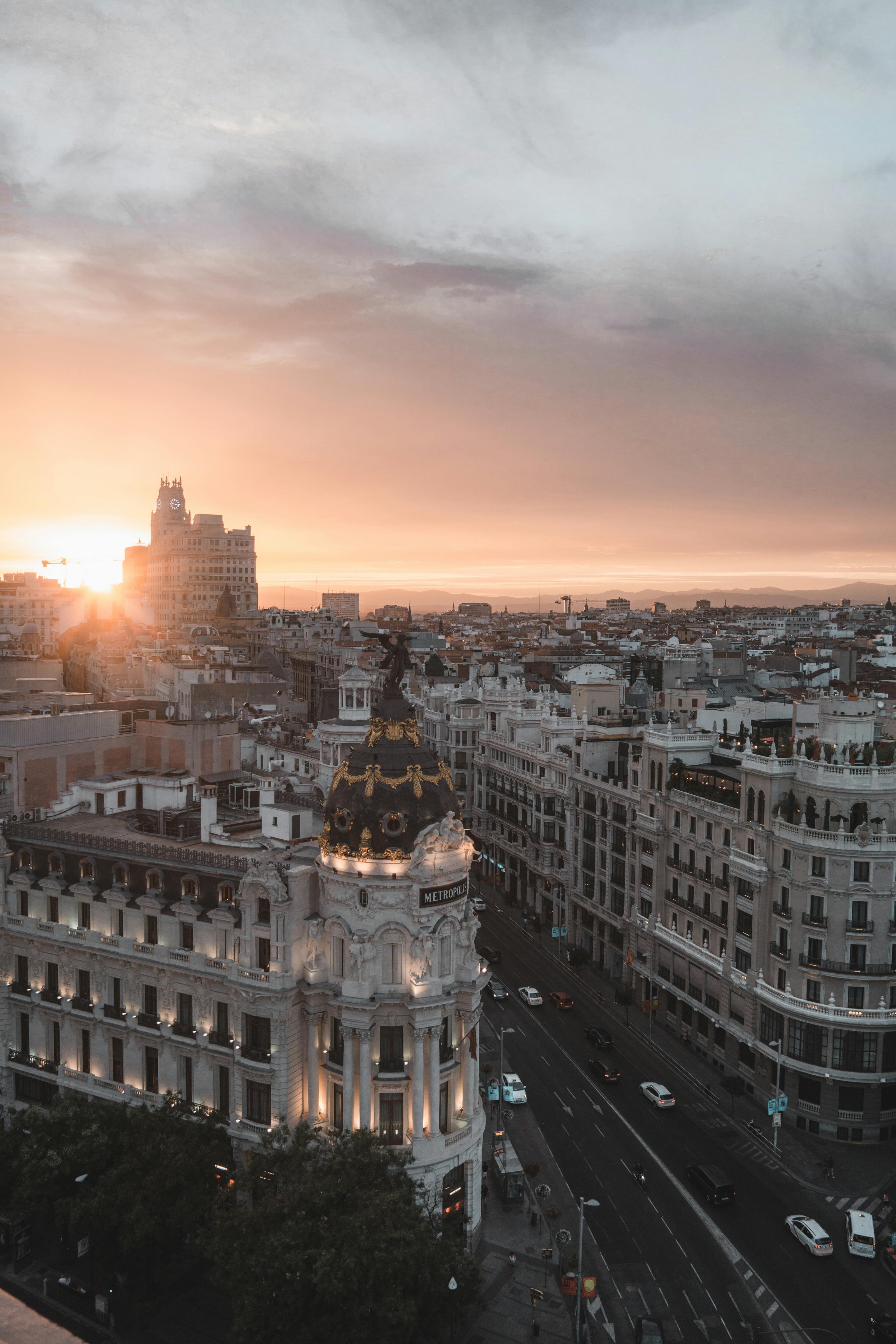
Madrid
Spain's golden heart. Known for the Prado Museum, the Royal Palace, and a legendary nightlife that doesn't start until midnight.

Seville
The soul of Andalusia. Home to the world's largest Gothic cathedral and the stunning Alcázar palace. The heat here is as passionate as the Flamenco.
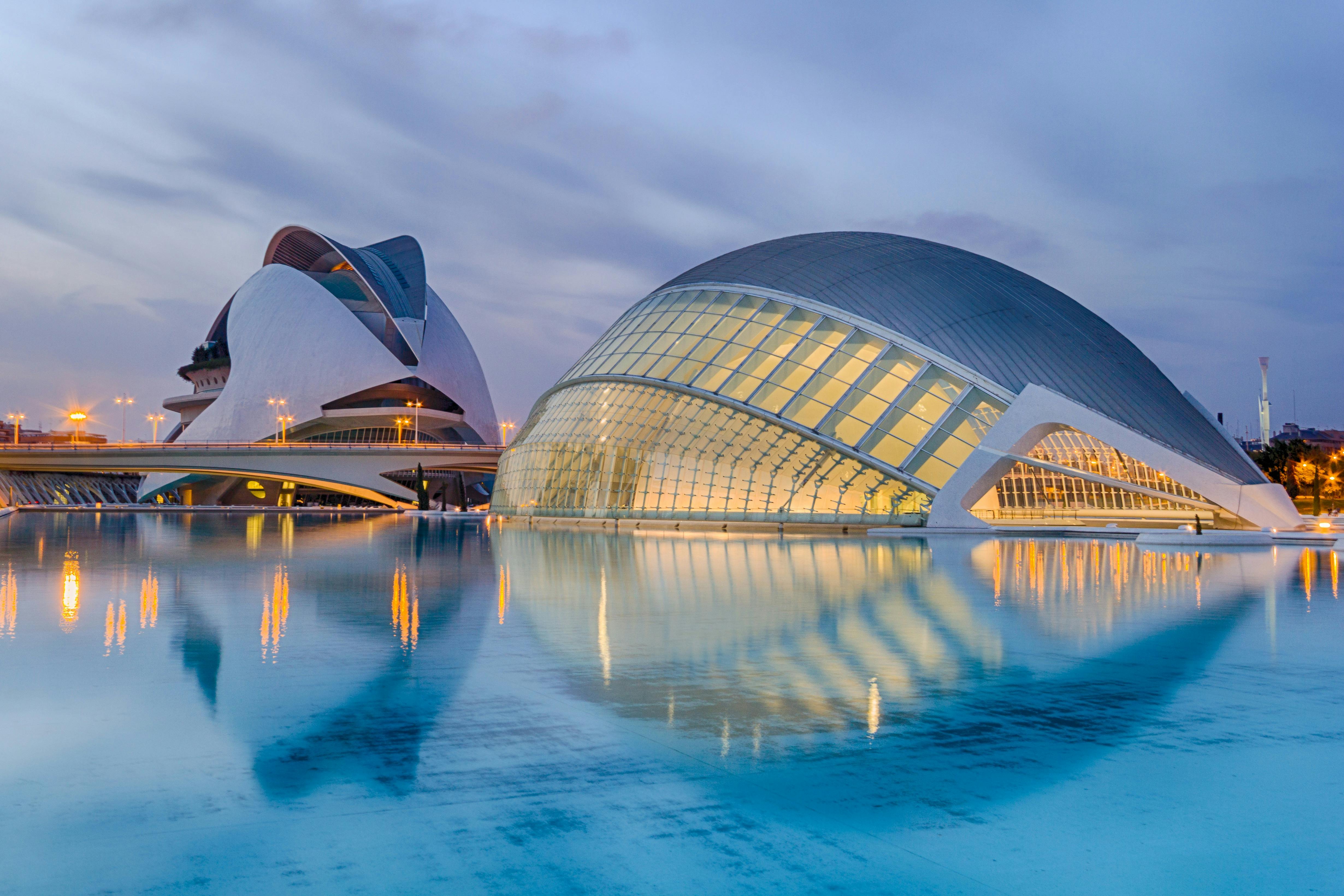
Valencia
A mix of futuristic architecture (City of Arts and Sciences) and tradition. The undisputed home of authentic Paella.

Granada
Nestled at the foot of the Sierra Nevada mountains, it houses the Alhambra, a breathtaking Moorish fortress and palace complex.

San Sebastián
The culinary capital of the North. Famous for La Concha beach and its incredible "Pintxos" (Basque tapas) culture.
Culture, Food & The Spanish Schedule
Tapas & Dining Habits
Spain runs on a different clock. Lunch (la comida) is the main meal, usually between 14:00 and 16:00. Dinner (la cena) is light and late, often not starting until 21:00 or 22:00.
- Tapas Culture: Going for tapas is a social activity. You move from bar to bar, having one drink and one small plate at each. In cities like Granada, tapas are often still served free with a drink.
- The Siesta: While the 3-hour nap is a myth in big cities, many shops in smaller towns still close between 14:00 and 17:00. Plan your shopping accordingly!
- Language: While Spanish (Castilian) is the main language, be aware that Catalan, Basque, and Galician are co-official in their respective regions and widely used.
Transport & Airport Logistics
Airport Transfers
Spanish airports are highly efficient and well-connected to their respective city centers:
- Madrid (Barajas): The Cercanías train (Line C1) or the Metro (Line 8) are the fastest options. Taxis have a fixed flat rate of €33 to the city center (M-30 area).
- Barcelona (El Prat): The Aerobús is the most popular shuttle (€6.75). Taxis use meters, and there is a minimum airport fare of €21.
- Ridesharing: Uber and Cabify are the main apps. However, Cabify is often more popular and reliable in Spain. For traditional taxis, the FreeNow app works perfectly.
The AVE High-Speed Train
Spain has the best high-speed rail network in Europe. The AVE connects Madrid to Barcelona in just 2.5 hours. Low-cost competitors like Ouigo and Avlo have made 2026 train travel much cheaper. Always book in advance via Renfe.com.
Local Metro & Buses
Cities like Madrid and Barcelona have world-class Metros. You can buy multi-trip cards (like the T-Casual in Barcelona) at stations. Note that Spanish buses are incredibly punctual, even for long-distance travel (ALSA is the main operator).
Safety & Local Advisories
Pickpocketing Warning
Barcelona is frequently cited as the pickpocketing capital of Europe. Be extremely wary on Las Ramblas and in the Metro. Never leave your phone on the table at an outdoor cafe—"grab and run" thefts are common.
Beach Safety
In many regions like the Canary Islands or the Costa Brava, currents can be deceptively strong. Always look for the flag color: Green (safe), Yellow (caution), or Red (strictly forbidden). Police will fine you for swimming under a red flag.
Costs & Health Essentials
Daily Budget
Budget / Hostel
€35 – €75
Mid-Range Hotel
€120 – €250
Luxury Boutique
€400 – €1,800+
Entry & Health
- ETIAS: Starting in 2026, non-EU travelers (US/UK/CA) will need this authorization.
- Sun Safety: The Spanish sun is fierce. Heatstroke is the most common tourist ailment; drink plenty of water and wear SPF 50.
- Water: Tap water is safe everywhere, though it tastes better in Madrid than on the coast.


