Arrive Well Rested with the New Serenity 2 Sleep Mask
Designed for total darkness and uninterrupted sleep.


Romania in 2026 is a breathtaking paradox of high-tech modern cities and rural landscapes where time has stood still for centuries. As a new full member of the Schengen Area, crossing into Romania is now seamless, making it the perfect year to visit. From the soaring Gothic spires of Transylvania to the untamed wilderness of the Danube Delta, Romania offers a depth of culture and natural beauty that remains remarkably affordable compared to Western Europe.
If you plan to drive the Transfăgărășan or Transalpina, note that they are typically closed due to snow from November until late June. In 2026, always check the local weather before attempting these routes; even in summer, fog can drop visibility to near zero in minutes.
To navigate Romania, you must understand its historical split. Wallachia (The South) is home to Bucharest. It is a land of plains and the gateway to the Danube. The energy here is fast-paced and urban, transitioning into the southern Carpathian foothills where royal palaces like Peleș reside.
Transylvania (The Heart) is what most people imagine: a central plateau ringed by mountains. It feels distinctly Central European, with Saxon fortified churches, cobblestone medieval towns, and a cultural blend of Romanian, Hungarian, and German influences. This is where you find the most iconic "Dracula" castles.
Moldavia & Bucovina (The Northeast) is the spiritual core. It is famous for its UNESCO-listed painted monasteries and a rural life that remains deeply traditional. Farther north is Maramureș, where wooden skyscrapers (churches) and the "Merry Cemetery" offer a window into a lifestyle that has barely changed in 500 years.
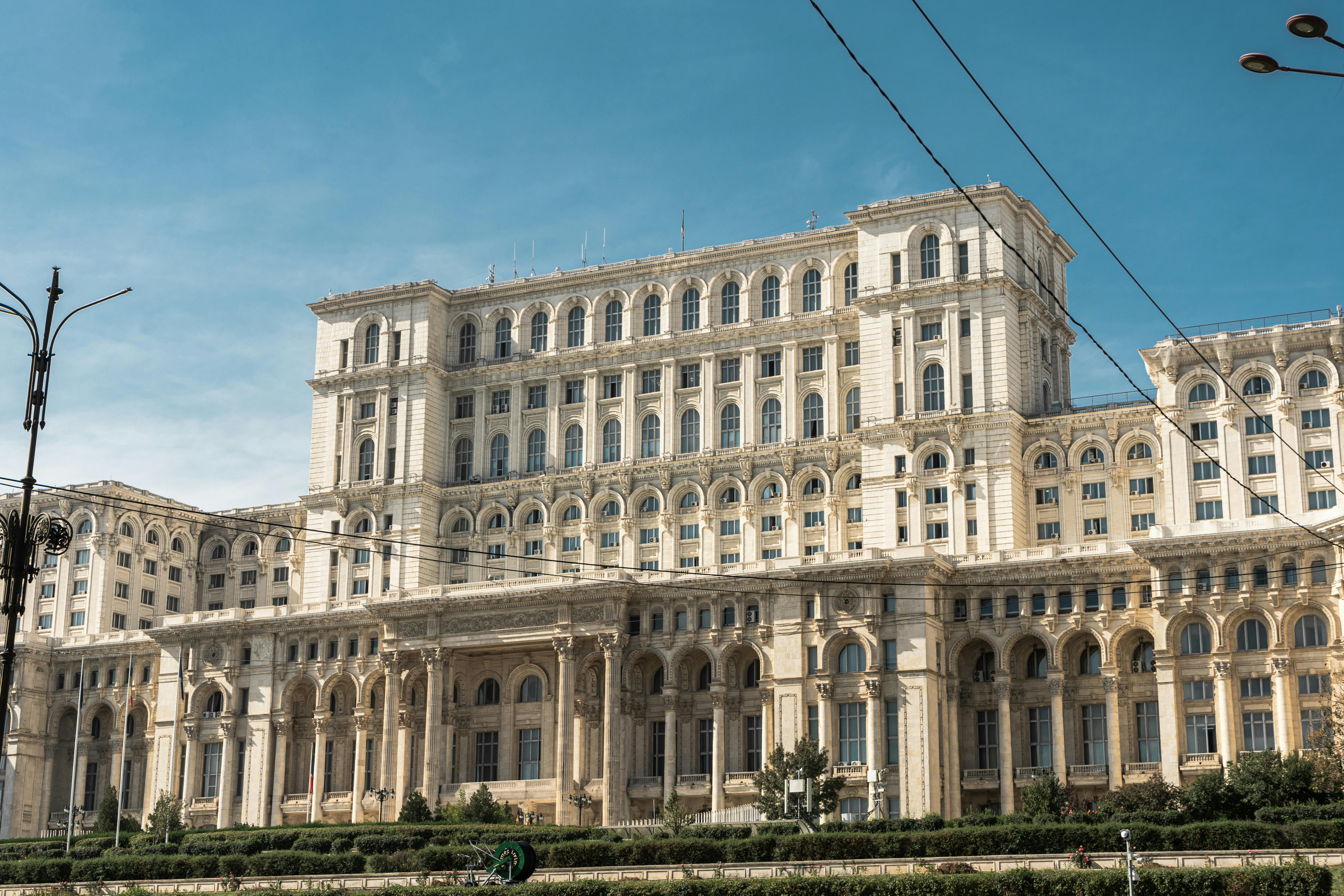
The "Little Paris." Contrast the massive Palace of the Parliament with the vibrant Old Town nightlife and Belle Époque architecture.
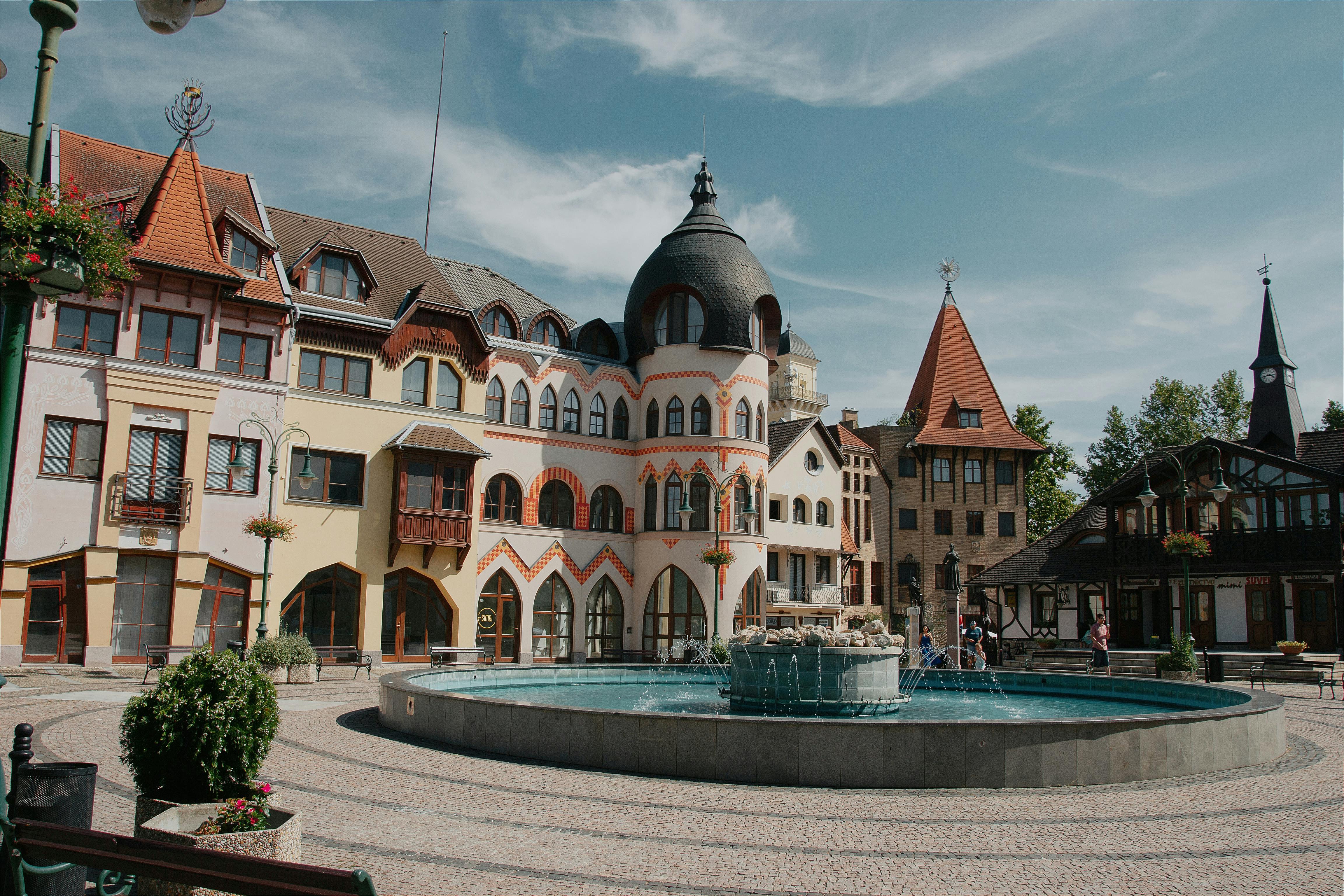
The gateway to Transylvania. A perfectly preserved medieval city surrounded by mountains. The Black Church is a 2026 must-see.
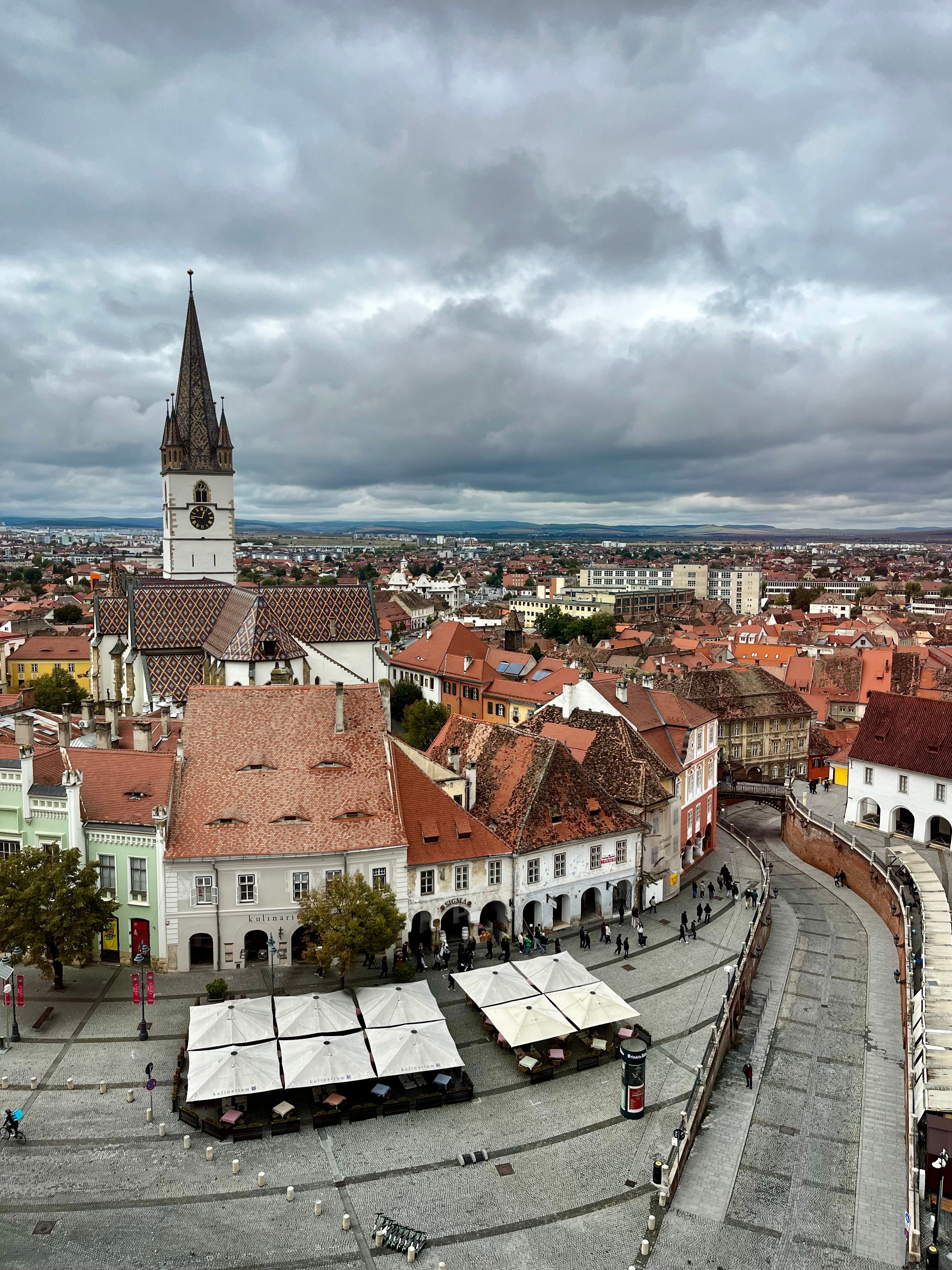
Known for the "houses with eyes." This pedestrian-friendly city is the capital of Romanian gastronomy and home to the ASTRA museum.
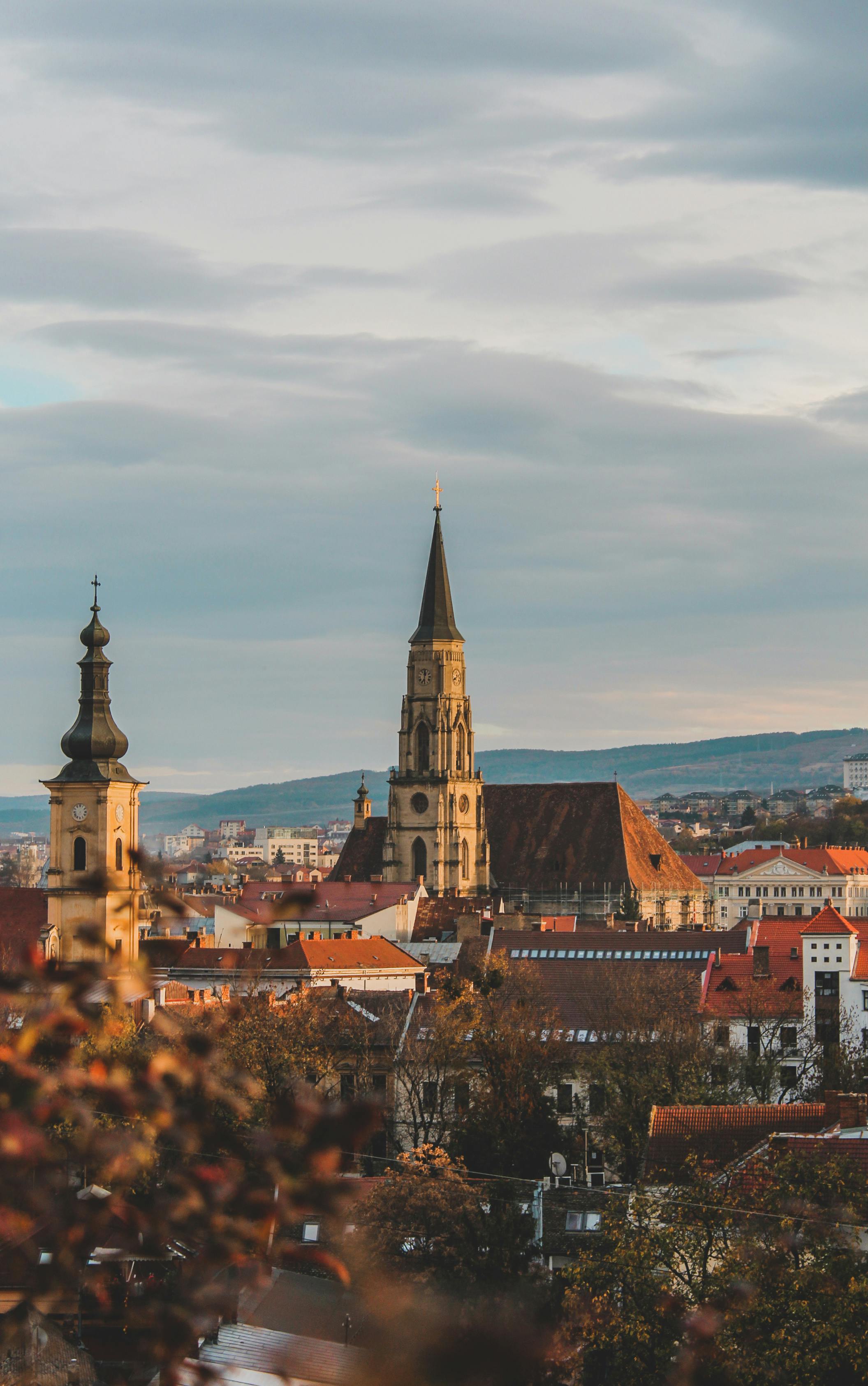
The unofficial capital of Transylvania. A youthful, tech-driven city famous for the UNTOLD festival and its vibrant botanical gardens.
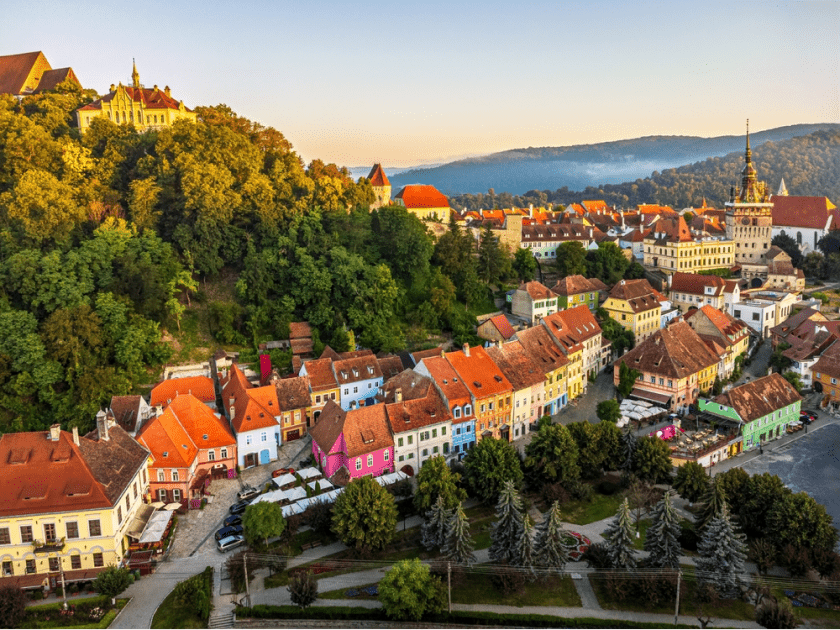
A color-drenched UNESCO citadel. One of the few inhabited medieval fortresses in Europe and the birthplace of Vlad the Impaler.
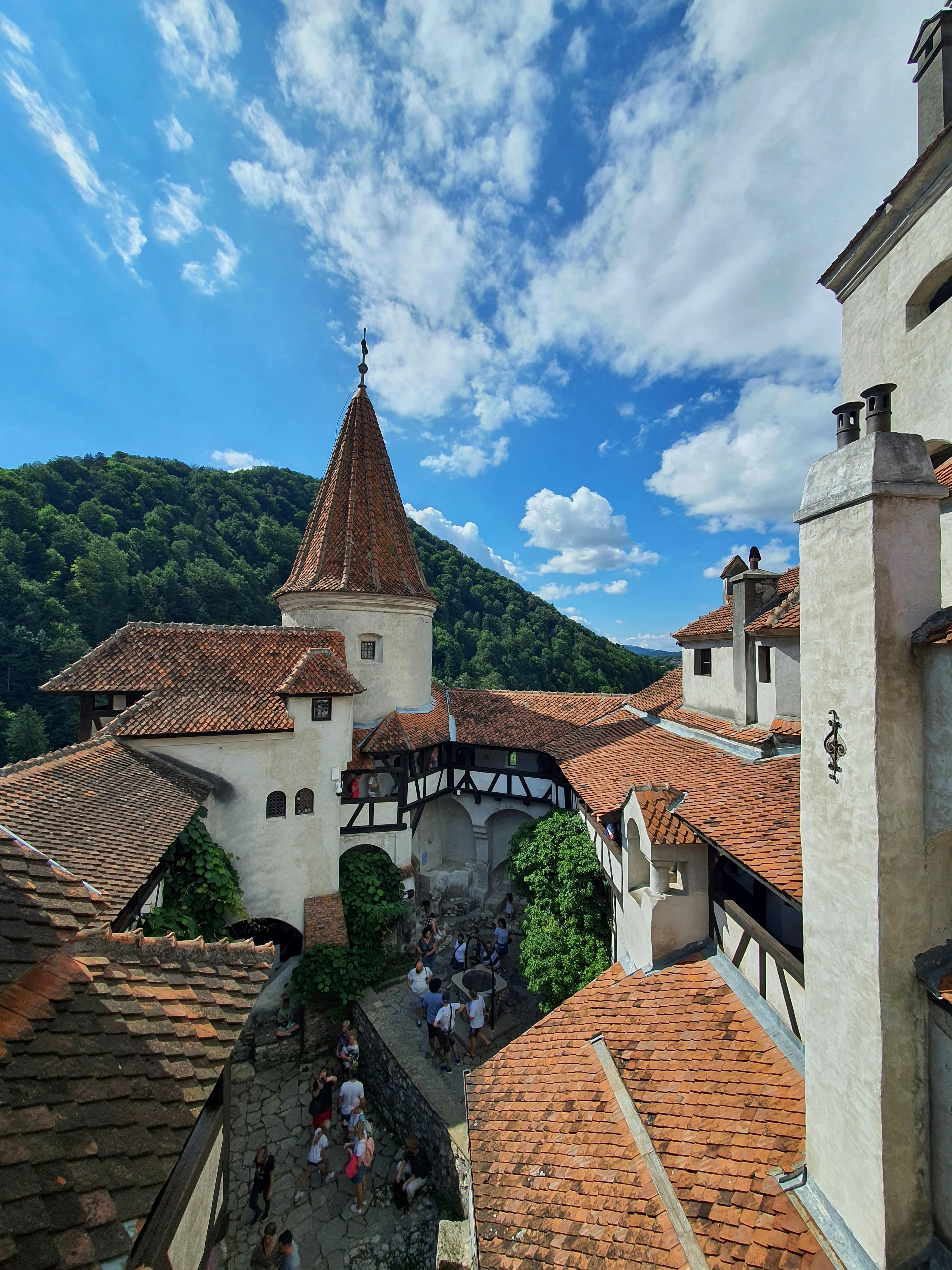
The "Dracula Castle." Perched on a cliff, this Gothic fortress offers a labyrinth of secret stairs and stunning mountain views.
Trains are romantic but notoriously slow. For 2026, here is the strategy:
Romania has a Zero Tolerance policy for alcohol. 0.0% is the limit. Speed cameras are frequent in villages (look for the "Radar" signs).
For rural areas not reached by train, use Autogari.ro to find private minibus (maxitaxi) schedules. You usually pay the driver in cash.
Romania has the largest brown bear population in Europe. If hiking, stay on marked trails and make noise. Never, ever feed bears on the side of the Transfăgărășan road; it is illegal and dangerous.
In traditional markets, always check the price per kilogram. "Tourist prices" are rare but do exist in Bran and central Bucharest. Ask for a receipt (bon fiscal) for everything.
Instant travel requirements for 150+ world destinations.

Arrive Well Rested with the New Serenity 2 Sleep Mask
Designed for total darkness and uninterrupted sleep.

Customer Favorites

On-the-Go Essentials

Travel Tech

Travel Comfort

Smart Packing

Travel Made Simple
At Jetvance, we’re a Belgium-based team focused on making travel easier through smart products and useful information. We create tools that simplify the way you plan, organize, and experience your trips. Alongside our products, we provide clear and practical insights about destinations and travel in general, helping you feel more prepared wherever you go. With Jetvance, everything you need to travel smarter is in one place.