Oman Travel Guide 2026 – The Soul of Arabia

From the emerald wadis of the Al Hajar Mountains to the endless dunes of Sharqiya, experience the most authentic and peaceful corner of the Middle East.

In 2026, Oman remains the antithesis of its flashy neighbors. While others build upwards, Oman looks inward, preserving its white-washed architecture, ancient frankincense trade, and legendary hospitality. It is a land where you can wake up in a Bedouin tent, hike through limestone canyons (wadis), and end the day dining by the turquoise Arabian Sea.

Seasonal Planning

Best Times to Visit

  • Winter (October – March): The "Golden Season." Perfect weather (20-28°C) for hiking, desert camping, and exploring Muscat.
  • The Khareef (July – September): Unique to Salalah. While the rest of Arabia bakes, Salalah turns lush green with monsoon mists.
  • Turtle Season (May – August): The best time to see Green Turtles nesting at Ras Al Jinz.
  • Rose Harvest (April): Witness the blooming of damask roses on Jebel Akhdar for traditional rosewater production.

Climate Note

Summer in the interior can exceed 45°C. In 2026, if traveling during summer, stick to the "Two Peaks"—Jebel Akhdar and Jebel Shams—where the altitude keeps temperatures a pleasant 25°C.

Nature & Wild Landscapes

Wadis and Dunes

Oman is a geological playground. Its landscapes are raw, ancient, and largely accessible for those with a 4x4.

  • Wadi Bani Khalid: A natural oasis with large pools of emerald green water that flow all year round, surrounded by palm groves.
  • Wahiba Sands (Sharqiya): Massive longitudinal dunes stretching as far as the eye can see. Home to authentic Bedouin camps.
  • The Empty Quarter: The world's largest sand desert. Only for experienced adventurers with guides in 2026.
  • Bimmah Sinkhole: A stunning limestone bowl filled with turquoise salt water, perfect for a refreshing dip between Muscat and Sur.
  • Musandam Fjords: Often called the "Norway of Arabia." Towering cliffs drop into the sea, best explored via a traditional wooden Dhow.
  • Sugar Dunes (Al Khaluf): Rare, blindingly white sand dunes that meet the blue ocean. A photographer's dream.

6 Must-Visit Destinations

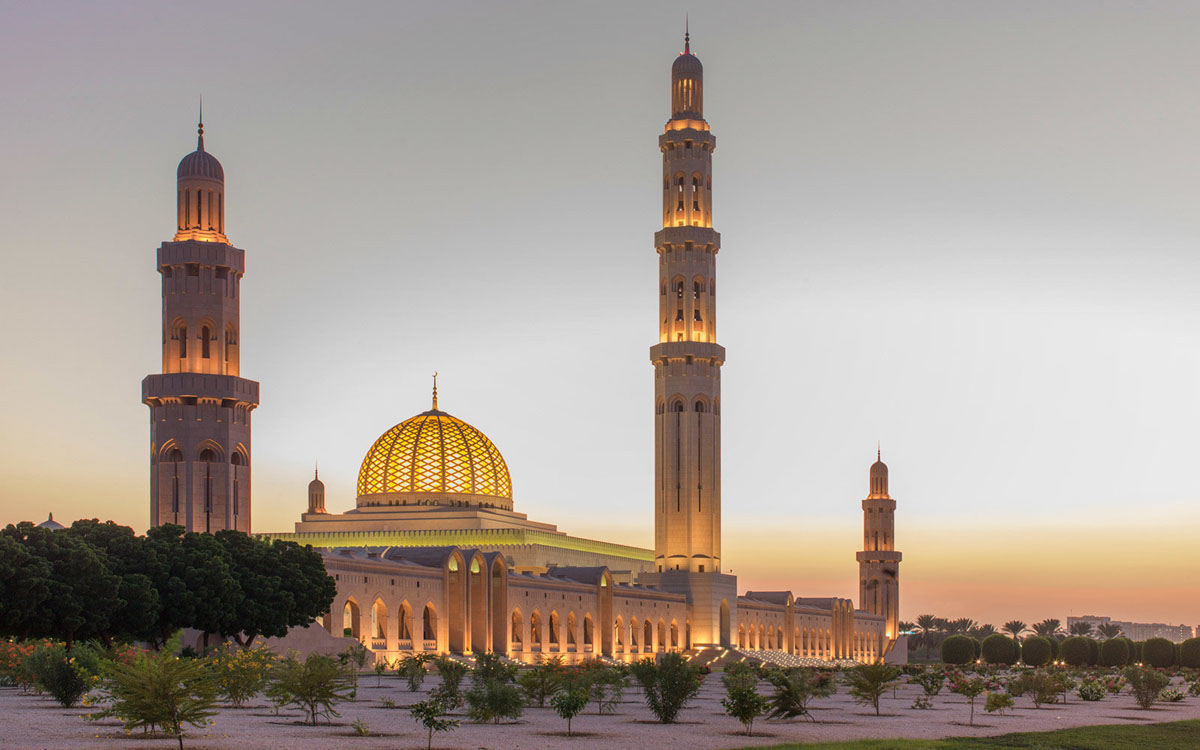
Muscat Mosque

Sultan Qaboos Mosque

Muscat's crown jewel. A masterpiece of modern Islamic architecture featuring a massive Persian carpet and Swarovski chandelier.

Nizwa Fort

Nizwa & The Fort

The cultural heart. Visit the Friday Goat Market for an authentic look at Omani life and explore the 17th-century circular fort.

Jebel Akhdar

Jebel Akhdar

The "Green Mountain." Famous for terraced gardens, pomegranate orchards, and the world's most spectacular luxury canyon resorts.

Mutrah Souq

Mutrah Souq

One of the oldest marketplaces in the Arab world. Wander through alleys scented with frankincense, sandalwood, and oud.

Salalah

Salalah & Dhofar

The Land of Frankincense. Visit ancient ruins, banana plantations, and coconut groves along the southern coast.

Jebel Shams

Jebel Shams

The Sun Mountain. Home to the "Grand Canyon of Arabia." The 'Balcony Walk' hike offers views over a 1km deep abyss.

Master Logistics & Transport

First Mile: Airport to City Center

Muscat International (MCT) is approximately 30km from the Mutrah/Corniche area. Here is how to navigate your arrival:

  • Otaxi (Best Value): Download the Otaxi app before landing. It is the local equivalent of Uber/Grab. Rides to the center cost roughly 7–10 OMR ($18–26) and are much cheaper than street taxis.
  • Mwasalat Bus (Line A1): The most economical choice. Clean, air-conditioned buses run 24/7 every 30 minutes from the airport to Ruwi Bus Station. Price: 1 OMR ($2.60).
  • Official Airport Taxis: These white and blue cars are parked right outside Arrivals. They use a meter but generally start at a higher base rate (approx. 12-15 OMR to the city center).
  • Car Rental Pickup: All major global brands have desks in the Arrivals hall. Car collection is just a 5-minute walk from the terminal via a covered walkway.

The 4x4 Requirement

Oman is best explored by road. Public transport is limited to Mwasalat buses between major cities.

  • Car Rental: Essential. A 4x4 is required for Jebel Akhdar (police checkpoints check this) and for entering the desert.
  • Driving Safety: Roads are pristine and world-class. Watch out for wandering camels in the desert and mountain goats in the canyons.
  • Internal Flights: Oman Air and SalamAir connect Muscat to Salalah (1.5 hours) and Duqm.
  • Apps: Use Otaxi or Marhaba for reliable and regulated taxi services in Muscat.

Fuel & Navigation

Fuel is incredibly cheap (approx. $0.65/liter). Download Waze or Google Maps offline, as desert signal can be spotty.

Entry Requirements

In 2026, many nationalities get 14 days visa-free. For longer stays, apply for an E-Visa via the Royal Oman Police portal.

Food & Omani Etiquette

Traditional Tastes

Omani cuisine is a fragrant blend of Arabic spices, Indian influences, and African coastal flavors.

  • Shuwa: The national dish. Lamb or goat marinated in spices, wrapped in banana leaves, and slow-cooked in an underground pit for 24-48 hours.
  • Majboos: Spiced rice served with meat or fish, similar to Biryani but with a distinct Omani spice blend.
  • Kahwa: Omani coffee served with cardamom. It is always accompanied by dates and is the ultimate sign of welcome.
  • Omani Halwa: A sweet, gelatinous treat made from sugar, rosewater, saffron, and nuts. Best enjoyed fresh from a souq.

Dress Code

Oman is conservative. Men and women should cover shoulders and knees in public. When entering mosques, women must cover their heads and wear long sleeves/trousers.

Respect

Omanis are incredibly polite. Avoid loud behavior or public displays of affection. During Ramadan, eating or drinking in public during daylight is prohibited.

Safety & Budget 2026

Daily Budget (OMR)

*Fixed Exchange: 1 OMR ≈ 2.60 USD (High value currency!)

Budget (Camping/Local Food) 15 – 25 OMR
Mid-Range (4x4 Rental/Hotels) 50 – 80 OMR
Luxury (Canyon Resorts) 150+ OMR

Health & Safety

  • Global Peace: Oman is consistently ranked as one of the safest countries in the world. Street crime is virtually non-existent.
  • Flash Floods: The biggest natural danger. Never camp in a dry wadi bed if rain is forecast anywhere nearby; they fill up in seconds.
  • Sun Safety: The Arabian sun is intense. High-SPF sunscreen and staying hydrated with electrolyte-rich water is a must.
  • Hospitality: It is common for locals to offer you tea. Accepting a cup is polite; shaking your cup side-to-side means you've had enough.

Global Visa Explorer 2026 LIVE

Instant travel requirements for 150+ world destinations.

STATUS

Travel Info

DURATION -
IMPORTANT INFO Select countries to view 2026 travel details.

Frequently asked questions

about France

Do I need to speak French to travel comfortably in France?

Not necessarily, but it helps more than people expect. In cities like Paris, many people speak English, especially in hotels, restaurants, and tourist areas. However, starting with a simple “Bonjour” before switching to English is considered polite and often results in friendlier service. You do not need fluency, just a small effort makes a noticeable difference.

How exactly do metro and bus tickets work in Paris?

In Paris, the old paper tickets are called “Ticket t+”, but they are being phased out. The easiest option now is the Navigo Easy card, a small reusable card that you load with tickets. You can also use the Île-de-France Mobilités app to store tickets digitally on your phone. Important detail, you must validate your ticket at entry and keep it until you exit, as random checks do happen.

Can I just tap my credit card to enter the metro or bus?

Sometimes, but not everywhere yet. Paris is slowly rolling out contactless tap systems, but it is not fully universal like in London. In many stations, you cannot rely on tapping your bank card directly. Instead, you load tickets onto a Navigo Easy card or your phone. Contactless payment does work at ticket machines, so you can quickly buy tickets using Visa or Mastercard.

Which payment methods are actually accepted in France?

Most places accept Visa and Mastercard without any issues, including contactless payments. Apple Pay and Google Pay are also widely supported. However, American Express is less consistently accepted, especially in smaller shops or cafés. Carrying a small amount of cash is still useful, but for most travelers, card payments cover almost everything.

What is better in France, Uber or regular taxis?

Uber works very well in cities like Paris and is usually cheaper and easier to use than traditional taxis. You get upfront pricing, in app payment, and live tracking. Regular taxis can still be useful, especially from taxi stands or airports, but pricing can vary more. Most travelers default to Uber for convenience and predictability.

What is the best way to get from the airport into the city?

From the main Paris airport, the most common option is the RER B train, which connects directly to the city center and is both fast and affordable. Tickets can be bought at machines using card or cash. Uber and taxis are available, but they are significantly more expensive. A lot of travelers choose train for daytime arrival and Uber if arriving late at night or with heavy luggage.

Arrive Well Rested with the New Serenity 2 Sleep Mask

Designed for total darkness and uninterrupted sleep.

Shop now
Customer Favorites
Customer Favorites

Customer Favorites

On-the-Go Essentials

On-the-Go Essentials

Tech for Travel
Tech for Travel

Tech for Travel

Travel Comfort
Travel Comfort

Travel Comfort

Smart Packing
Smart Packing

Smart Packing

Travel Made Simple

At Jetvance, we’re a Belgium-based team focused on making travel easier through smart products and useful information. We create tools that simplify the way you plan, organize, and experience your trips. Alongside our products, we provide clear and practical insights about destinations and travel in general, helping you feel more prepared wherever you go. With Jetvance, everything you need to travel smarter is in one place.

Check Out Our Products