
Lebanon Travel Guide 2026 – Beirut & Travel

Discover Mediterranean charm, Phoenician ruins, and a legendary culinary soul. Experience the "Paris of the Middle East" in 2026.

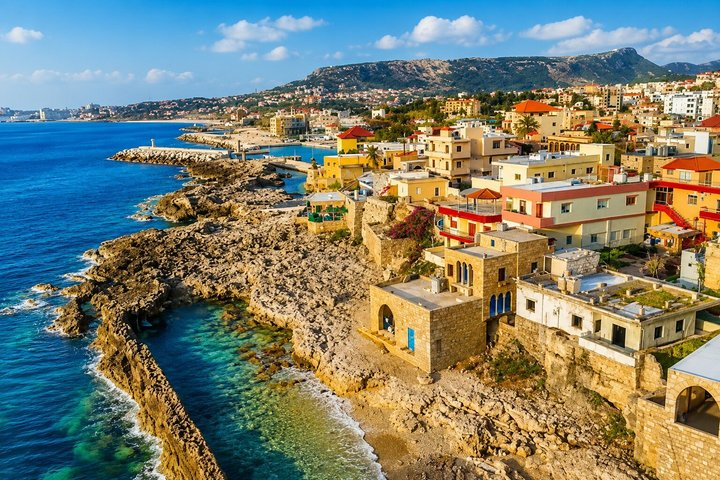
Lebanon is a country of breathtaking contrasts, where you can ski on snowy peaks in the morning and swim in the Mediterranean by the afternoon. In 2026, Lebanon remains the cultural heartbeat of the Levant—a place where ancient Roman temples stand alongside avant-garde nightlife. Despite its small size, it offers a dense richness of experience: world-renowned gastronomy, vibrant souks, and a spirit of hospitality that is truly unparalleled.

Seasonal Planning

Peak Windows

  • Spring (April–June): The "sweet spot." Ideal for hiking the Lebanon Mountain Trail and visiting ruins without the summer heat.
  • Summer (July–August): Beach club season. Beirut is at its most vibrant with festivals and rooftop parties, though it is hot and humid.
  • Autumn (Sept–Nov): Perfect for the harvest season in the Bekaa Valley wineries and exploring mountain villages.
  • Winter (Jan–March): Ski season in Mzaar or Cedars. Lebanon is one of the few places in the Middle East where you can experience a true winter alpine vibe.

The Landscape

Lebanon’s geography is its greatest asset. The narrow coastal plain quickly rises into the Mount Lebanon range. This means you are never more than 90 minutes from a completely different climate. In 2026, eco-tourism in the Shouf Biosphere Reserve is a must-do for those looking to see the majestic, ancient Lebanon Cedar trees.

6 Must-Visit Destinations

Beirut

Beirut

The resilient capital. Visit the Corniche at sunset, explore the Gemmayzeh nightlife, and see the National Museum.

Byblos

Byblos (Jbeil)

One of the oldest continuously inhabited cities in the world. Features a Crusader castle and a charming old harbor.

Baalbek

Baalbek

The "Sun City." Home to some of the largest and best-preserved Roman temples on earth, including the Temple of Bacchus.

Batroun

Batroun

A coastal gem famous for its Phoenician wall, boutique breweries, and fresh lemonade.

Jeita Grotto

Jeita Grotto

An incredible system of interconnected limestone caves. One of the world's most spectacular natural wonders.

Qadisha Valley

Qadisha Valley

The "Holy Valley." A UNESCO site filled with ancient monasteries carved directly into the rock face.

Master Logistics & Transport

Getting Around in 2026

  • Beirut Intl (BEY):
    • Bolt / Uber: The most reliable and transparent way to get to the city center.
    • Taxis: Only use official "Airport Taxis" or pre-booked private transfers. Always negotiate the price beforehand if not using an app.

Car Rentals & Drivers

Driving in Lebanon is chaotic and not for the faint-hearted. Hiring a private driver for the day is a popular and affordable way to see sites like Baalbek or the Cedars without the stress of navigating local traffic.

The Currency Tip

As of 2026, the economy is highly "dollarized." Always carry fresh USD bills. While Lebanese Pounds are used, most prices in tourist areas are listed in Dollars. Credit cards are accepted in high-end venues but cash is still king.

Cultural Etiquette & Safety

Social Liberalism

Beirut is incredibly liberal compared to the region. Fashion and nightlife are central to the culture. However, when visiting religious sites or rural villages, dressing more modestly is appreciated.

Hospitality

If a local invites you for coffee or a meal, it is a genuine gesture of hospitality. It is polite to accept, and bringing a small gift of sweets (like Baklawa) is always a classy move.

Costs & Gastronomy

Daily Budget (USD)

Budget (Street Food & Hostels) $40 – $60
Mid-Range (Boutique Hotels) $120 – $200
Luxury Resorts $350+

Food Essentials

  • Mezza: The legendary spread of small plates (Hummus, Moutabal, Tabbouleh, Kibbeh).
  • Manakish: The ultimate Lebanese breakfast—flatbread topped with Za'atar or cheese.
  • Wine Culture: Lebanon is home to some of the world's oldest vineyards. Be sure to try a glass of Chateau Musar or Ksara.

Global Visa Explorer 2026 LIVE

Instant travel requirements for 150+ world destinations.

➔
STATUS

Travel Info

DURATION -
IMPORTANT INFO Select countries to view 2026 travel details.

Frequently asked questions

about France

Do I need to speak French to travel comfortably in France?

Not necessarily, but it helps more than people expect. In cities like Paris, many people speak English, especially in hotels, restaurants, and tourist areas. However, starting with a simple “Bonjour” before switching to English is considered polite and often results in friendlier service. You do not need fluency, just a small effort makes a noticeable difference.

How exactly do metro and bus tickets work in Paris?

In Paris, the old paper tickets are called “Ticket t+”, but they are being phased out. The easiest option now is the Navigo Easy card, a small reusable card that you load with tickets. You can also use the Île-de-France Mobilités app to store tickets digitally on your phone. Important detail, you must validate your ticket at entry and keep it until you exit, as random checks do happen.

Can I just tap my credit card to enter the metro or bus?

Sometimes, but not everywhere yet. Paris is slowly rolling out contactless tap systems, but it is not fully universal like in London. In many stations, you cannot rely on tapping your bank card directly. Instead, you load tickets onto a Navigo Easy card or your phone. Contactless payment does work at ticket machines, so you can quickly buy tickets using Visa or Mastercard.

Which payment methods are actually accepted in France?

Most places accept Visa and Mastercard without any issues, including contactless payments. Apple Pay and Google Pay are also widely supported. However, American Express is less consistently accepted, especially in smaller shops or cafés. Carrying a small amount of cash is still useful, but for most travelers, card payments cover almost everything.

What is better in France, Uber or regular taxis?

Uber works very well in cities like Paris and is usually cheaper and easier to use than traditional taxis. You get upfront pricing, in app payment, and live tracking. Regular taxis can still be useful, especially from taxi stands or airports, but pricing can vary more. Most travelers default to Uber for convenience and predictability.

What is the best way to get from the airport into the city?

From the main Paris airport, the most common option is the RER B train, which connects directly to the city center and is both fast and affordable. Tickets can be bought at machines using card or cash. Uber and taxis are available, but they are significantly more expensive. A lot of travelers choose train for daytime arrival and Uber if arriving late at night or with heavy luggage.

Arrive Well Rested with the New Serenity 2 Sleep Mask

Designed for total darkness and uninterrupted sleep.

Shop now
Customer Favorites
Customer Favorites

Customer Favorites

On-the-Go Essentials

On-the-Go Essentials

Travel Tech
Travel Tech

Travel Tech

Travel Comfort
Travel Comfort

Travel Comfort

Smart Packing
Smart Packing

Smart Packing

Travel Made Simple

At Jetvance, we’re a Belgium-based team focused on making travel easier through smart products and useful information. We create tools that simplify the way you plan, organize, and experience your trips. Alongside our products, we provide clear and practical insights about destinations and travel in general, helping you feel more prepared wherever you go. With Jetvance, everything you need to travel smarter is in one place.

Check Out Our Products