Uzbekistan Travel Guide 2026 – Silk Road & Architecture

Travel the Silk Road through Samarkand and Bukhara, exploring stunning turquoise-domed architecture, vibrant bazaars, and legendary hospitality in 2026.

Uzbekistan is the crown jewel of Central Asia. In 2026, the country continues its rapid transformation into a premier global destination, offering world-class high-speed rail connectivity between 2,500-year-old cities. From the awe-inspiring Registan Square to the intricate tilework of Khiva, Uzbekistan is a living museum where the legacies of Tamerlane and the Silk Road traders meet modern Uzbek culture.

Seasonal Planning

The Best Timing

  • Spring (April–June): The most beautiful time. The desert blooms, and temperatures are perfect for sightseeing and festivals.
  • Autumn (September–Early Nov): The harvest season. Markets are overflowing with famous Uzbek melons, and the weather is crisp and clear.
  • Winter (Dec–Feb): Cold but magical. Fewer tourists mean you can have the grand monuments of Samarkand to yourself. Good for skiing in the Chimgan mountains.
  • Summer (July–August): Extremely hot (the 'Chilla'). Only recommended for mountain trekking or if you can handle 40°C+ heat.

Culture & Cuisine

You cannot visit Uzbekistan without experiencing Plov—the national dish. Every region has its own recipe. In 2026, food tourism is booming, with culinary workshops available in Tashkent and Samarkand.

Geography & Regional Diversity

Landscapes of the Silk Road

Uzbekistan is a doubly landlocked country featuring vast deserts, fertile valleys, and soaring mountain ranges.

The Kyzylkum Desert

The "Red Sand" desert that covers much of the west. Home to yurt camps near Aydarkul Lake and the ancient fortresses of Karakalpakstan.

The Fergana Valley

The agricultural heartland in the east, famous for silk production in Margilan and exquisite ceramics in Rishtan.

The Tien Shan Mountains

Located near Tashkent, offering alpine lakes, hiking trails, and the modern resorts of Amirsoy.

The Oasis Cities

The central corridor where Samarkand, Bukhara, and Khiva sit as brilliant monuments to ancient trade.

Top Destinations

Samarkand

Samarkand

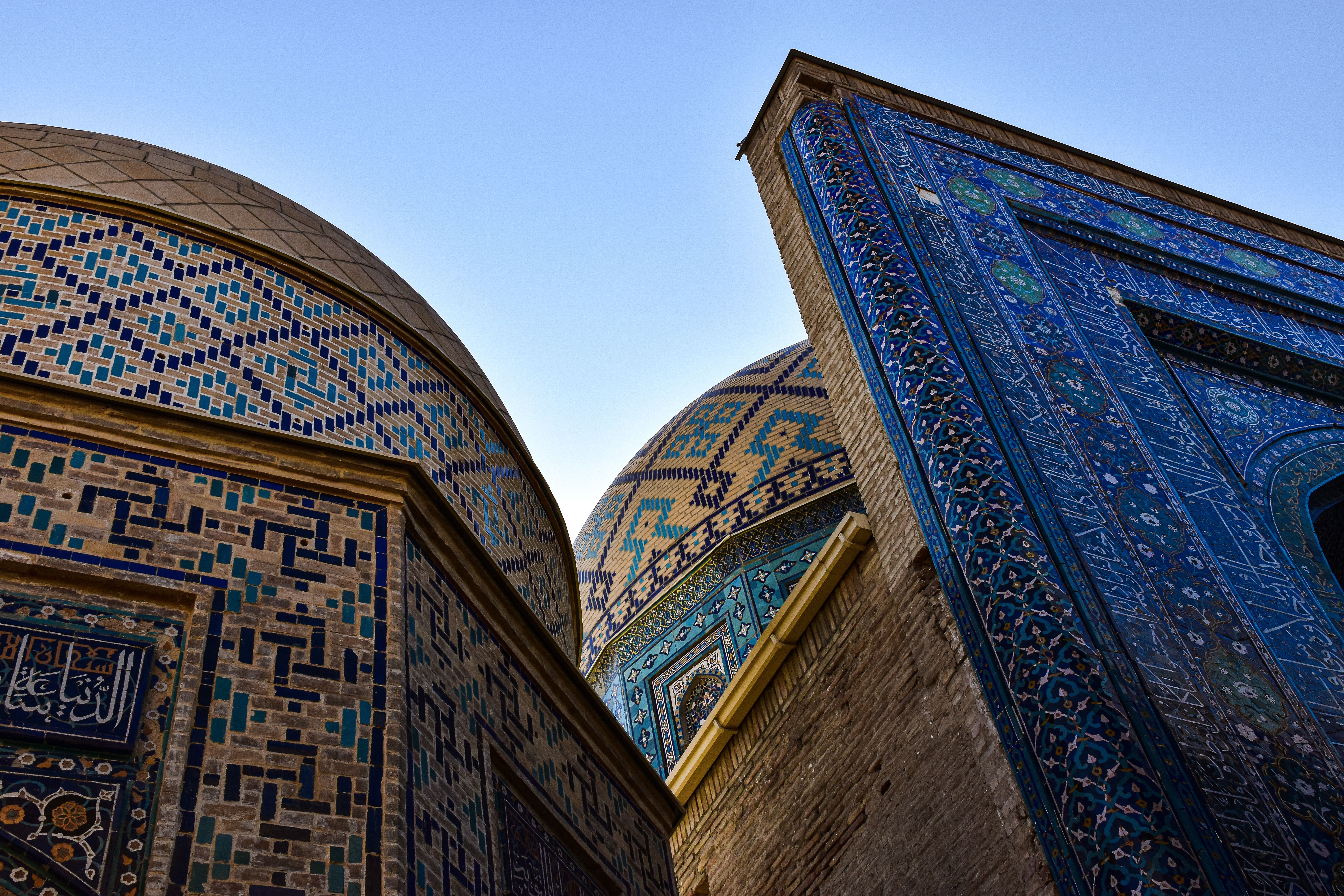
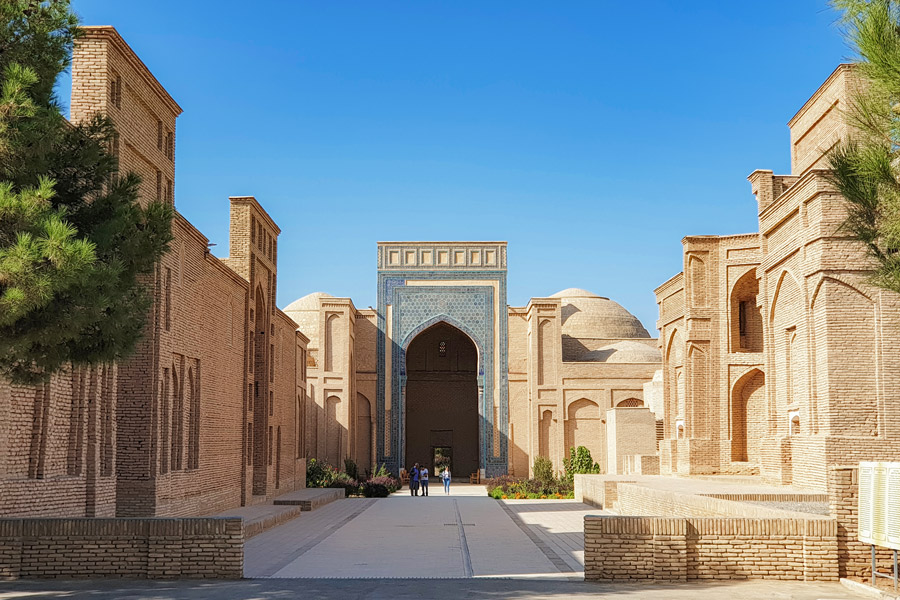
The "Crossroads of Culture". Home to the Registan, Shah-i-Zinda, and the Gur-e-Amir mausoleum.

Bukhara

Bukhara

An open-air museum with over 2,000 years of history. Don't miss the Kalon Minaret and the Ark Fortress.

Khiva

Khiva

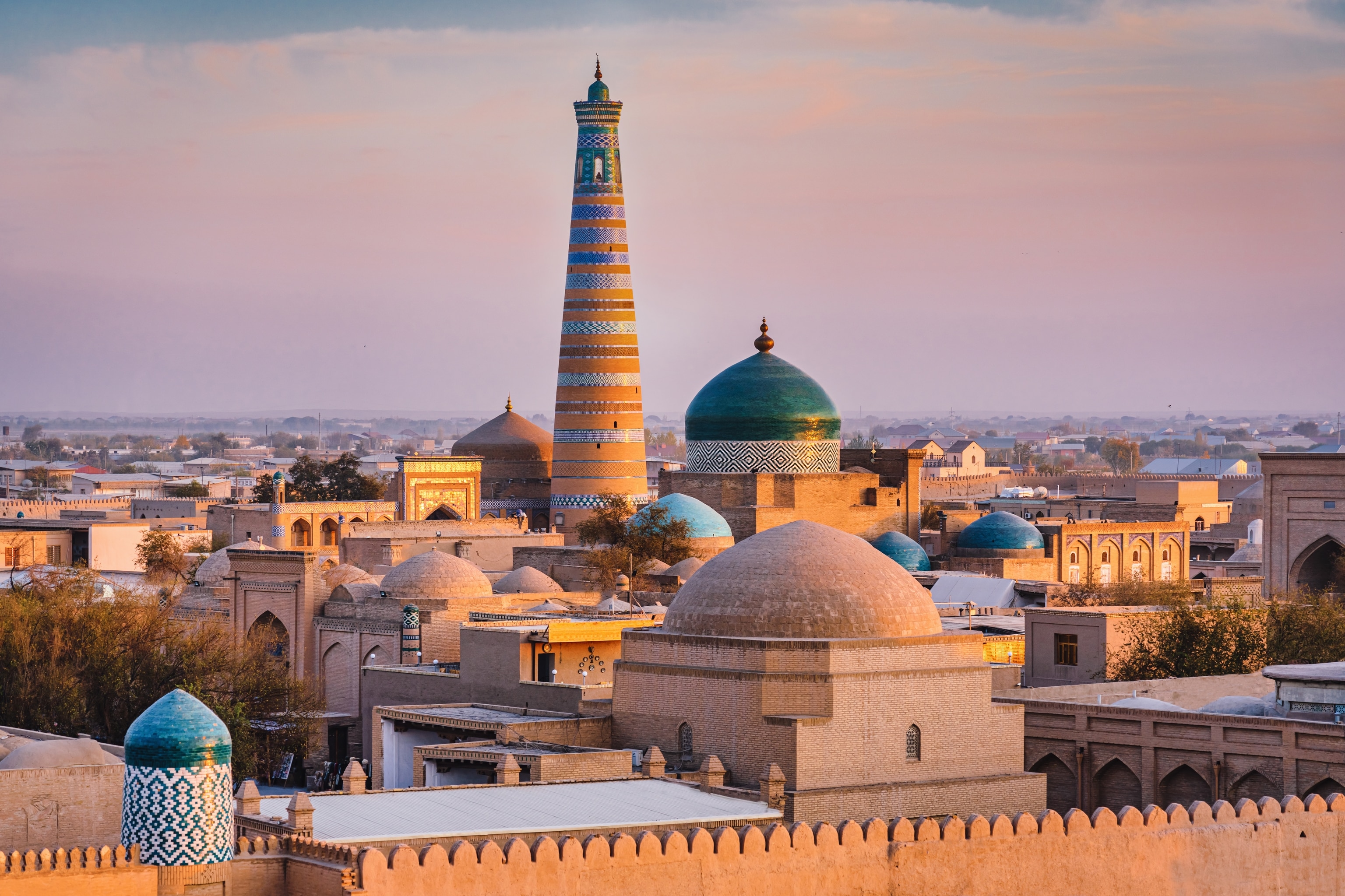
The perfectly preserved inner city of Itchan Kala. A fairy-tale maze of mud-brick walls and blue tiles.

Nukus

Nukus

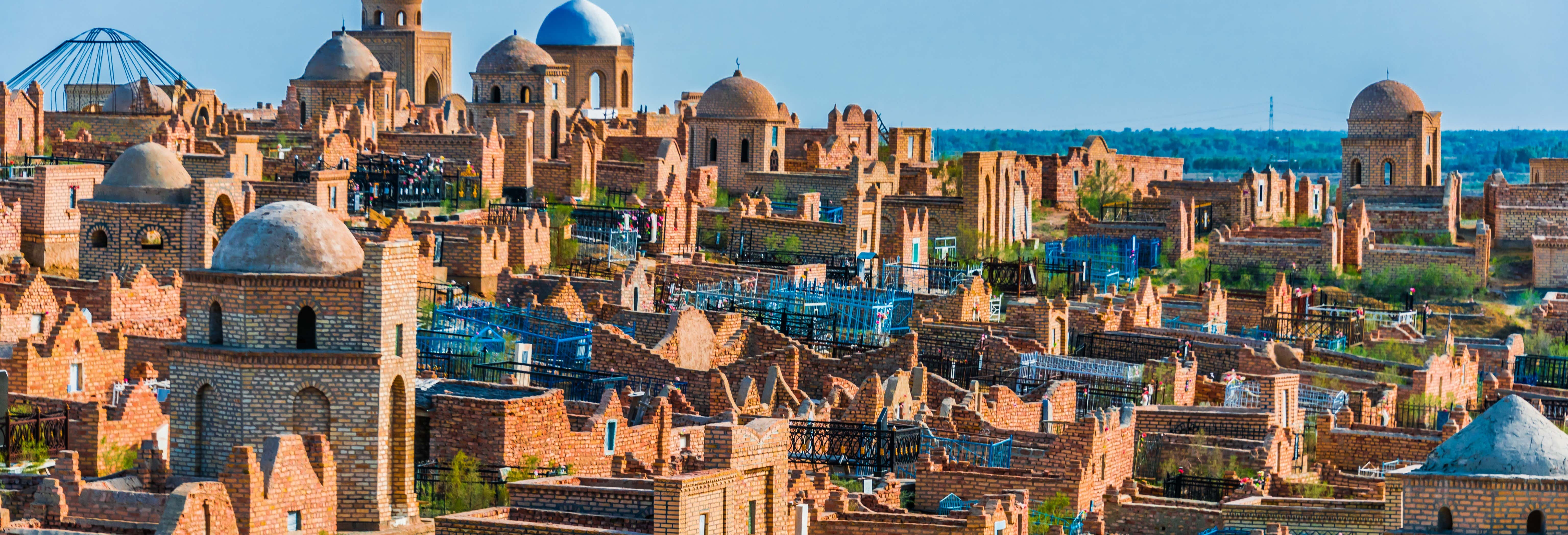
The gateway to the Aral Sea ship graveyard and home to the world-renowned Savitsky Avant-Garde Art Museum.

Termez

Termez

The southernmost point, rich with Buddhist archaeological sites and early Islamic history.

Transport & Logistics

The Afrosiyob High-Speed Rail

By 2026, the high-speed rail network has expanded significantly, making travel between major cities efficient and comfortable.

Rail & Metro

The best way to traverse the Silk Road corridor.

  • Booking: Afrosiyob tickets sell out weeks in advance; book via the official 'UzRailways' app early.
  • Tashkent Metro: Beautiful, cheap, and the fastest way to get around the capital.

Taxis & Shared Cars

For routes not covered by rail (like Khiva to Bukhara or Nukus).

  • Yandex Go: The essential app for taxis in cities. Prices are transparent and very low.
  • Shared Taxis: A local experience for long-distance travel between smaller towns.

Currency & Payments

  • Uzbek Som (UZS): The official currency. You will handle large numbers (millions).
  • ATMs: Widely available in major cities in 2026. Most accept Visa and Mastercard.
  • Card vs Cash: While cards are accepted in high-end hotels and restaurants, cash is still essential for bazaars and small shops.

Safety & Entry

Visa-Free Travel

As of 2026, citizens of over 90 countries (including EU, UK, Canada, and many Asian nations) can enter Uzbekistan visa-free for up to 30 days.

Travel Safety

Uzbekistan is exceptionally safe for solo and female travelers. The 'Tourist Police' are visible in all major heritage areas and are very helpful.

Costs & Budgeting

Daily Budget (USD)

Backpacker / Budget $25 – $40
Mid-Range Comfort $60 – $110
Luxury / Boutique $200+

Connectivity & Etiquette

  • SIM Cards: Available at the airport (Ucell, Mobiuz, Beeline). Data is extremely cheap.
  • Respect: Dress modestly when entering active mosques. Always ask before taking photos of locals at the bazaars.

Global Visa Explorer 2026 LIVE

Instant travel requirements for 150+ world destinations.

STATUS

Travel Info

DURATION -
IMPORTANT INFO Select countries to view 2026 travel details.

Frequently asked questions

about France

Do I need to speak French to travel comfortably in France?

Not necessarily, but it helps more than people expect. In cities like Paris, many people speak English, especially in hotels, restaurants, and tourist areas. However, starting with a simple “Bonjour” before switching to English is considered polite and often results in friendlier service. You do not need fluency, just a small effort makes a noticeable difference.

How exactly do metro and bus tickets work in Paris?

In Paris, the old paper tickets are called “Ticket t+”, but they are being phased out. The easiest option now is the Navigo Easy card, a small reusable card that you load with tickets. You can also use the Île-de-France Mobilités app to store tickets digitally on your phone. Important detail, you must validate your ticket at entry and keep it until you exit, as random checks do happen.

Can I just tap my credit card to enter the metro or bus?

Sometimes, but not everywhere yet. Paris is slowly rolling out contactless tap systems, but it is not fully universal like in London. In many stations, you cannot rely on tapping your bank card directly. Instead, you load tickets onto a Navigo Easy card or your phone. Contactless payment does work at ticket machines, so you can quickly buy tickets using Visa or Mastercard.

Which payment methods are actually accepted in France?

Most places accept Visa and Mastercard without any issues, including contactless payments. Apple Pay and Google Pay are also widely supported. However, American Express is less consistently accepted, especially in smaller shops or cafés. Carrying a small amount of cash is still useful, but for most travelers, card payments cover almost everything.

What is better in France, Uber or regular taxis?

Uber works very well in cities like Paris and is usually cheaper and easier to use than traditional taxis. You get upfront pricing, in app payment, and live tracking. Regular taxis can still be useful, especially from taxi stands or airports, but pricing can vary more. Most travelers default to Uber for convenience and predictability.

What is the best way to get from the airport into the city?

From the main Paris airport, the most common option is the RER B train, which connects directly to the city center and is both fast and affordable. Tickets can be bought at machines using card or cash. Uber and taxis are available, but they are significantly more expensive. A lot of travelers choose train for daytime arrival and Uber if arriving late at night or with heavy luggage.

Arrive Well Rested with the New Serenity 2 Sleep Mask

Designed for total darkness and uninterrupted sleep.

Shop now
Customer Favorites
Customer Favorites

Customer Favorites

On-the-Go Essentials

On-the-Go Essentials

Tech for Travel
Tech for Travel

Tech for Travel

Travel Comfort
Travel Comfort

Travel Comfort

Smart Packing
Smart Packing

Smart Packing

Travel Made Simple

At Jetvance, we’re a Belgium-based team focused on making travel easier through smart products and useful information. We create tools that simplify the way you plan, organize, and experience your trips. Alongside our products, we provide clear and practical insights about destinations and travel in general, helping you feel more prepared wherever you go. With Jetvance, everything you need to travel smarter is in one place.

Check Out Our Products