Sweden Travel Guide 2026 – Nature, Cities & Northern Lights

Plan your Sweden trip with top cities, nature experiences, and Northern Lights spots. Discover the best places to visit in 2026.

Sweden is a masterclass in balance—the harmony between "Lagom" (just the right amount) and extreme beauty. In 2026, it leads the world in sustainable tourism, offering pristine forests, tens of thousands of islands, and a tech-forward society that is almost entirely cashless. Whether you are wandering the cobbled streets of Gamla Stan in Stockholm or dog-sledding under the aurora in Lapland, Sweden provides a sense of space and tranquility that is rare in the modern world. This guide details how to navigate the kingdom, from the coffee-filled afternoons to the midnight sun.

Seasonal Planning

The Best Timing

  • Midsummer (Late June): The biggest celebration of the year. The Sun barely sets, and the country is alive with flower crowns and maypoles. A peak Swedish experience.
  • Summer (July–August): Best for the archipelagos. The water is surprisingly swimmable, and the city terraces stay open until the early morning hours.
  • Autumn (September–October): Incredible colors and the official start of Northern Lights season in the north. Great for hiking the Kungsleden (King's Trail).
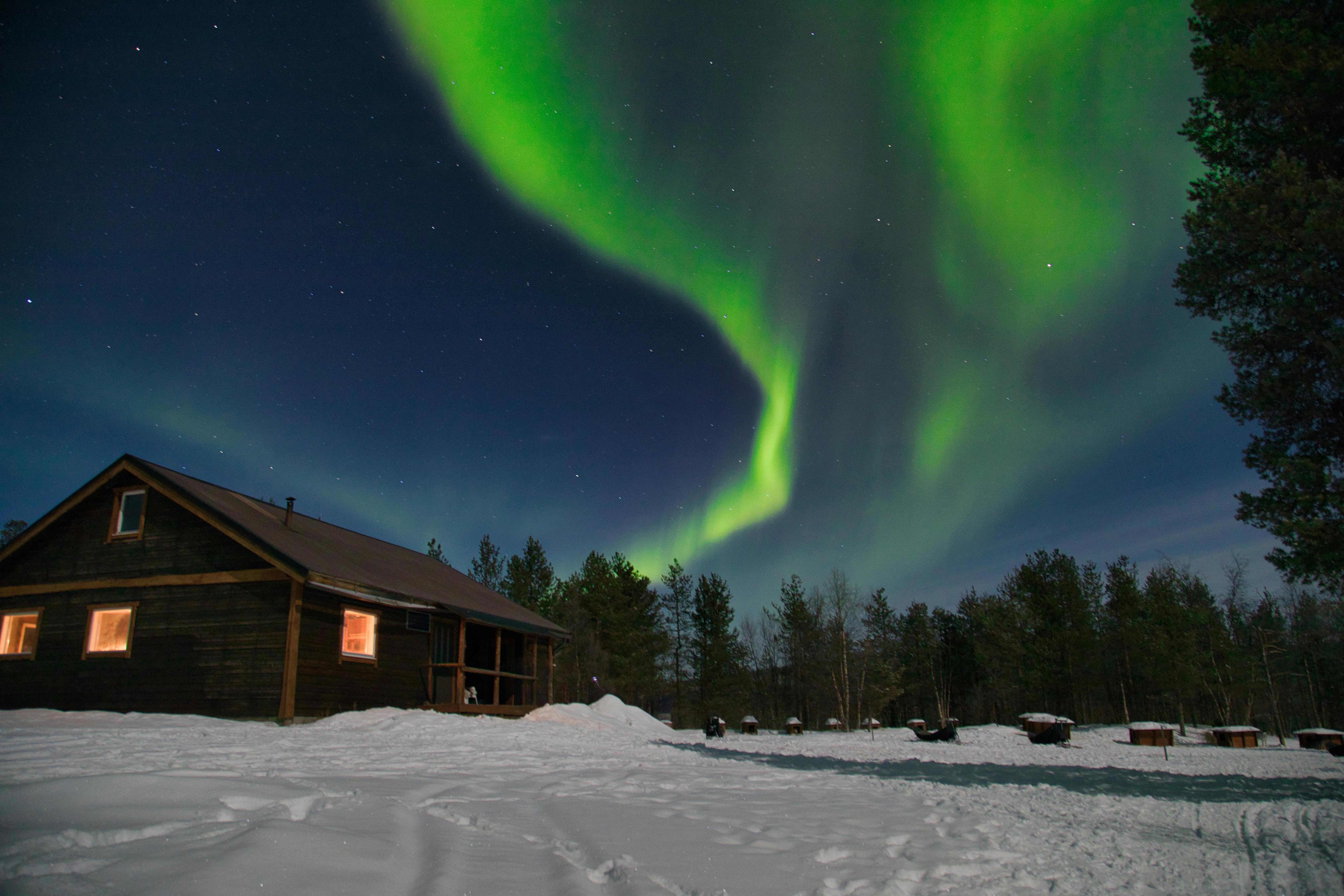
  • Winter (December–March): The true Arctic adventure. Visit for world-class skiing, ice hotels, and the best chance to see the Aurora Borealis in Abisko.

The Light Factor

In 2026, light remains the biggest influence on Swedish life. In winter, Stockholm sees only 6 hours of daylight, while the north sees none. Conversely, summer offers the Midnight Sun. This affects everything from opening hours to your sleep cycle—eye masks for summer and high-quality Vitamin D for winter are local essentials.

The Regional Divide: Urban South vs. Arctic North

From Archipelago to Tundra

Sweden is geographically massive, and the experience changes drastically as you head north. The South (Stockholm, Gothenburg, Skåne) is where the majority of the population lives. It is defined by sleek Scandinavian design, rolling farmland, and the vast archipelago of 30,000 islands. Life here is fast-paced but polite, centered around the Baltic Sea and the cultural hubs of the major cities.

The North (Norrland & Lapland) is a different world entirely. This is the land of the Sámi people, Europe’s only indigenous population. It is a region of epic proportions—vast mountain ranges, deep pine forests, and wild rivers. In 2026, it is the premier destination for eco-conscious travelers seeking the "Great Silence." Here, the rules of the city vanish, and life is dictated by the weather and the migration of reindeer. The Arctic Circle marks the boundary where the terrain becomes tundra, and the sky becomes the main attraction.

Top Destinations

Stockholm

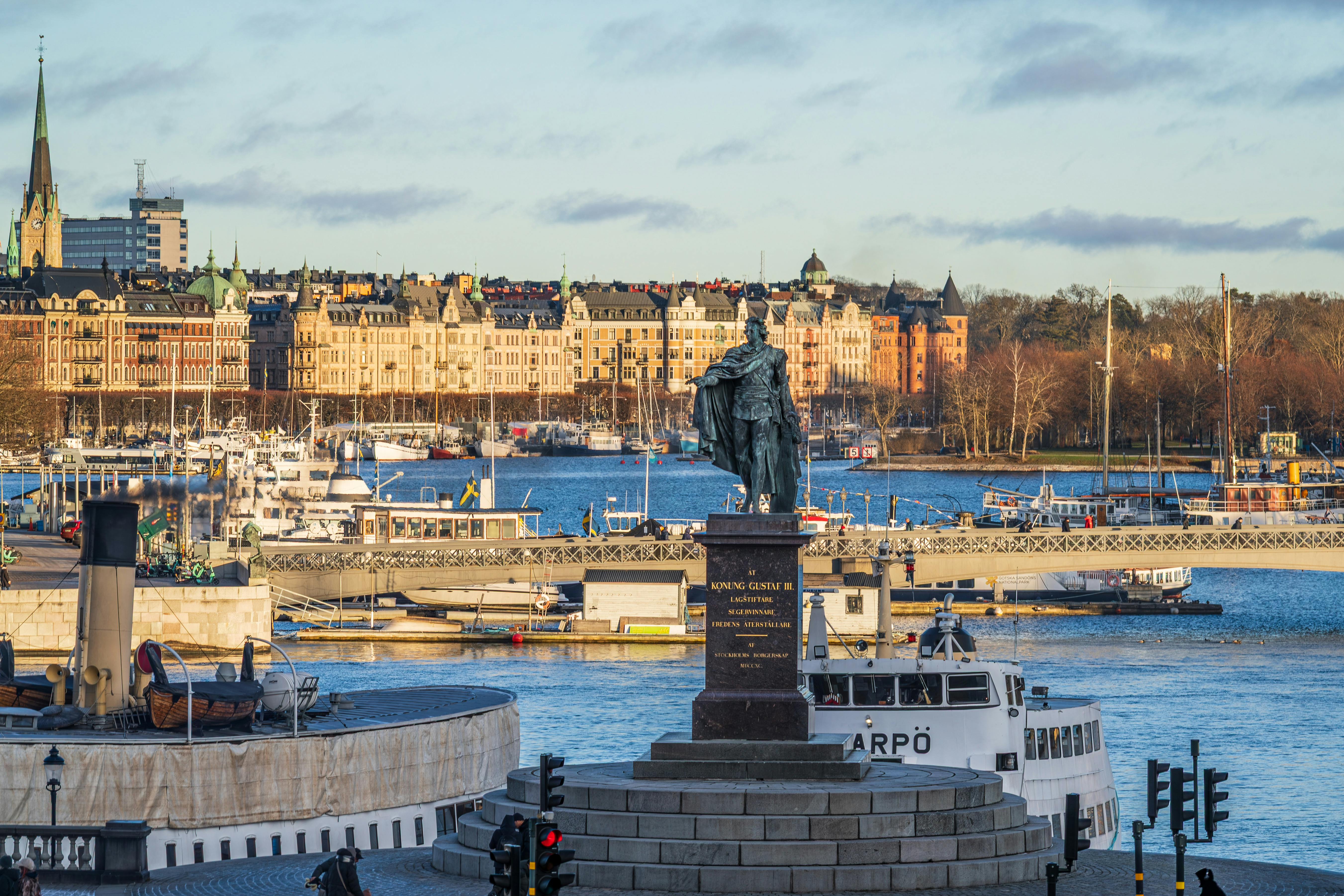
Stockholm

Spread across 14 islands. Don't miss the Vasa Museum, the ABBA Museum, and the historic alleys of Gamla Stan.

Gothenburg

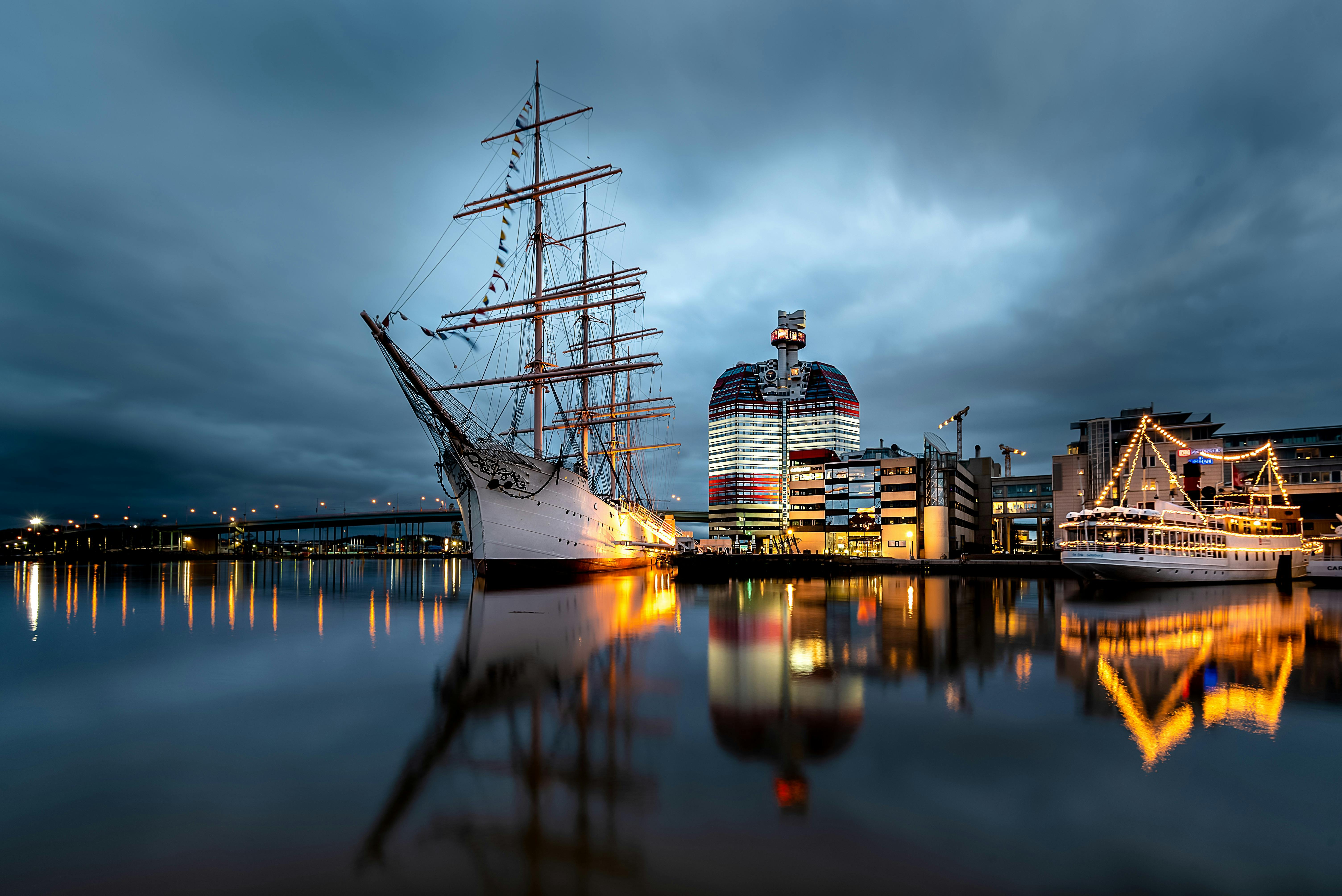
Gothenburg

The culinary capital of the west coast. Famous for its world-class seafood, craft beer scene, and the Liseberg theme park.

Kiruna/Abisko

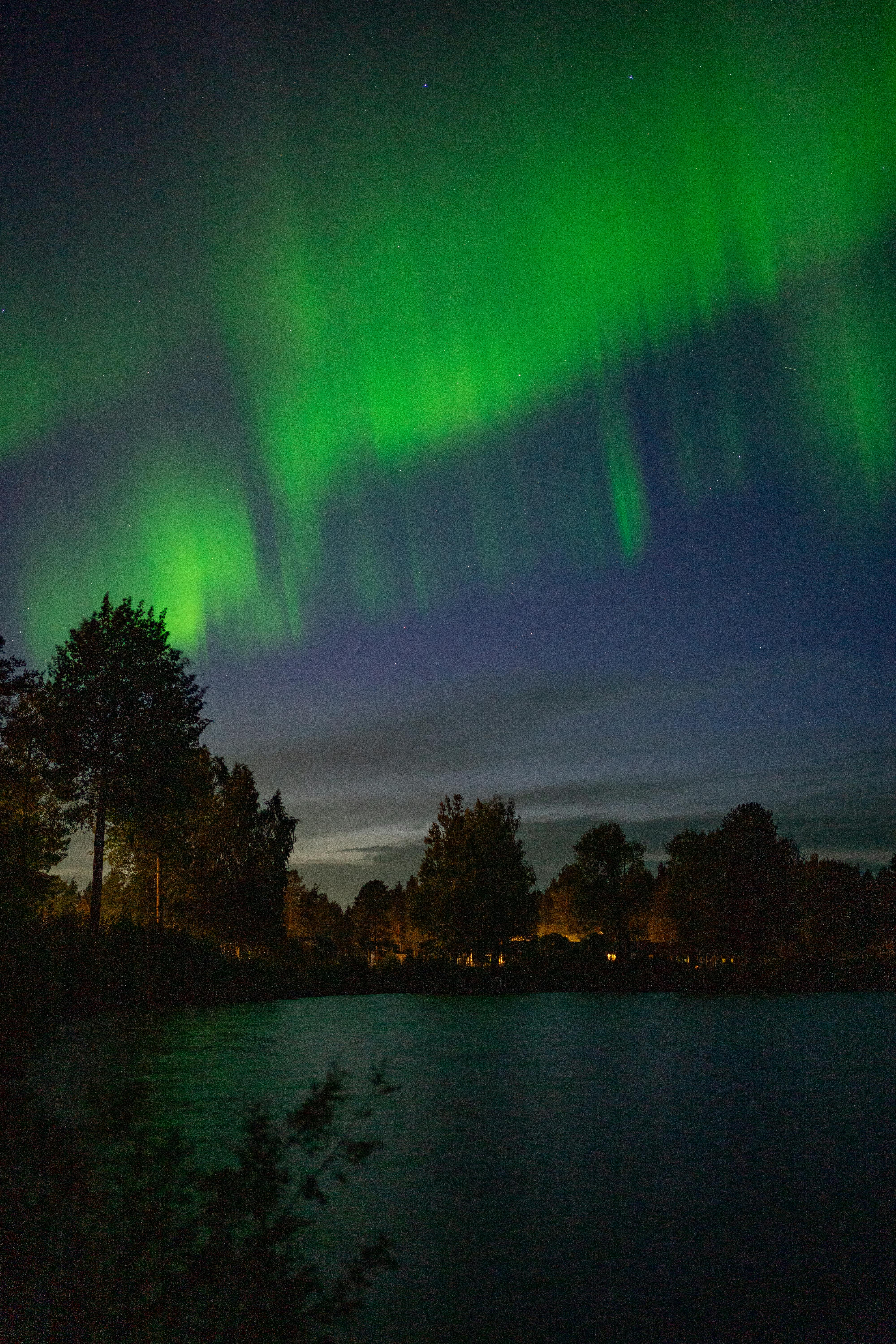
Kiruna & Abisko

The gateways to the Arctic. Home to the original IceHotel and the world's best Aurora viewing station.

Visby

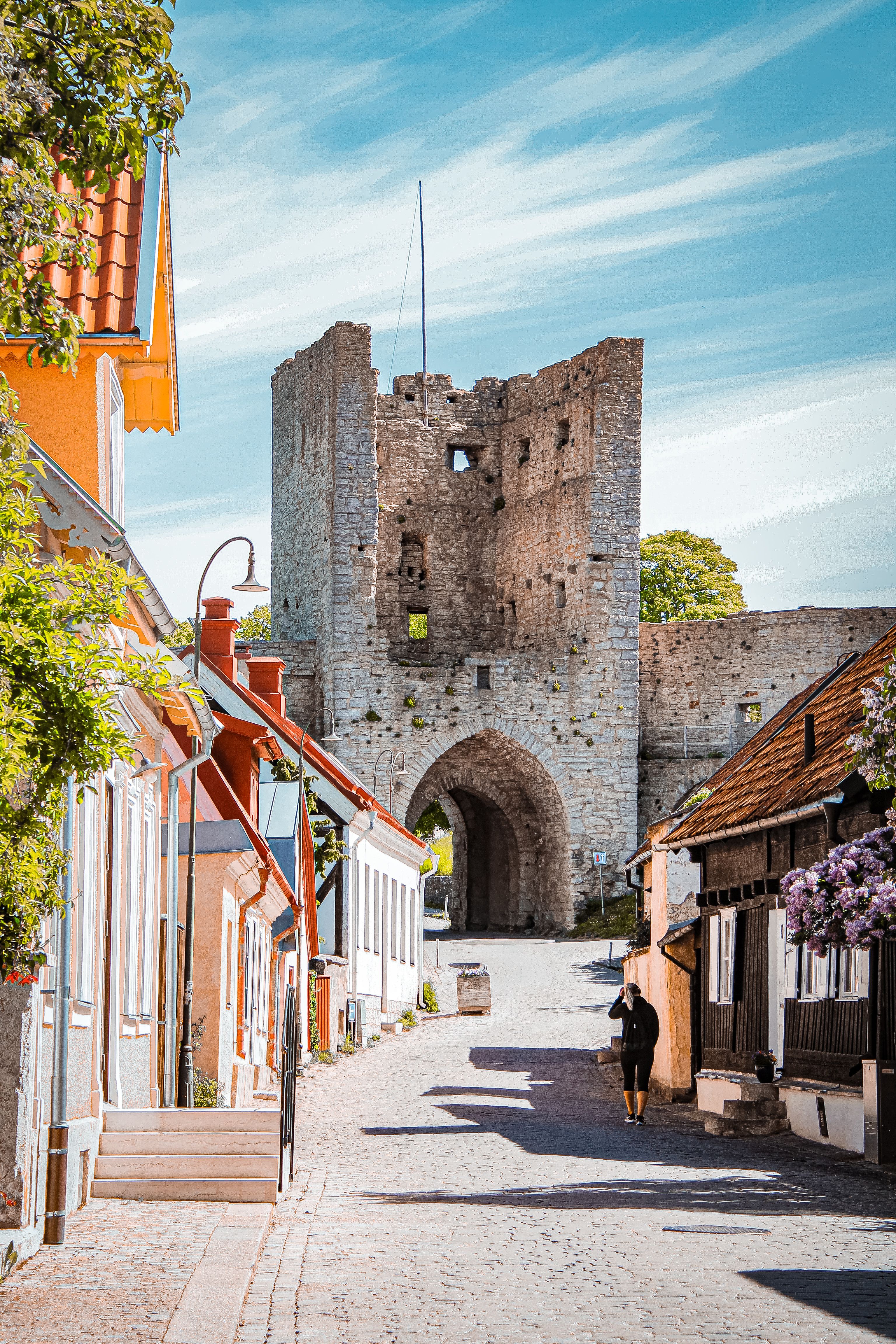
Visby (Gotland)

A perfectly preserved medieval walled town on an island in the Baltic. A UNESCO site that feels like a film set.

Malmö

Malmö

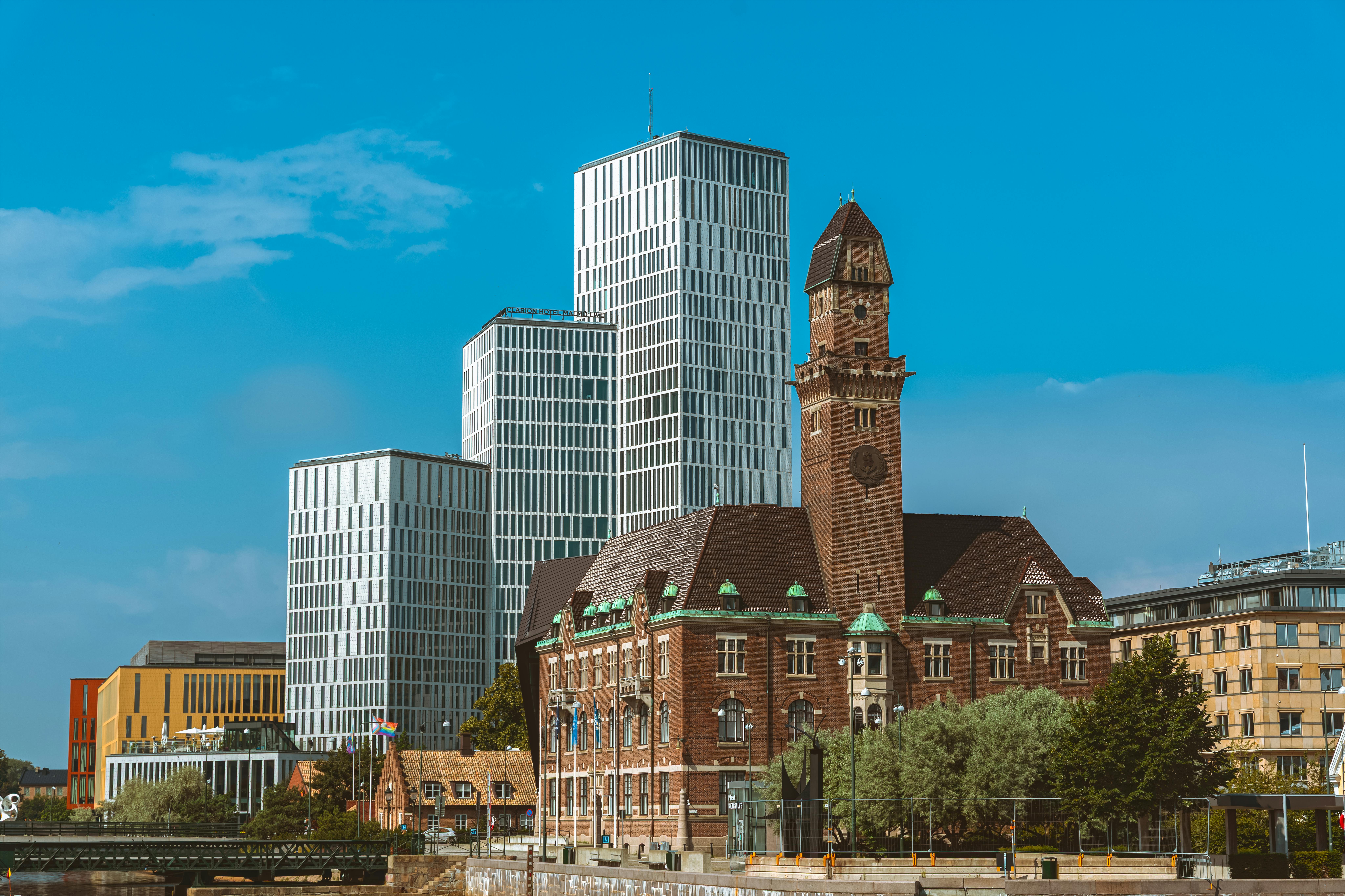
The bridge to Denmark. A multicultural, innovative city known for the "Turning Torso" skyscraper and its modern waterfront.

Swedish Lapland

Swedish Lapland

A vast wilderness of national parks. Ideal for those seeking the Kungsleden trail or a stay in a luxury treehouse.

Culture, Food & Etiquette

Fika & Lagom

Swedish culture is built on equality, punctuality, and a deep respect for nature. In 2026, social life is still anchored by Fika—the mandatory coffee and cake break that happens twice a day.

  • Don't skip Fika: It is more than a snack; it's a social institution. If an office or home invites you for fika, it is a key bonding moment.
  • Allemansrätten: The "Right of Public Access" means you can camp almost anywhere for one night and forage for berries/mushrooms, provided you "don't disturb, don't destroy."
  • Personal Space: Swedes value privacy and space. Don't sit next to someone on a bus if there are empty rows available, and always keep a respectful distance in queues.
  • Alcohol (Systembolaget): You cannot buy strong alcohol in supermarkets. You must go to the state-run "Systembolaget" stores, which have limited hours and are closed on Sundays.

Transport & Logistics

Getting Around

  • Stockholm Arlanda (ARN): The Arlanda Express train is the fastest way to the city (18 mins). For a cheaper option, take the Flygbussarna coach.
  • No Cash: Sweden is the most cashless society on Earth. Many shops, buses, and even public toilets do not accept cash. You MUST have a contactless card or Apple/Google Pay.
  • SJ Trains: The national rail network is excellent. High-speed X2000 trains connect major cities. Always book in advance on the SJ app for the best prices.
  • SL Access (Stockholm): Use your contactless bank card to tap-and-go on all Stockholm subways, buses, and ferries.

Biking

Cities like Malmö and Gothenburg are incredibly bike-friendly. In 2026, most cities have integrated electric bike-sharing schemes that can be unlocked via local transit apps.

Archipelago Ferries

In Stockholm, the Waxholmsbolaget ferries connect the city to the islands. Some routes are included in the standard SL public transport pass during the off-season.

Safety & Local Rules

Winter Safety

If driving in the north, specialized winter tires and ice-driving experience are required. In cities, sidewalks can be lethally slippery; many Swedes use "broddar" (ice grips) on their shoes during the dark months.

Nature Responsibility

Sweden takes environmental protection seriously. Littering or damaging trees can lead to heavy fines. Always use the "Leave No Trace" principle when utilizing the Allemansrätten rights.

Costs & Health Essentials

Daily Budget (SEK)

Budget / Hostel 700 – 1,100 SEK
Mid-Range Hotel 1,800 – 3,200 SEK
Luxury Boutique 4,500 – 10,000+ SEK

Entry & Health

  • ETIAS: Mandatory for non-EU citizens in 2026.
  • Ticks: If hiking in the southern forests in summer, be aware of TBE and Lyme-carrying ticks. Wear long socks.
  • Water: The tap water is among the cleanest in the world. Buying bottled water is considered an environmental faux pas.

Global Visa Explorer 2026 LIVE

Instant travel requirements for 150+ world destinations.

STATUS

Travel Info

DURATION -
IMPORTANT INFO Select countries to view 2026 travel details.

Frequently asked questions

about France

Do I need to speak French to travel comfortably in France?

Not necessarily, but it helps more than people expect. In cities like Paris, many people speak English, especially in hotels, restaurants, and tourist areas. However, starting with a simple “Bonjour” before switching to English is considered polite and often results in friendlier service. You do not need fluency, just a small effort makes a noticeable difference.

How exactly do metro and bus tickets work in Paris?

In Paris, the old paper tickets are called “Ticket t+”, but they are being phased out. The easiest option now is the Navigo Easy card, a small reusable card that you load with tickets. You can also use the Île-de-France Mobilités app to store tickets digitally on your phone. Important detail, you must validate your ticket at entry and keep it until you exit, as random checks do happen.

Can I just tap my credit card to enter the metro or bus?

Sometimes, but not everywhere yet. Paris is slowly rolling out contactless tap systems, but it is not fully universal like in London. In many stations, you cannot rely on tapping your bank card directly. Instead, you load tickets onto a Navigo Easy card or your phone. Contactless payment does work at ticket machines, so you can quickly buy tickets using Visa or Mastercard.

Which payment methods are actually accepted in France?

Most places accept Visa and Mastercard without any issues, including contactless payments. Apple Pay and Google Pay are also widely supported. However, American Express is less consistently accepted, especially in smaller shops or cafés. Carrying a small amount of cash is still useful, but for most travelers, card payments cover almost everything.

What is better in France, Uber or regular taxis?

Uber works very well in cities like Paris and is usually cheaper and easier to use than traditional taxis. You get upfront pricing, in app payment, and live tracking. Regular taxis can still be useful, especially from taxi stands or airports, but pricing can vary more. Most travelers default to Uber for convenience and predictability.

What is the best way to get from the airport into the city?

From the main Paris airport, the most common option is the RER B train, which connects directly to the city center and is both fast and affordable. Tickets can be bought at machines using card or cash. Uber and taxis are available, but they are significantly more expensive. A lot of travelers choose train for daytime arrival and Uber if arriving late at night or with heavy luggage.

Arrive Well Rested with the New Serenity 2 Sleep Mask

Designed for total darkness and uninterrupted sleep.

Shop now
Customer Favorites
Customer Favorites

Customer Favorites

On-the-Go Essentials

On-the-Go Essentials

Tech for Travel
Tech for Travel

Tech for Travel

Travel Comfort
Travel Comfort

Travel Comfort

Smart Packing
Smart Packing

Smart Packing

Travel Made Simple

At Jetvance, we’re a Belgium-based team focused on making travel easier through smart products and useful information. We create tools that simplify the way you plan, organize, and experience your trips. Alongside our products, we provide clear and practical insights about destinations and travel in general, helping you feel more prepared wherever you go. With Jetvance, everything you need to travel smarter is in one place.

Check Out Our Products