Portugal Travel Guide 2026 – Beaches, Cities & Hidden Gems

Explore Portugal’s stunning beaches, Lisbon highlights, and hidden gems. Find top attractions, travel tips, and things to do in 2026.

Portugal is where the edge of Europe meets the vastness of the Atlantic. In 2026, it has solidified its position as the continent's most soulful escape, blending melancholy *Fado* music with high-energy surf culture. From the azulejo-tiled streets of Porto to the golden limestone cliffs of the Algarve, Portugal offers an authentic, affordable, and incredibly diverse landscape. This guide explores the "Luso" way of life, where time slows down for coffee and the ocean is never more than a short drive away.

Seasonal Planning

The Best Timing

  • Late Spring (May–June): The sweet spot. The wildflowers in the Alentejo are blooming, and the weather is perfect for exploring Lisbon's hills before the summer heat.
  • Summer (July–August): Hot and dry in the interior, but breezy on the coast. This is the prime time for the Algarve, though you must book beach clubs and restaurants months in advance.
  • September (Wine Harvest): The Douro Valley is at its most magical. Warm days and cool nights make it the best time for wine tasting and river cruises.
  • Winter (November–February): Mild in the south, but rainy in Porto. Nazaré sees its world-famous giant waves—a must for adventure spectators.

Atlantic vs. Mediterranean

Don't be fooled—Portugal's water is the Atlantic, not the Mediterranean. Even in mid-August, the water temperatures in Cascais or the Silver Coast can be bracing (16–18°C). If you want warmer swimming, head to the far eastern Algarve near the Spanish border, where the Mediterranean influence makes the water significantly milder.

The Regional Divide: North, South & The Islands

From Misty Granite to Golden Sands

The North (Minho & Douro) is the birthplace of the nation. It is green, granite-heavy, and traditional. Porto, the regional anchor, is defined by its industrious spirit and famous fortified wine. Life here is deeply connected to the river and the soil. The weather is more temperamental, often cloaked in a romantic Atlantic mist that feeds the lush vineyards of the Vinho Verde region.

The Central & South (Lisbon, Alentejo, Algarve) represents the sun-kissed Portugal of postcards. Lisbon is the cosmopolitan hub of "Alfacinhas" (locals), while the Alentejo is the country's rural heart—a vast expanse of cork forests, olive groves, and white-washed villages where the concept of "hurry" simply doesn't exist. Further south, the Algarve is a coastal paradise that caters to every traveler, from the luxury golfers in Quinta do Lago to the rugged surfers in Sagres.

Finally, the Islands (Madeira & Azores) are Portugal's volcanic wonders. Madeira offers "eternal spring" and dramatic botanical gardens, while the Azores are the "Hawaii of Europe," famous in 2026 for sustainable eco-tourism, whale watching, and geothermal hot springs.

Major Destinations

Lisboa

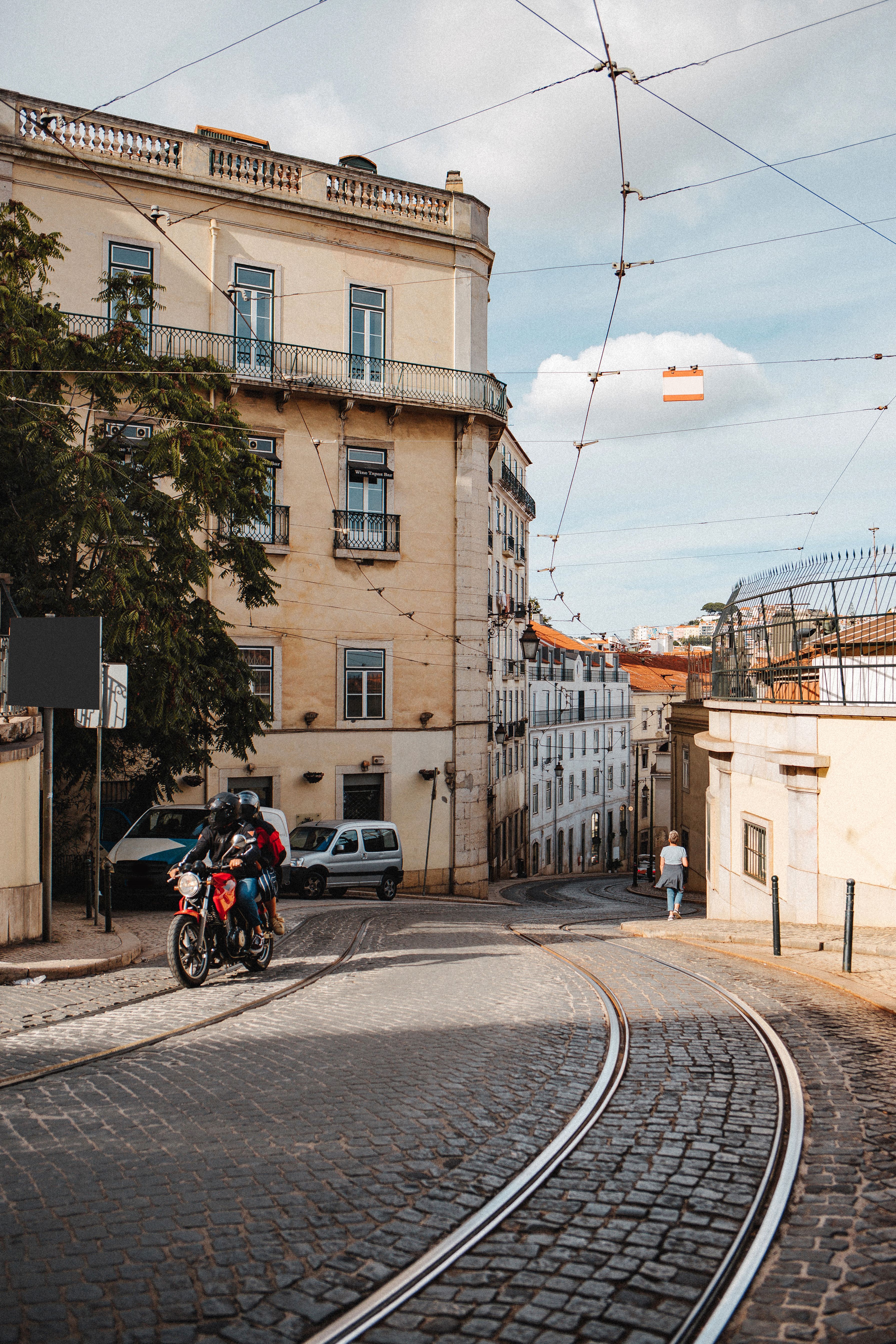
Lisboa

The city of seven hills. Famous for its yellow trams, the Belém Tower, and a nightlife scene in Bairro Alto that spills into the streets.

Porto

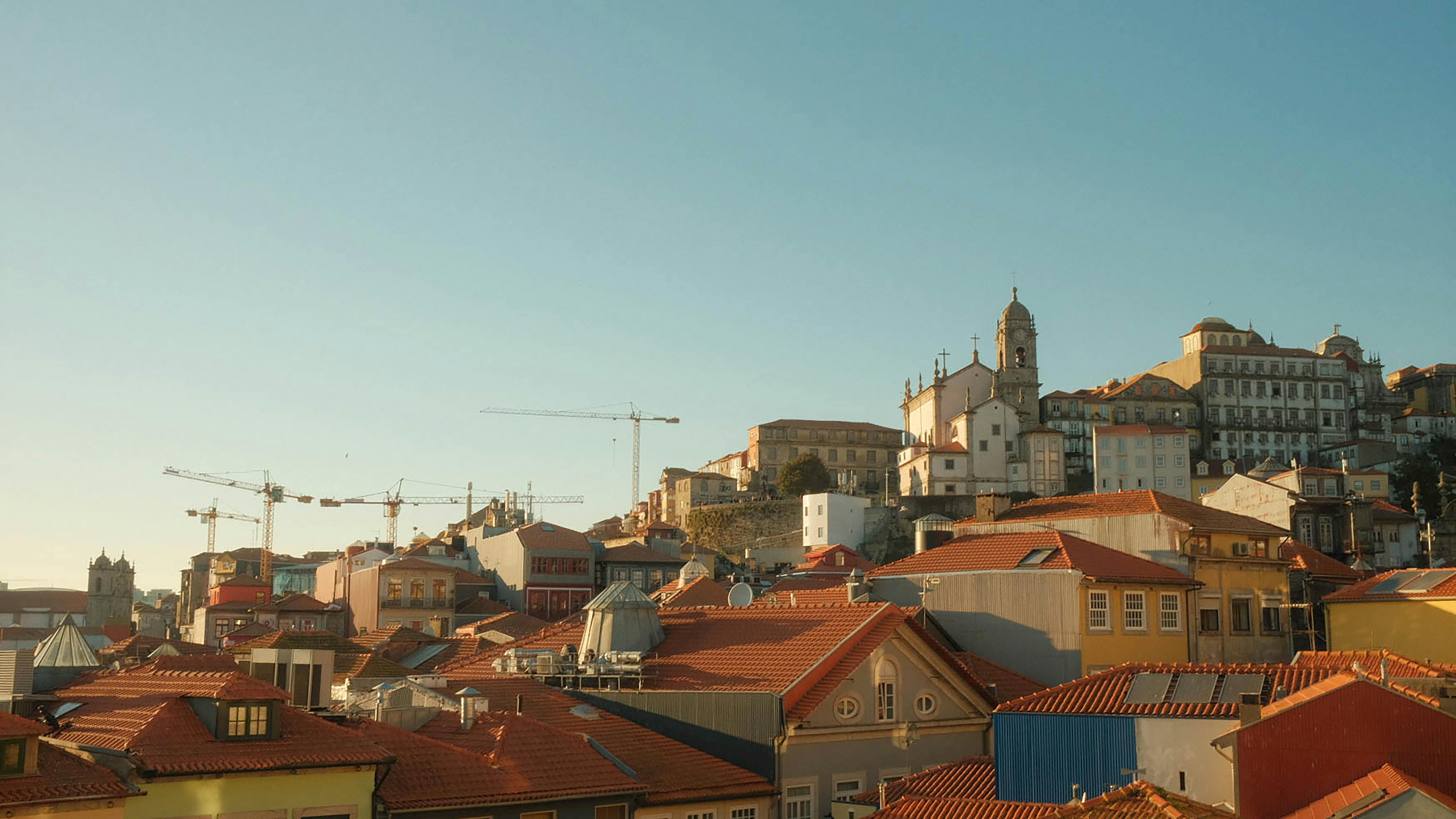
Porto

A riverside gem known for the Ribeira district, the iconic Dom Luís I Bridge, and the world-class Port wine cellars of Gaia.

Sintra

Sintra

A fairytale forest filled with romantic palaces and Moorish castles. The Pena Palace is the undisputed crown jewel of Portuguese architecture.

Lagos

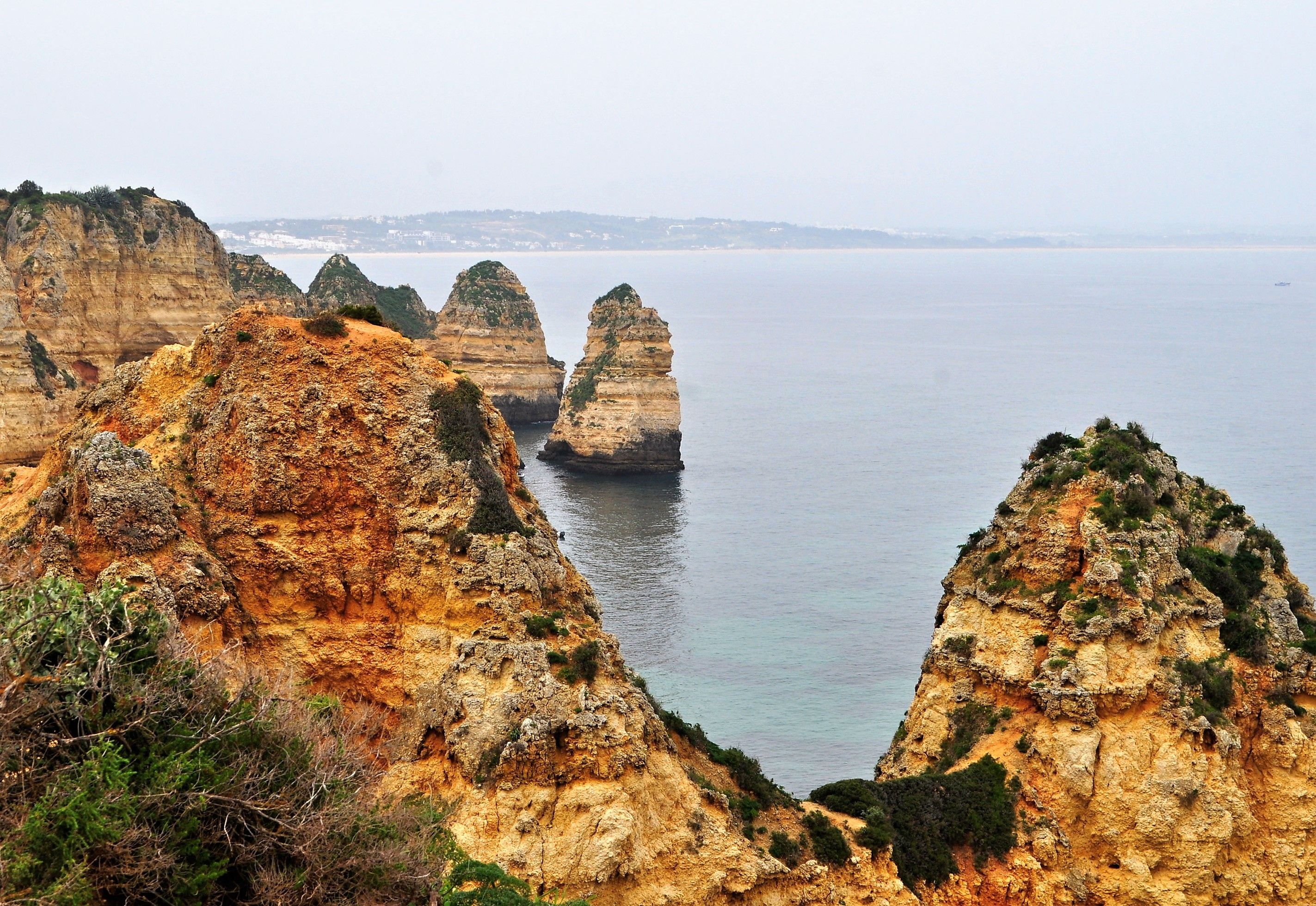
Lagos

The heart of the Algarve. Known for the stunning Ponta da Piedade rock formations and some of the most beautiful beaches in the world.

Évora

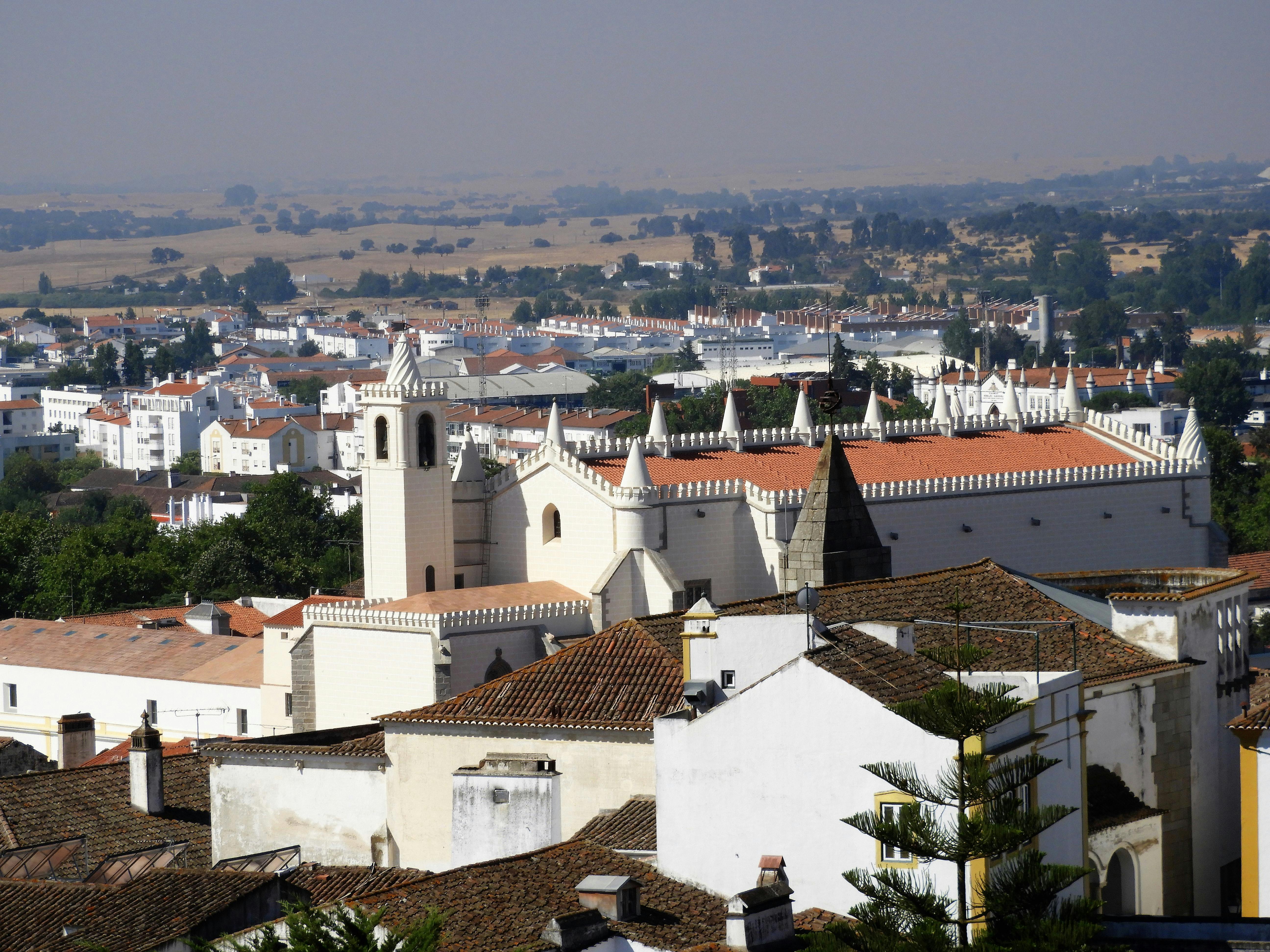
Évora

A museum-city in the Alentejo. It features a Roman Temple, a bone chapel, and a culinary scene focused on black pork and local herbs.

Nazaré

Nazaré

A traditional fishing village that becomes the center of the surfing world every winter when the "Big Waves" arrive.

Culture, Food & Etiquette

The Tasca & The Table

Portuguese culture is humble, welcoming, and obsessed with fresh ingredients—specifically from the sea. In 2026, the dining scene remains a mix of traditional *Tascas* (family-run taverns) and modern Michelin-starred concepts.

  • The Couvert Scam (Not really): When you sit down, bread, olives, and cheese are brought to the table. These are not free. If you eat them, you pay for them (€2–€8). If you don't want them, simply say "No, thank you."
  • Coffee Culture: Coffee is a social ritual. Ask for a "Bica" in Lisbon or a "Cimbalino" in Porto for a short, strong espresso. Avoid ordering "lattes" unless you want to be pegged as a tourist instantly.
  • Fado Etiquette: If you visit a Fado house, silence is mandatory during the performance. It is considered deeply disrespectful to talk or eat while the fadista is singing.
  • Pastel de Nata: Every bakery has them, but the best are always warm and sprinkled with cinnamon and powdered sugar.

Transport & Airport Logistics

Airport Transfers

  • Lisbon (LIS): The Metro (Red Line) connects the airport to the city in 20 minutes. Taxis are reliable but ensure the meter is on; expect to pay €15–€20 for a ride to the center.
  • Porto (OPO): The Metro (Line E) is the easiest way to the Ribeira. For those heading to the Douro, car rentals at the airport are very efficient.
  • Faro (FAO): Primarily used for the Algarve. There is no direct train station at the airport; you must take a bus or taxi to Faro city center to catch the regional train.
  • Ridesharing: Uber and Bolt are ubiquitous and very affordable in Portugal. Bolt is often the cheaper of the two.

Comboios de Portugal (CP)

The Alfa Pendular is the high-speed train connecting Braga, Porto, Lisbon, and Faro. In 2026, booking 5+ days in advance on the CP app can save you up to 50% on ticket prices.

Rede Expressos

For rural areas like the Alentejo or the Silver Coast, the bus network is often better and more frequent than the train. The "Rede Expressos" app is essential for inter-city travel.

Safety & Local Advisories

Drug Solicitation

In central Lisbon (Baixa/Chiado), men may approach you selling "hashish" or "cocaine." It is almost always fake (pressed herbs or flour). They are not dangerous, but they are persistent. A firm "No" and continuing to walk is the best approach.

Calcada Portuguesa

The traditional black-and-white stone sidewalks are beautiful but incredibly slippery, especially when wet or worn down. Wear shoes with good grip. Avoid smooth-soled sandals if you plan on walking the steep hills of Alfama.

Costs & Health Essentials

Daily Budget

Budget / Hostel €30 – €65
Mid-Range Hotel €110 – €190
Luxury Boutique €300 – €900+

Entry & Health

  • ETIAS: Required for non-EU travelers starting in 2026.
  • Sun Exposure: The Atlantic breeze hides the strength of the sun. Even if it feels cool, use high SPF—sunburn is the most common tourist health issue.
  • Water: Tap water is safe to drink, though the mineral content is high. In 2026, many cities provide free public water fountains to reduce plastic.

Global Visa Explorer 2026 LIVE

Instant travel requirements for 150+ world destinations.

STATUS

Travel Info

DURATION -
IMPORTANT INFO Select countries to view 2026 travel details.

Frequently asked questions

about France

Do I need to speak French to travel comfortably in France?

Not necessarily, but it helps more than people expect. In cities like Paris, many people speak English, especially in hotels, restaurants, and tourist areas. However, starting with a simple “Bonjour” before switching to English is considered polite and often results in friendlier service. You do not need fluency, just a small effort makes a noticeable difference.

How exactly do metro and bus tickets work in Paris?

In Paris, the old paper tickets are called “Ticket t+”, but they are being phased out. The easiest option now is the Navigo Easy card, a small reusable card that you load with tickets. You can also use the Île-de-France Mobilités app to store tickets digitally on your phone. Important detail, you must validate your ticket at entry and keep it until you exit, as random checks do happen.

Can I just tap my credit card to enter the metro or bus?

Sometimes, but not everywhere yet. Paris is slowly rolling out contactless tap systems, but it is not fully universal like in London. In many stations, you cannot rely on tapping your bank card directly. Instead, you load tickets onto a Navigo Easy card or your phone. Contactless payment does work at ticket machines, so you can quickly buy tickets using Visa or Mastercard.

Which payment methods are actually accepted in France?

Most places accept Visa and Mastercard without any issues, including contactless payments. Apple Pay and Google Pay are also widely supported. However, American Express is less consistently accepted, especially in smaller shops or cafés. Carrying a small amount of cash is still useful, but for most travelers, card payments cover almost everything.

What is better in France, Uber or regular taxis?

Uber works very well in cities like Paris and is usually cheaper and easier to use than traditional taxis. You get upfront pricing, in app payment, and live tracking. Regular taxis can still be useful, especially from taxi stands or airports, but pricing can vary more. Most travelers default to Uber for convenience and predictability.

What is the best way to get from the airport into the city?

From the main Paris airport, the most common option is the RER B train, which connects directly to the city center and is both fast and affordable. Tickets can be bought at machines using card or cash. Uber and taxis are available, but they are significantly more expensive. A lot of travelers choose train for daytime arrival and Uber if arriving late at night or with heavy luggage.

Arrive Well Rested with the New Serenity 2 Sleep Mask

Designed for total darkness and uninterrupted sleep.

Shop now
Customer Favorites
Customer Favorites

Customer Favorites

On-the-Go Essentials

On-the-Go Essentials

Tech for Travel
Tech for Travel

Tech for Travel

Travel Comfort
Travel Comfort

Travel Comfort

Smart Packing
Smart Packing

Smart Packing

Travel Made Simple

At Jetvance, we’re a Belgium-based team focused on making travel easier through smart products and useful information. We create tools that simplify the way you plan, organize, and experience your trips. Alongside our products, we provide clear and practical insights about destinations and travel in general, helping you feel more prepared wherever you go. With Jetvance, everything you need to travel smarter is in one place.

Check Out Our Products