Philippines Travel Guide 2026 – Islands, Beaches & Nature

Discover an archipelago of over 7,000 islands. From the limestone lagoons of Palawan to the Chocolate Hills of Bohol, the Philippines offers the ultimate tropical escape in 2026.

The Philippines is a paradise defined by crystal-clear waters, emerald rice terraces, and some of the world's friendliest locals. In 2026, the country continues to lead in sustainable island tourism, balancing bustling metropolitan energy in Manila with secluded, eco-conscious resorts in its outer provinces. Whether you're diving in world-class reefs, surfing legendary swells, or relaxing on powdery white sands, the Philippines promises an island-hopping adventure like no other.

Seasonal Planning

The Best Timing

  • Dry Season (November–May): The peak time for travel. Seas are calm, skies are blue, and all island-hopping tours are fully operational.
  • Cooler Dry Months (December–February): Ideal temperatures for those who want to avoid the intense tropical heat.
  • Wet Season (June–October): Frequent rains and potential typhoons. However, this is "Green Season"—prices drop, and the landscapes are lush.
  • Sinulog Festival (January 2026): Experience Cebu’s massive cultural dance festival, one of the most vibrant events in Asia.

Weather Advice

Tropical weather means high humidity year-round. Pack light, moisture-wicking fabrics and high-SPF sunblock. During the rainy season, travel plans can be disrupted by flight or ferry cancellations; always check weather advisories before moving between islands.

Navigating the Regions

Luzon, Visayas, and Palawan

Luzon is the northern hub, featuring the capital Manila and the stunning UNESCO rice terraces of Banaue. It is the center of history and mountain trekking.

The Visayas make up the central heart of the country. This region is famous for white-sand beaches (Boracay), historical landmarks (Cebu), and unique geological formations (Bohol).

Palawan is often voted the best island in the world. Located to the west, it is a haven for divers and nature lovers, famous for its underground rivers and jagged karst cliffs.

Top Destinations

Palawan

Palawan

The "Last Frontier." Visit El Nido and Coron for breathtaking lagoons, shipwreck diving, and secret beaches hidden by limestone walls.

Boracay

Boracay

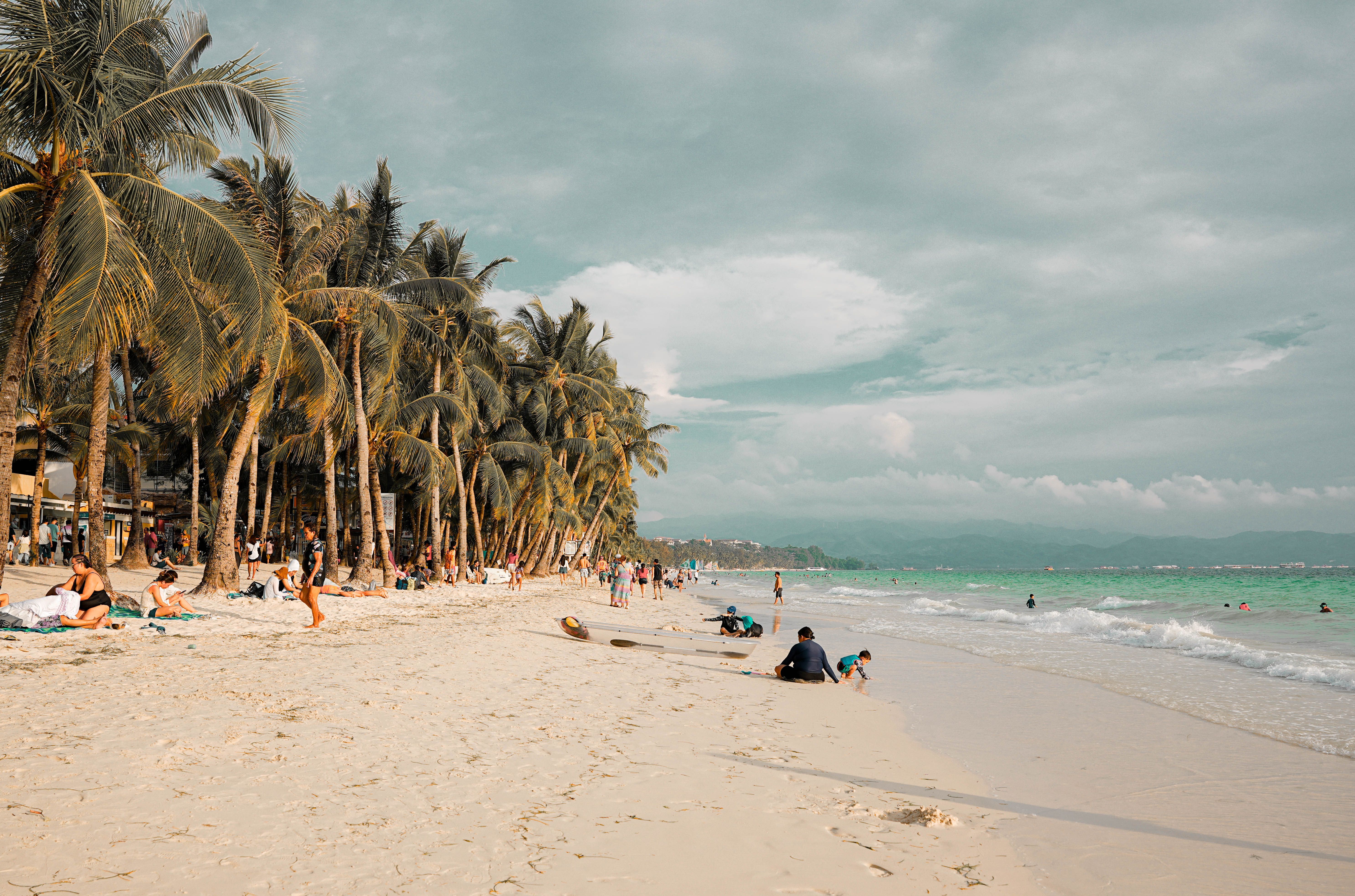
Famous for White Beach. After its rehabilitation, Boracay offers a cleaner, more sustainable beach experience with world-class sunsets.

Cebu

Cebu

The gateway to the Visayas. Swim with sardine runs in Moalboal, visit Magellan’s Cross, or head north to the pristine Bantayan Island.

Siargao

Siargao

The surfing capital. Home to the "Cloud 9" break, Siargao has a laid-back island vibe perfect for digital nomads and beach lovers.

Bohol

Bohol

Land of the Chocolate Hills and the tiny Tarsier. Explore river cruises, colonial churches, and stunning panglao beaches.

Manila

Manila

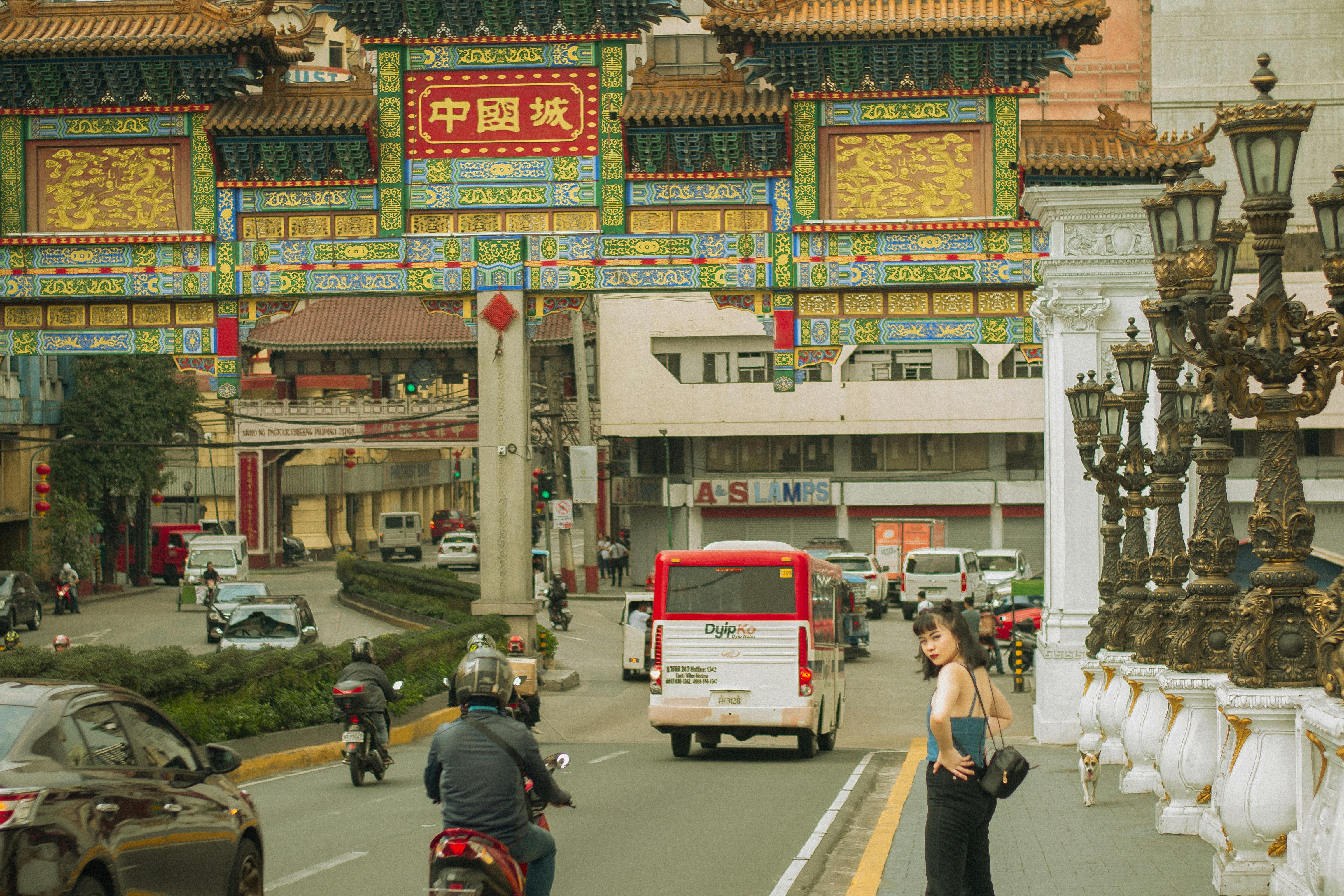
The high-energy capital. Contrast the old-world charm of Intramuros (the walled city) with the sleek skyscrapers of Bonifacio Global City.

Culture, Food & Local Vibes

Dining & Filipino Hospitality

Filipinos are known for "Bayanihan" (community spirit) and an incredible love for food and singing. Expect a warm welcome everywhere you go.

  • Food Staples: Try Adobo (the unofficial national dish), Sinigang (sour soup), and the refreshing Halo-Halo dessert.
  • Island Time: Relax! Life moves slower on the islands. Ferries and buses might not always be perfectly on schedule.
  • Karaoke Culture: It’s the national pastime. Don't be shy to join in—it's the quickest way to make local friends.
  • Language: English is widely spoken and is one of the official languages, making navigation and communication very easy.

Transport & Logistics

International Arrival & Airport Transfers

Ninoy Aquino International (Manila) and Mactan-Cebu International are the primary ports of entry. Navigating these hubs requires a few "pro" moves to avoid scams and long wait times.

Manila (NAIA) Tips

  • Grab (The Best Way): Download the Grab app before landing. Follow signs to the designated "Grab Pick-up Point." It's fixed-price and safe.
  • Yellow Airport Taxis: Metered but more expensive than white taxis. Queue only at the official airport taxi stand.
  • UBE Express: The premium airport bus service that connects NAIA to major hotels in Makati and Manila Bay for ~₱150-₱300.
  • Terminal Transfers: Use the free airport shuttle if you have a connecting flight, but allow 3 hours due to traffic.

Cebu (Mactan) Tips

  • MyBus: An efficient shuttle from Terminal 1/2 to SM City Cebu (major ferry hub) for only ₱50.
  • Grab: Widely available in Cebu and very reliable for getting to the Mactan resorts or the Cebu Pier.
  • Taxi Queues: Standard metered white taxis are reliable here. Ensure the driver turns on the meter immediately.

Getting Around the Islands

  • Domestic Flights: Cebu Pacific and Philippine Airlines are the main carriers for hopping between major islands.
  • Ferries: For routes like Cebu to Bohol, use high-speed ferries (OceanJet). Book business class for AC and better seats.
  • Jeepneys & Tricycles: The iconic local way to travel. Agree on the fare before boarding a tricycle.
  • Vans (V-Hire): Standard for long drives like Puerto Princesa to El Nido. They are fast but can be quite crowded.
  • Bangka Boats: Traditional outrigger boats used for island-hopping. Always wear your life jacket.

Safety & Wellness Essentials

Entry & Visa

Most tourists receive a 30-day visa-free entry. You must have a return ticket and a passport valid for at least 6 months to enter.

Health Advice

Never drink tap water; stick to bottled or filtered water even for brushing teeth. Protect yourself against mosquitoes to prevent Dengue.

Costs & Budgeting

Daily Budget (PHP)

Backpacker / Hostel ₱1,500 – ₱2,500
Mid-Range / Beach Resort ₱4,000 – ₱8,000
Luxury / Private Island ₱15,000+

Connectivity

  • SIM Cards: Globe or Smart are the main providers. Buy a SIM at the airport for immediate data access.
  • Cash is King: While malls and hotels accept cards, you will need cash (Pesos) for island tours, trikes, and local markets.
  • GCash: The local mobile wallet. Many small vendors now accept GCash scans for payment.

Global Visa Explorer 2026 LIVE

Instant travel requirements for 150+ world destinations.

STATUS

Travel Info

DURATION -
IMPORTANT INFO Select countries to view 2026 travel details.

Frequently asked questions

about France

Do I need to speak French to travel comfortably in France?

Not necessarily, but it helps more than people expect. In cities like Paris, many people speak English, especially in hotels, restaurants, and tourist areas. However, starting with a simple “Bonjour” before switching to English is considered polite and often results in friendlier service. You do not need fluency, just a small effort makes a noticeable difference.

How exactly do metro and bus tickets work in Paris?

In Paris, the old paper tickets are called “Ticket t+”, but they are being phased out. The easiest option now is the Navigo Easy card, a small reusable card that you load with tickets. You can also use the Île-de-France Mobilités app to store tickets digitally on your phone. Important detail, you must validate your ticket at entry and keep it until you exit, as random checks do happen.

Can I just tap my credit card to enter the metro or bus?

Sometimes, but not everywhere yet. Paris is slowly rolling out contactless tap systems, but it is not fully universal like in London. In many stations, you cannot rely on tapping your bank card directly. Instead, you load tickets onto a Navigo Easy card or your phone. Contactless payment does work at ticket machines, so you can quickly buy tickets using Visa or Mastercard.

Which payment methods are actually accepted in France?

Most places accept Visa and Mastercard without any issues, including contactless payments. Apple Pay and Google Pay are also widely supported. However, American Express is less consistently accepted, especially in smaller shops or cafés. Carrying a small amount of cash is still useful, but for most travelers, card payments cover almost everything.

What is better in France, Uber or regular taxis?

Uber works very well in cities like Paris and is usually cheaper and easier to use than traditional taxis. You get upfront pricing, in app payment, and live tracking. Regular taxis can still be useful, especially from taxi stands or airports, but pricing can vary more. Most travelers default to Uber for convenience and predictability.

What is the best way to get from the airport into the city?

From the main Paris airport, the most common option is the RER B train, which connects directly to the city center and is both fast and affordable. Tickets can be bought at machines using card or cash. Uber and taxis are available, but they are significantly more expensive. A lot of travelers choose train for daytime arrival and Uber if arriving late at night or with heavy luggage.

Arrive Well Rested with the New Serenity 2 Sleep Mask

Designed for total darkness and uninterrupted sleep.

Shop now
Customer Favorites
Customer Favorites

Customer Favorites

On-the-Go Essentials

On-the-Go Essentials

Tech for Travel
Tech for Travel

Tech for Travel

Travel Comfort
Travel Comfort

Travel Comfort

Smart Packing
Smart Packing

Smart Packing

Travel Made Simple

At Jetvance, we’re a Belgium-based team focused on making travel easier through smart products and useful information. We create tools that simplify the way you plan, organize, and experience your trips. Alongside our products, we provide clear and practical insights about destinations and travel in general, helping you feel more prepared wherever you go. With Jetvance, everything you need to travel smarter is in one place.

Check Out Our Products