Norway Travel Guide 2026 – Fjords, Nature and Scenic Routes

Drive through Norway's fjords, hike stunning landscapes, and experience nature at its best in 2026.

Norway is a land of vertical extremes where the North Sea meets the jagged peaks of the Scandinavian Mountains. In 2026, it remains the world leader in electric transport and eco-conscious travel. From the vibrant, colorful docks of Bergen to the Arctic wilderness of Svalbard, Norway offers a raw, powerful connection to the earth that few other places can match.

Seasonal Planning

The Best Timing

  • Summer: Peak hiking and fjord cruising season. Enjoy 24-hour daylight in the north or the Midnight Sun and stable 15 to 22 degrees Celsius weather in the south.
  • Autumn: Incredible colors and fewer crowds. Best time for berry picking and seeing the first dustings of snow on the peaks.
  • Winter: The Blue Hour and Northern Lights season. Ideal for world-class skiing and dog sledding in Tromsø or Alta.
  • Spring: The waterfalls are at their most thunderous due to snowmelt. May 17th is National Day, which is a massive cultural celebration you will not want to miss.

The Arctic Light Rules

  • The Midnight Sun: Above the Arctic Circle like Lofoten and Tromsø, the sun never sets from late May to mid-July. Bring a high quality eye mask for sleeping.
  • The Polar Night: Conversely, the sun does not rise from late November to mid-January. The sky glows in deep purples and blues for a few hours a day.
  • Northern Lights: Visible from September to April. You need a clear, dark sky away from city lights. Check the Aurora Forecast apps daily in 2026.
  • Mountain Passes: Many scenic high altitude roads like Trollstigen stay closed until late May or June due to heavy snowpack. Plan your driving route accordingly.

Understanding the Geography

Fjords, Plateaus, and Arctic Islands

Fjord Norway or The West: The postcard image of the country. Home to Bergen and the deepest fjords like the Sognefjord. This is the heart of the scenic driving routes.

The High North or Arctic: Lofoten, Tromsø, and the North Cape. A world of jagged islands, fishing villages on stilts or Rorbuer, and spectacular wildlife like whales and sea eagles.

Eastern Norway and Interior: Centered around Oslo. This region offers rolling forests, the Olympic city of Lillehammer, and the massive Jotunheimen mountain range, which is home to Norway's highest peaks.

Destinations and Landmarks

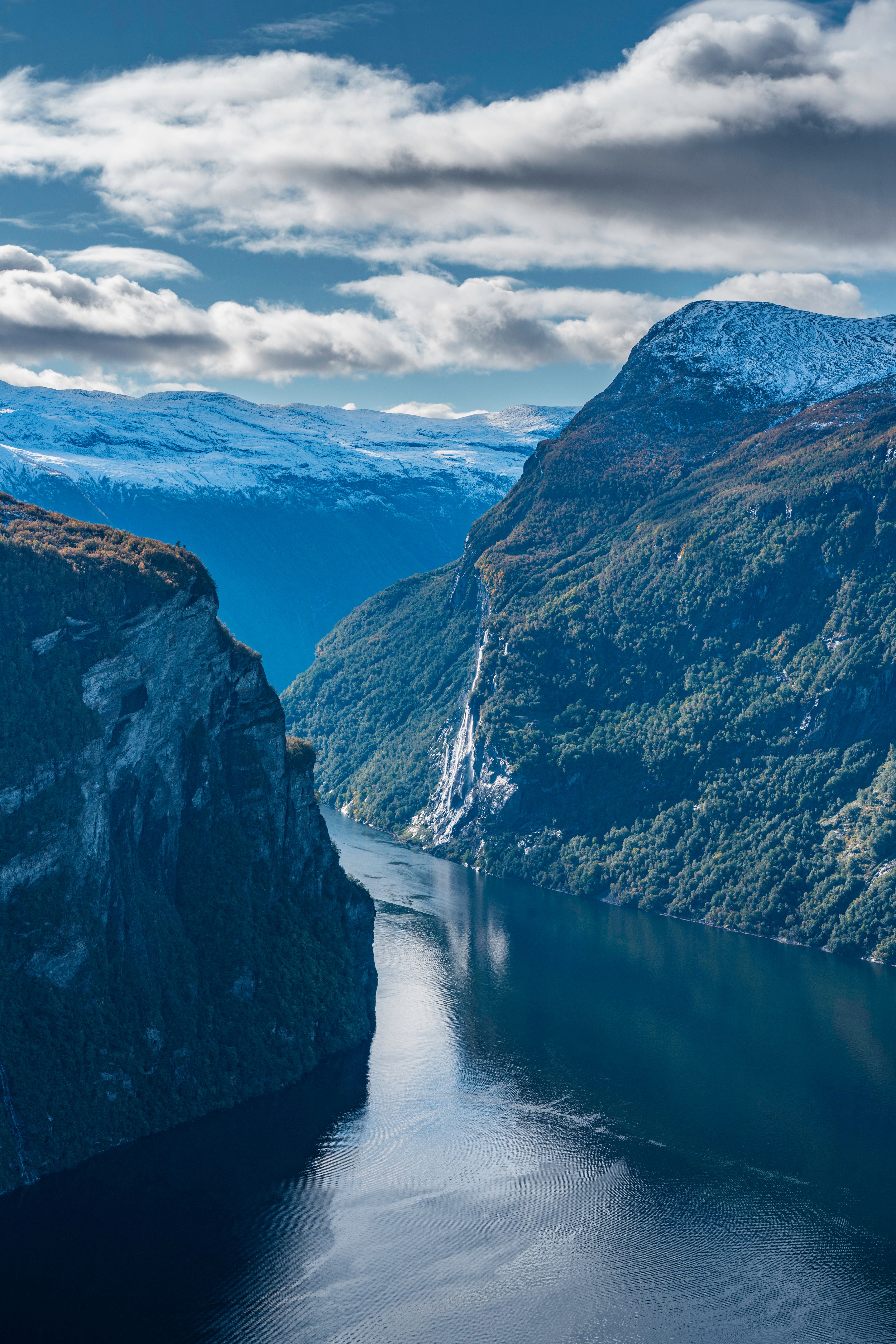
Geirangerfjord

Geirangerfjord

A UNESCO site famous for its deep blue water, abandoned mountain farms, and the Seven Sisters waterfalls.

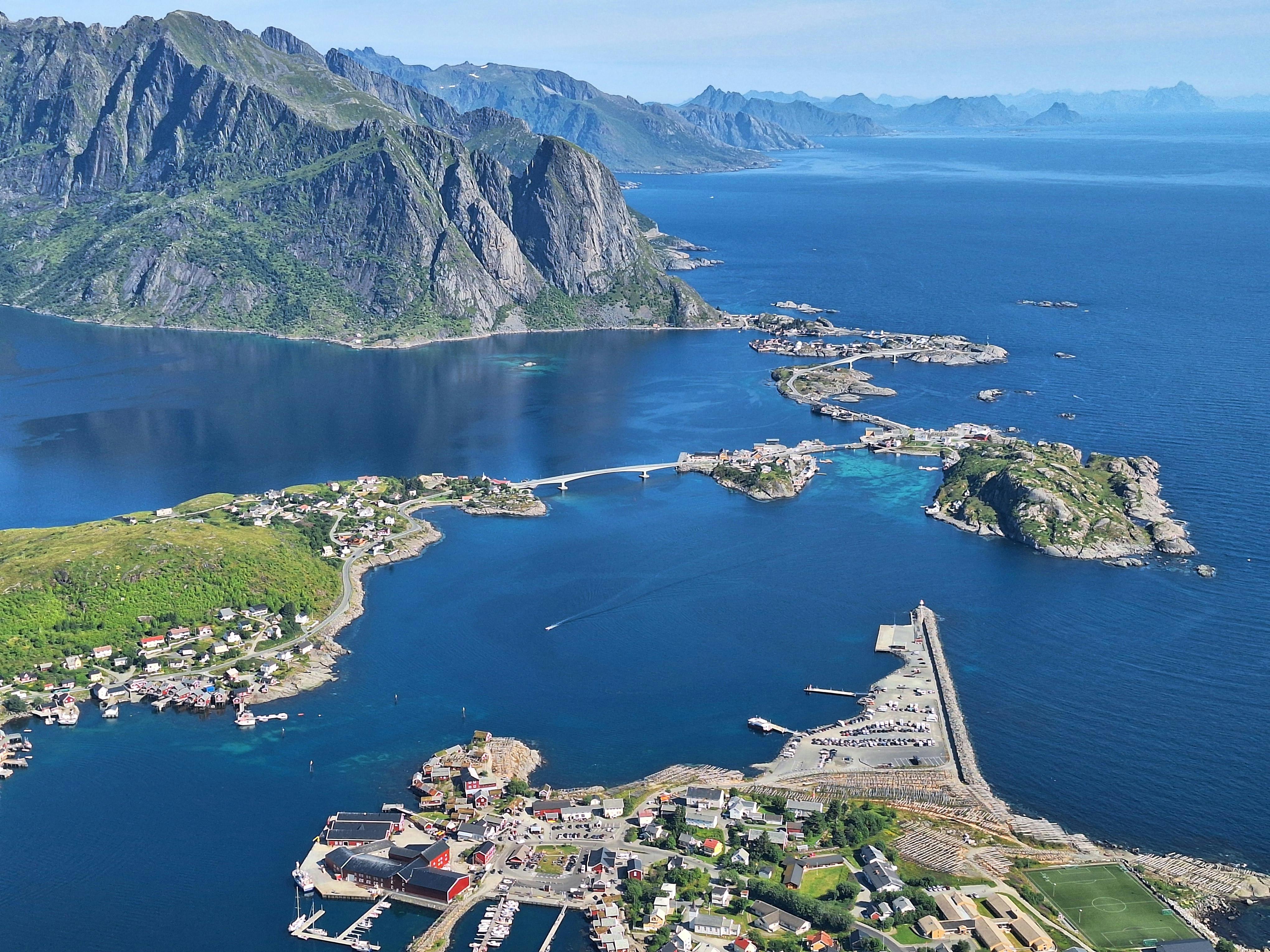
Lofoten Islands

Lofoten Islands

Where mountains crash into the sea. Iconic for red fishing cabins and white sand beaches that look tropical but feel Arctic.

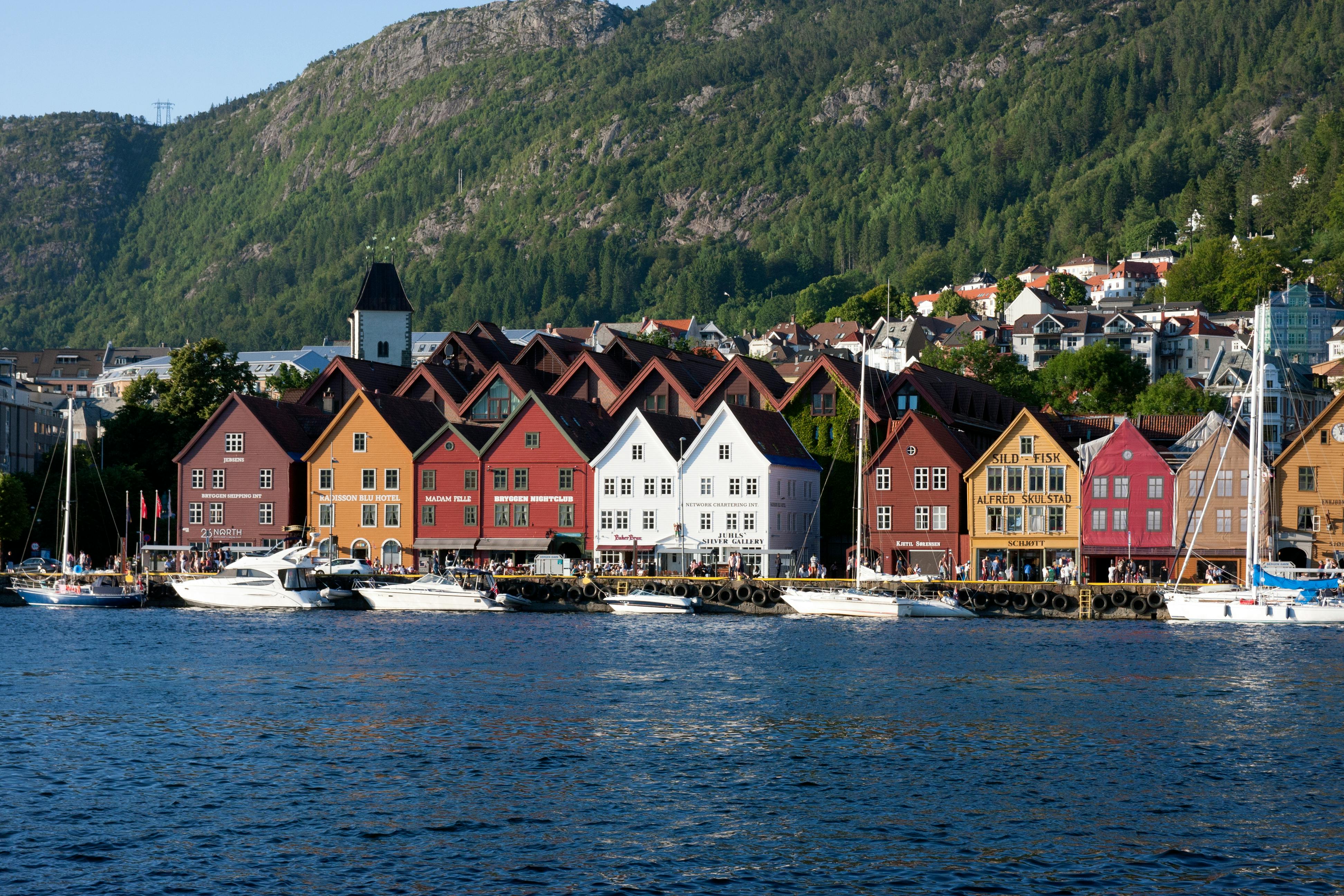
Bergen

Bergen

The Gateway to the Fjords. Famous for the Hanseatic wharf at Bryggen and its lively and rainy fish market.

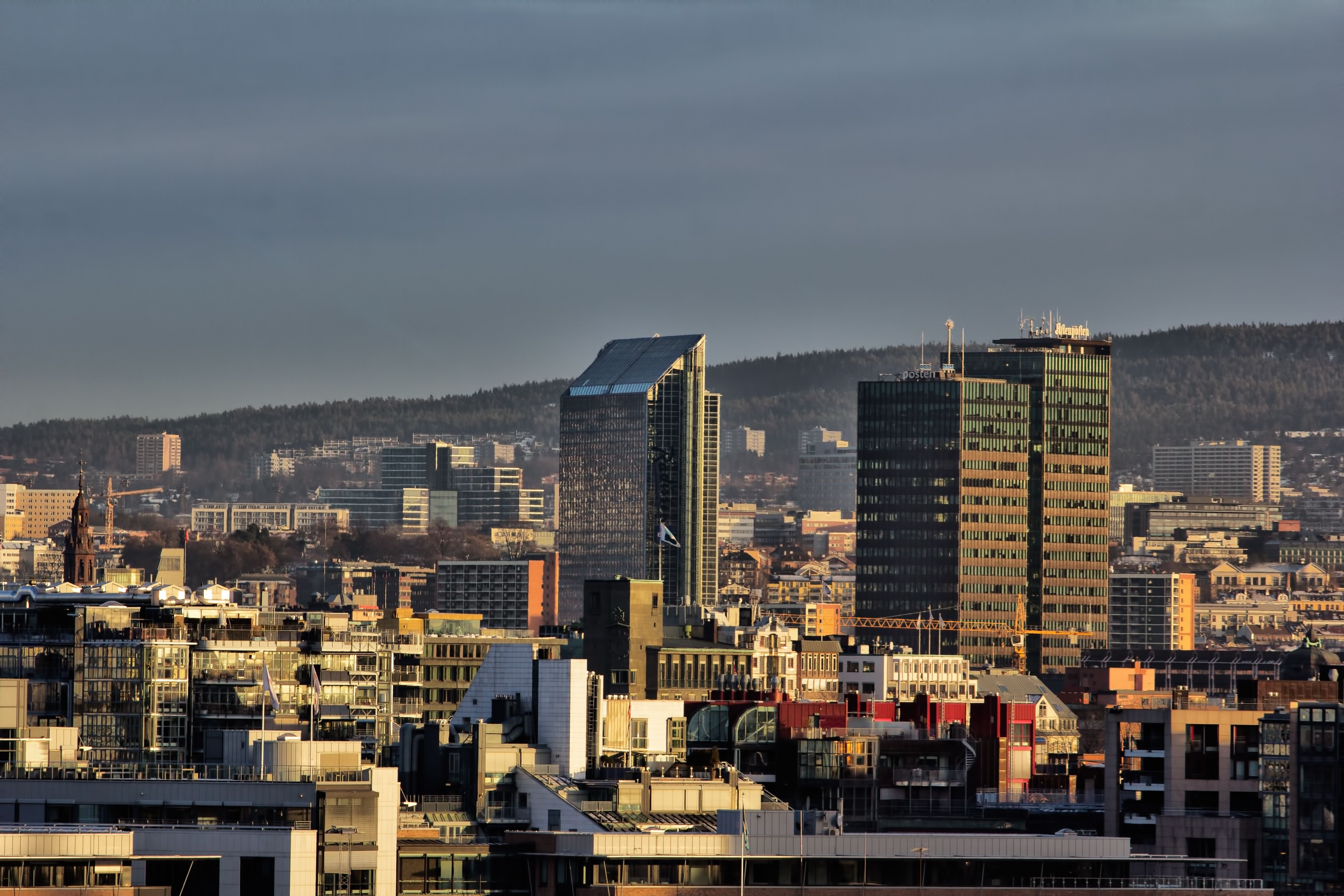
Oslo

Oslo

A green capital. Do not miss the futuristic Opera House, the Munch Museum, and the world class sculpture park at Vigeland.

Preikestolen

Preikestolen

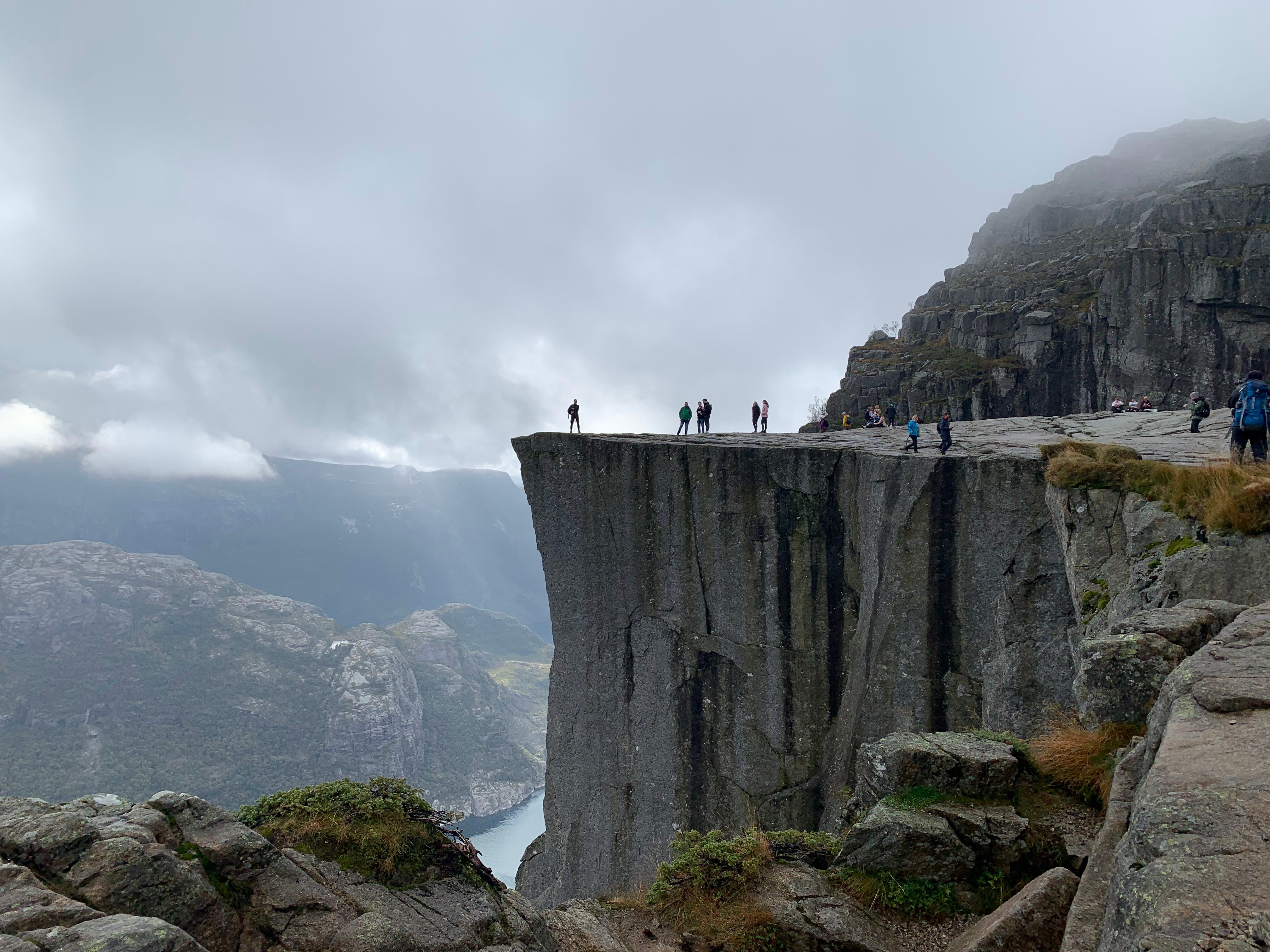
The Pulpit Rock. A massive flat topped cliff rising 604 meters above the Lysefjord, which is one of the world's most famous hikes.

Atlantic Ocean Road

Atlantic Road

Voted the world's best road trip. A series of 8 bridges hopping between islands in the open ocean.

Master Transport Guide

International and Domestic Flight Strategy

  • Oslo Gardermoen: The main international gateway. Take the Flytoget or Airport Express Train for a 19-minute ride to the city center.
  • Widerøe and STOL Ports: For the fjords and the North, Widerøe's small planes fly into tiny short-takeoff airports that larger jets cannot reach. It is often the most scenic way to travel.
  • Connecting to the North: Direct flights from Oslo to Tromsø or Bodø take about 1.5 to 2 hours.

The Coastal Highway

This is the World's Most Beautiful Voyage. These ships serve as working ferries and luxury cruises:

  • The Route: They sail from Bergen to Kirkenes near the Russian border and back, stopping at 34 ports.
  • Port to Port: In 2026, you can book port-to-port tickets to travel between specific cities like Ålesund to Trondheim as a local ferry.
  • Eco-Friendly: Look for the new Havila Voyages ships, which can sail silently into UNESCO fjords using massive battery packs.

Driving and EV Dominance

Norway has the highest concentration of EVs in the world. Car rentals are almost exclusively electric or hybrid in 2026. Charging stations are everywhere, but use apps like ElbilAppen to plan your stops. Tolls are automatic through AutoPass, and your rental company will bill you later.

The Scenic Railways

The Bergen Railway from Oslo to Bergen is one of the highest and most beautiful in Europe. Do not miss the Flåm Railway, which is a steep branch line that drops from the mountain plateau to the fjord. Book tickets at vy.no.

Culture, Food and Etiquette

Dining and Social Rules

  • Brunost: A caramel flavored whey cheese. Best eaten on a waffle or a slice of rye bread. It is a staple of the Norwegian diet.
  • Friluftsliv: This translates to open-air life. It is a philosophy that nature is the true home. Even in rain or snow, Norwegians will be outside.
  • The Right to Roam: You can camp almost anywhere in the wild for up to 48 hours, provided you are at least 150 meters from a house. Always leave no trace.
  • Pricing: Alcohol and tobacco are extremely expensive due to high taxes. Buying at the airport tax-free shop upon arrival is a common practice for locals.

Safety and Rules to Follow

Mountain Preparedness

Do not underestimate the weather. Even in summer, mountain temperatures can drop to zero with gale-force winds in minutes. Follow the Norwegian Mountain Code: never go alone, and always tell someone where you are going.

Fjord Safety

The water in the fjords is glacial and stays cold all year. If kayaking or boating, always wear a life jacket. Beware of the suction from large cruise ships and ferries in narrow passages.

Costs and Health Essentials

Daily Budget

Budget or Camper 800 to 1200 NOK
Mid Range Traveler 2000 to 3500 NOK
Luxury and Fjord Stays 5000+ NOK

Health and Entry

  • ETIAS: Non-EU visitors will need an ETIAS to enter Norway in 2026.
  • Tap Water: Some of the best in the world, so never buy bottled water.
  • Currency: Norway uses the Norwegian Krone. It is almost entirely a cashless society where you can pay for even a single stick of gum with a card.

Global Visa Explorer 2026 LIVE

Instant travel requirements for 150+ world destinations.

STATUS

Travel Info

DURATION -
IMPORTANT INFO Select countries to view 2026 travel details.

Frequently asked questions

about France

Do I need to speak French to travel comfortably in France?

Not necessarily, but it helps more than people expect. In cities like Paris, many people speak English, especially in hotels, restaurants, and tourist areas. However, starting with a simple “Bonjour” before switching to English is considered polite and often results in friendlier service. You do not need fluency, just a small effort makes a noticeable difference.

How exactly do metro and bus tickets work in Paris?

In Paris, the old paper tickets are called “Ticket t+”, but they are being phased out. The easiest option now is the Navigo Easy card, a small reusable card that you load with tickets. You can also use the Île-de-France Mobilités app to store tickets digitally on your phone. Important detail, you must validate your ticket at entry and keep it until you exit, as random checks do happen.

Can I just tap my credit card to enter the metro or bus?

Sometimes, but not everywhere yet. Paris is slowly rolling out contactless tap systems, but it is not fully universal like in London. In many stations, you cannot rely on tapping your bank card directly. Instead, you load tickets onto a Navigo Easy card or your phone. Contactless payment does work at ticket machines, so you can quickly buy tickets using Visa or Mastercard.

Which payment methods are actually accepted in France?

Most places accept Visa and Mastercard without any issues, including contactless payments. Apple Pay and Google Pay are also widely supported. However, American Express is less consistently accepted, especially in smaller shops or cafés. Carrying a small amount of cash is still useful, but for most travelers, card payments cover almost everything.

What is better in France, Uber or regular taxis?

Uber works very well in cities like Paris and is usually cheaper and easier to use than traditional taxis. You get upfront pricing, in app payment, and live tracking. Regular taxis can still be useful, especially from taxi stands or airports, but pricing can vary more. Most travelers default to Uber for convenience and predictability.

What is the best way to get from the airport into the city?

From the main Paris airport, the most common option is the RER B train, which connects directly to the city center and is both fast and affordable. Tickets can be bought at machines using card or cash. Uber and taxis are available, but they are significantly more expensive. A lot of travelers choose train for daytime arrival and Uber if arriving late at night or with heavy luggage.

Arrive Well Rested with the New Serenity 2 Sleep Mask

Designed for total darkness and uninterrupted sleep.

Shop now
Customer Favorites
Customer Favorites

Customer Favorites

On-the-Go Essentials

On-the-Go Essentials

Tech for Travel
Tech for Travel

Tech for Travel

Travel Comfort
Travel Comfort

Travel Comfort

Smart Packing
Smart Packing

Smart Packing

Travel Made Simple

At Jetvance, we’re a Belgium-based team focused on making travel easier through smart products and useful information. We create tools that simplify the way you plan, organize, and experience your trips. Alongside our products, we provide clear and practical insights about destinations and travel in general, helping you feel more prepared wherever you go. With Jetvance, everything you need to travel smarter is in one place.

Check Out Our Products