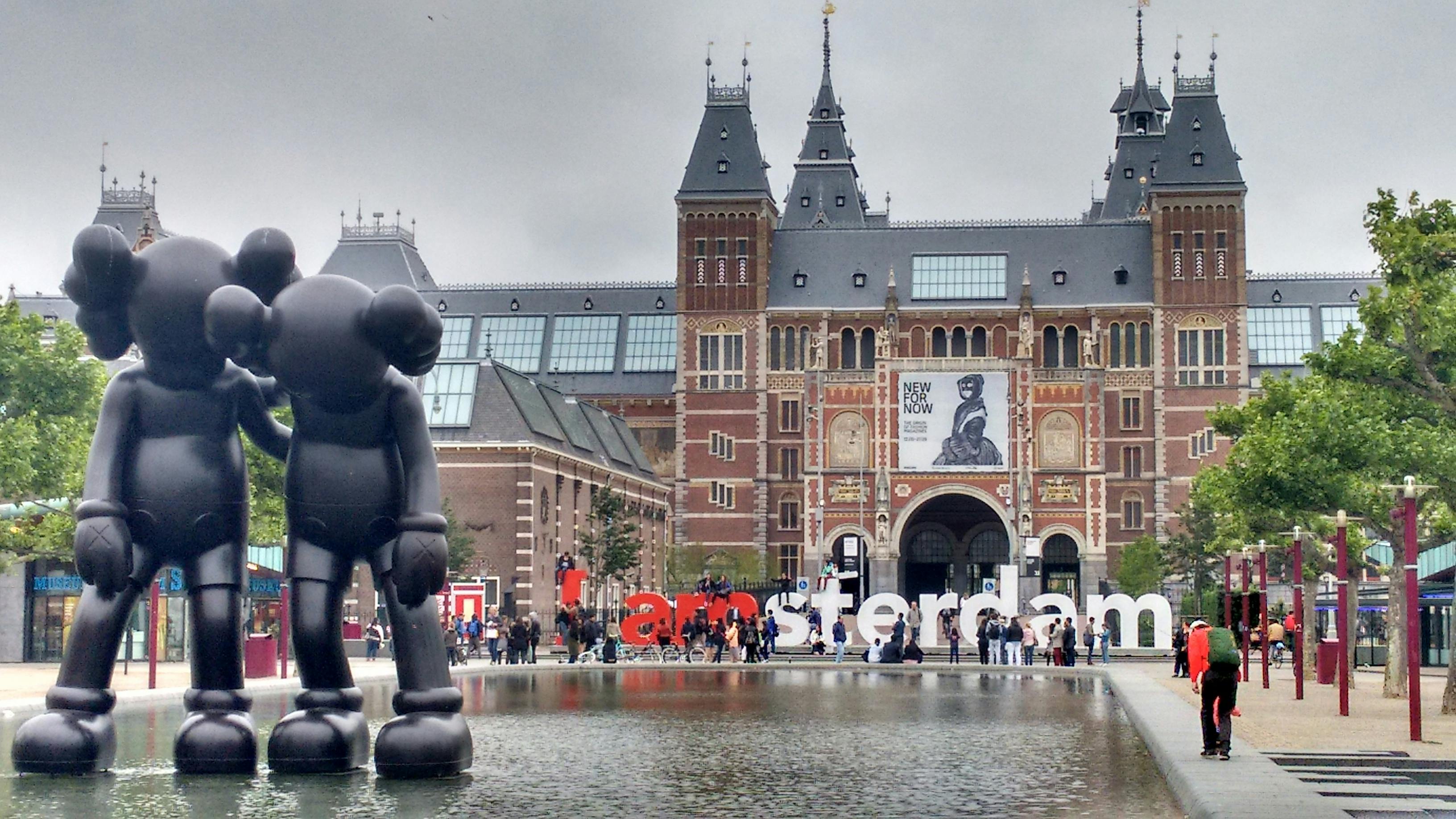
Netherlands Travel Guide 2026 – Amsterdam & Beyond

Explore the Netherlands with top attractions in Amsterdam and beyond. Discover canals, tulips, hidden gems, and travel tips for 2026.

The Netherlands is a masterclass in design, water management, and tolerance. In 2026, it remains a world leader in sustainable travel, where centuries-old windmills sit alongside futuristic architecture and high-tech urban farms. While Amsterdam’s canals are the primary draw, the true magic of the "Low Countries" lies in the ease with which you can explore quaint medieval towns and vast tulip fields just a 20-minute train ride away. This guide details the essential nuances of Dutch life, from the bicycle-first mentality to the logistical ease of a cashless society.

Seasonal Planning

The Best Timing

  • Tulip Season (Late March–Mid May): This is peak season. Keukenhof Gardens is a must, but be prepared for high hotel prices and large crowds.
  • King’s Day (April 27th): A nationwide orange-clad street party. Amsterdam is essentially a giant flea market and festival. Unforgettable, but intense.
  • Summer (June–August): Long days where the sun sets at 10:00 PM. Perfect for terrace dining and cycling through the countryside.
  • Winter (November–February): Grey and windy, but the "Glow" festival in Eindhoven and skating on canals (if lucky!) offer a cozy (gezellig) atmosphere.

The Weather Reality

The Dutch have a saying: "You aren't made of sugar." Rain is frequent but usually passes in 15-minute bursts. In 2026, climate patterns favor sudden sea winds. A high-quality windbreaker is much more useful than an umbrella, which will likely turn inside out in the coastal gusts of The Hague or Amsterdam.

Randstad vs. The Provinces

Navigating the Dutch Geography

Most travelers spend their entire trip within the Randstad—the megalopolis encompassing Amsterdam, Rotterdam, The Hague, and Utrecht. This area is ultra-connected, highly international, and where English is spoken almost universally. Here, life is fast-paced, urban, and deeply centered around the historic canal rings and modernist ports of Rotterdam.

To see "The Other Holland," you must head to the Provinces. In the North (Friesland/Groningen), you'll find a distinct language (Frisian), vast horizons, and the UNESCO Wadden Sea. The East (Hoge Veluwe) offers sprawling national parks and world-class art at the Kröller-Müller Museum. The South (Limburg/Brabant) is the "Burgundian" part of the country—hilly, predominantly Catholic, and famous for its slower pace and richer, heavier cuisine.

Major Cities to Explore

Amsterdam

Amsterdam

The world's most famous village. Home to the Rijksmuseum, Anne Frank House, and a historic center where bikes outnumber people.

Rotterdam

Rotterdam

Europe's largest port and a playground for modern architecture. Don't miss the Cube Houses and the spectacular Markthal.

Utrecht

Utrecht

Amsterdam's younger sister. Utrecht features unique wharf-level canals and the historic Dom Tower.

The Hague

The Hague

The seat of the Dutch government and home to the King. It offers a refined atmosphere and the beach at Scheveningen.

Maastricht

Maastricht

A slice of southern charm near the Belgian border. Famous for its Roman history and vibrant culinary scene.

Delft

Delft

The home of Vermeer and "Delft Blue" pottery. This city is a perfectly preserved 17th-century masterpiece.

Culture, Food & Etiquette

Gezelligheid & The Dutch Lifestyle

The Dutch value "Gezelligheid"—a word meaning cozy, social, and warm. They are also famously direct, which is simply a value for efficiency and honesty.

  • Biking Rules: Do not walk on red-paved paths. If you rent a bike, always stay to the right and signal your turns clearly.
  • Cashless Society: The Netherlands is virtually cashless. Ensure you have a contactless Visa/Mastercard or Apple/Google Pay.
  • Dining Habits: Dinner is early, typically around 18:00. If invited to a Dutch home, show up exactly on time—not early, not late.
  • Snack Culture: Try Bitterballen (fried meat snacks), Stroopwafels, and Haring (raw herring) from a street stall.

Transport & Airport Logistics

Airport Transfers

  • Amsterdam Schiphol (AMS): The train station is beneath the airport. Trains to Amsterdam Central run every 10 mins (€5.90, 20 mins).
  • Eindhoven Airport (EIN): Used by low-cost carriers. Take bus 400 or 401 to the train station to connect to the rest of the country.
  • Ridesharing: Uber and Bolt are available in the Randstad. For official taxis, use the TCA app.

The NS Railway

In 2026, the OV-pay system allows you to simply tap your contactless card or phone at station gates—no physical ticket needed.

Local Trams & Ferries

Trams are the heartbeat of major cities. The blue and white ferries behind Amsterdam Central Station are completely free for pedestrians and cyclists.

Safety & Local Advisories

Tourist Trap Scams

In Amsterdam, avoid "street dealers" selling fake drugs. In the Red Light District, it is strictly forbidden to photograph workers; your phone may be confiscated by security.

Canal Safety

Canals have strong currents. Avoid sitting on edges if you've been drinking. In 2026, fines for public intoxication in the historic center have significantly increased.

Costs & Health Essentials

Daily Budget

Budget / Hostel €50 – €95
Mid-Range Hotel €160 – €300
Luxury Boutique €450 – €2,000+

Entry & Health

  • ETIAS: Mandatory digital authorization for non-EU travelers starting in 2026.
  • Pharmacies: For medicine, look for "Apotheek." For toiletries/basics, use Kruidvat or Etos.
  • Water: Tap water is excellent and perfectly safe—no need to buy bottled water.

Global Visa Explorer 2026 LIVE

Instant travel requirements for 150+ world destinations.

STATUS

Travel Info

DURATION -
IMPORTANT INFO Select countries to view 2026 travel details.

Frequently asked questions

about France

Do I need to speak French to travel comfortably in France?

Not necessarily, but it helps more than people expect. In cities like Paris, many people speak English, especially in hotels, restaurants, and tourist areas. However, starting with a simple “Bonjour” before switching to English is considered polite and often results in friendlier service. You do not need fluency, just a small effort makes a noticeable difference.

How exactly do metro and bus tickets work in Paris?

In Paris, the old paper tickets are called “Ticket t+”, but they are being phased out. The easiest option now is the Navigo Easy card, a small reusable card that you load with tickets. You can also use the Île-de-France Mobilités app to store tickets digitally on your phone. Important detail, you must validate your ticket at entry and keep it until you exit, as random checks do happen.

Can I just tap my credit card to enter the metro or bus?

Sometimes, but not everywhere yet. Paris is slowly rolling out contactless tap systems, but it is not fully universal like in London. In many stations, you cannot rely on tapping your bank card directly. Instead, you load tickets onto a Navigo Easy card or your phone. Contactless payment does work at ticket machines, so you can quickly buy tickets using Visa or Mastercard.

Which payment methods are actually accepted in France?

Most places accept Visa and Mastercard without any issues, including contactless payments. Apple Pay and Google Pay are also widely supported. However, American Express is less consistently accepted, especially in smaller shops or cafés. Carrying a small amount of cash is still useful, but for most travelers, card payments cover almost everything.

What is better in France, Uber or regular taxis?

Uber works very well in cities like Paris and is usually cheaper and easier to use than traditional taxis. You get upfront pricing, in app payment, and live tracking. Regular taxis can still be useful, especially from taxi stands or airports, but pricing can vary more. Most travelers default to Uber for convenience and predictability.

What is the best way to get from the airport into the city?

From the main Paris airport, the most common option is the RER B train, which connects directly to the city center and is both fast and affordable. Tickets can be bought at machines using card or cash. Uber and taxis are available, but they are significantly more expensive. A lot of travelers choose train for daytime arrival and Uber if arriving late at night or with heavy luggage.

Arrive Well Rested with the New Serenity 2 Sleep Mask

Designed for total darkness and uninterrupted sleep.

Shop now
Customer Favorites
Customer Favorites

Customer Favorites

On-the-Go Essentials

On-the-Go Essentials

Tech for Travel
Tech for Travel

Tech for Travel

Travel Comfort
Travel Comfort

Travel Comfort

Smart Packing
Smart Packing

Smart Packing

Travel Made Simple

At Jetvance, we’re a Belgium-based team focused on making travel easier through smart products and useful information. We create tools that simplify the way you plan, organize, and experience your trips. Alongside our products, we provide clear and practical insights about destinations and travel in general, helping you feel more prepared wherever you go. With Jetvance, everything you need to travel smarter is in one place.

Check Out Our Products