Malaysia Travel Guide 2026 – Islands, Food & City Life

Discover Malaysia’s mix of modern cities, tropical islands, and street food. Visit Kuala Lumpur, Langkawi, and hidden gems in 2026.

Malaysia is a sensory explosion where high-octane futurism meets some of the oldest rainforests on the planet. In 2026, the country remains Southeast Asia's most accessible "bridge" between cultures Malay, Chinese, and Indian traditions weave together to create a landscape of incredible food, spiritual architecture, and linguistic diversity. Whether you're navigating the neon-lit malls of KL or trekking through the mist of the Cameron Highlands, Malaysia offers a logistical ease and hospitality that makes it a premier global destination.

Seasonal Planning

Peak Windows

  • West Coast (Dec–April): The perfect time for Kuala Lumpur, Penang, and Langkawi. Expect clear skies and the best conditions for island hopping.
  • East Coast (April–September): This is the golden window for the Perhentian and Redang islands. Outside these months, the monsoon shuts most island resorts.
  • Borneo (March–October): Dry season in Sabah and Sarawak. This is essential for climbing Mount Kinabalu or seeing orangutans in the wild.
  • Festivals: Time your visit for Lunar New Year or Hari Raya Aidilfitri to witness Malaysia at its most vibrant, though anticipate heavy traffic.

The Heat Reality

Malaysia is equatorial: it is hot and humid 365 days a year. Rain usually takes the form of massive, 45-minute afternoon downpours rather than day-long drizzle. Air conditioning in malls and public transport is notoriously cold always carry a light shawl or hoodie for indoor transitions. If the heat becomes overwhelming, locals head to "Hill Stations" like Genting or Cameron Highlands to find relief in the 18°C mountain air.

Understanding the Regional Divide

Peninsular vs. East Malaysia (Borneo)

Peninsular West Coast (Modernity & History): This is the urban powerhouse. From the colonial heritage of Melaka and George Town to the financial heart of Kuala Lumpur, this region is ultra-connected. It is the hub of the country's famous street food culture and serves as the easiest entry point for first-time travelers.

Peninsular East Coast (The Malay Heart): States like Terengganu and Kelantan are more culturally conservative and offer a glimpse into traditional Malay life. Expect stunning, quiet beaches, intricate woodcarving, and a slower pace of life where local markets are the center of the community.

Malaysian Borneo (Nature's Frontier): Separated by the South China Sea, Sabah and Sarawak are worlds apart. Borneo is for the adventurer. It holds the world's most biodiverse ecosystems, indigenous "longhouse" villages, and world-class diving in Sipadan. In 2026, Borneo remains the best place in Asia for ethical wildlife encounters and deep-jungle trekking.

6 Must-Visit Destinations

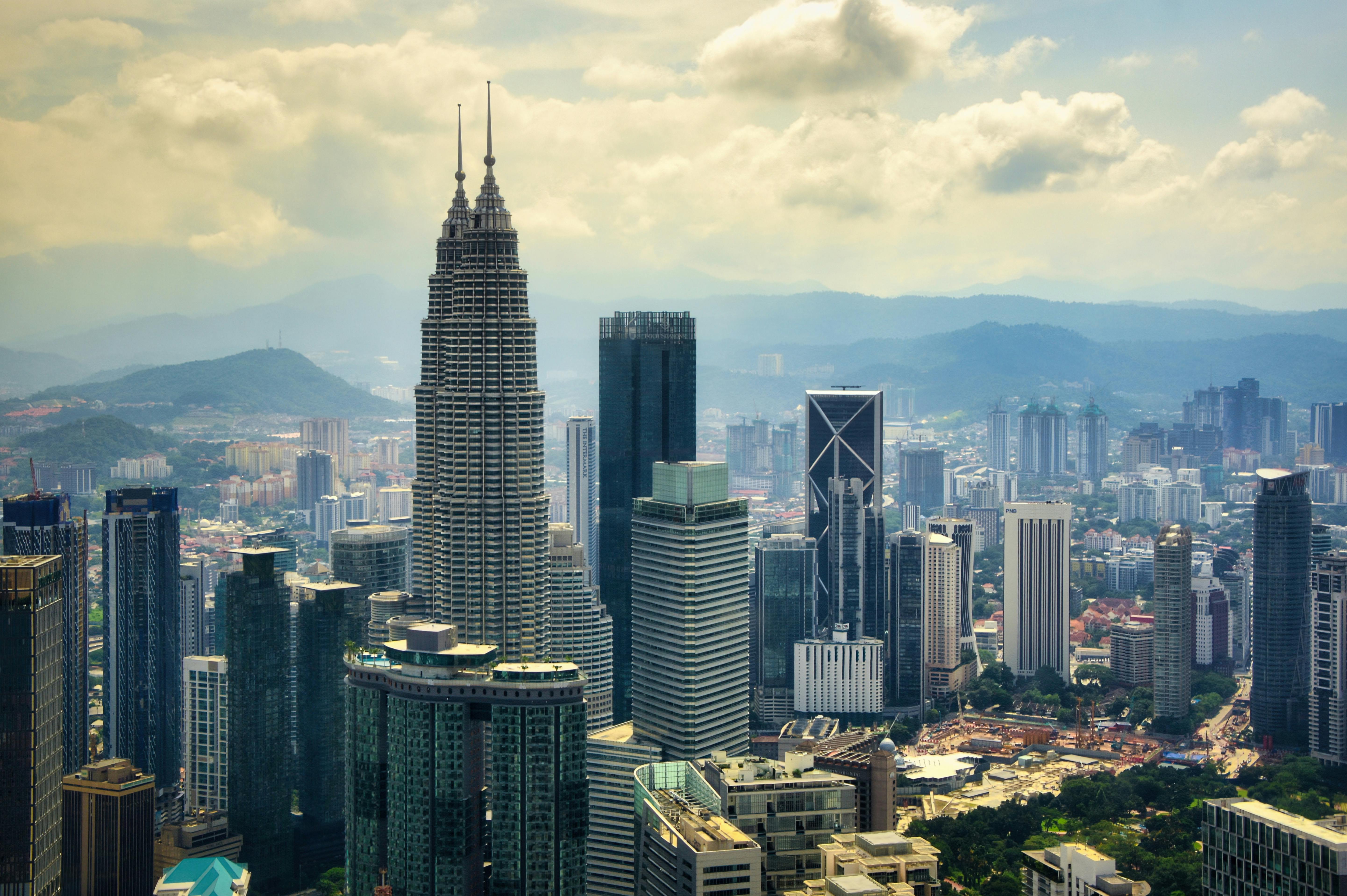
Kuala Lumpur

Kuala Lumpur

A skyscraper-studded skyline home to the Petronas Towers and the Batu Caves. A hub for luxury shopping and world-class rooftop bars.

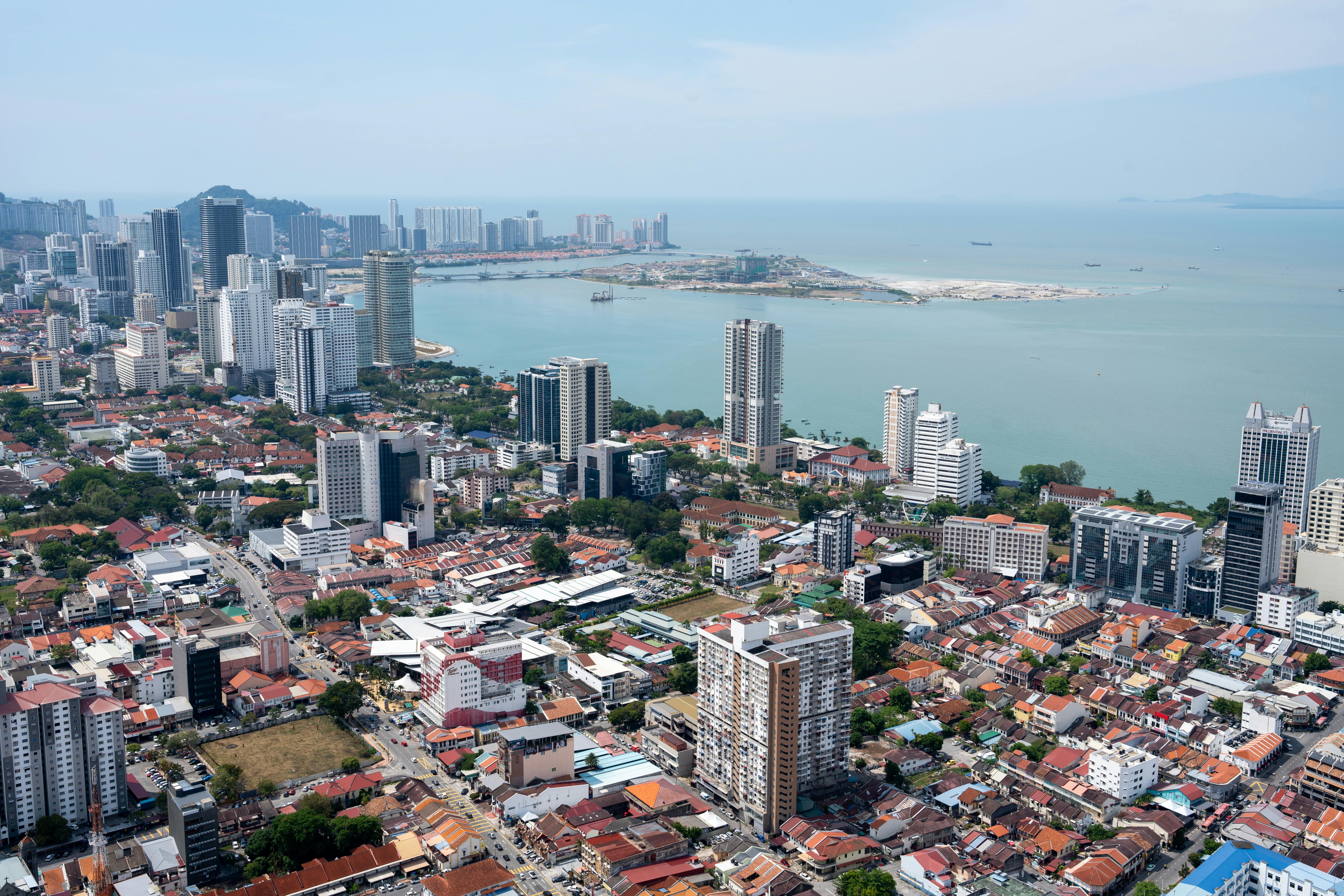
George Town

George Town

The food capital of Asia. This UNESCO site is famous for interactive street art and a preserved colonial shophouse district.

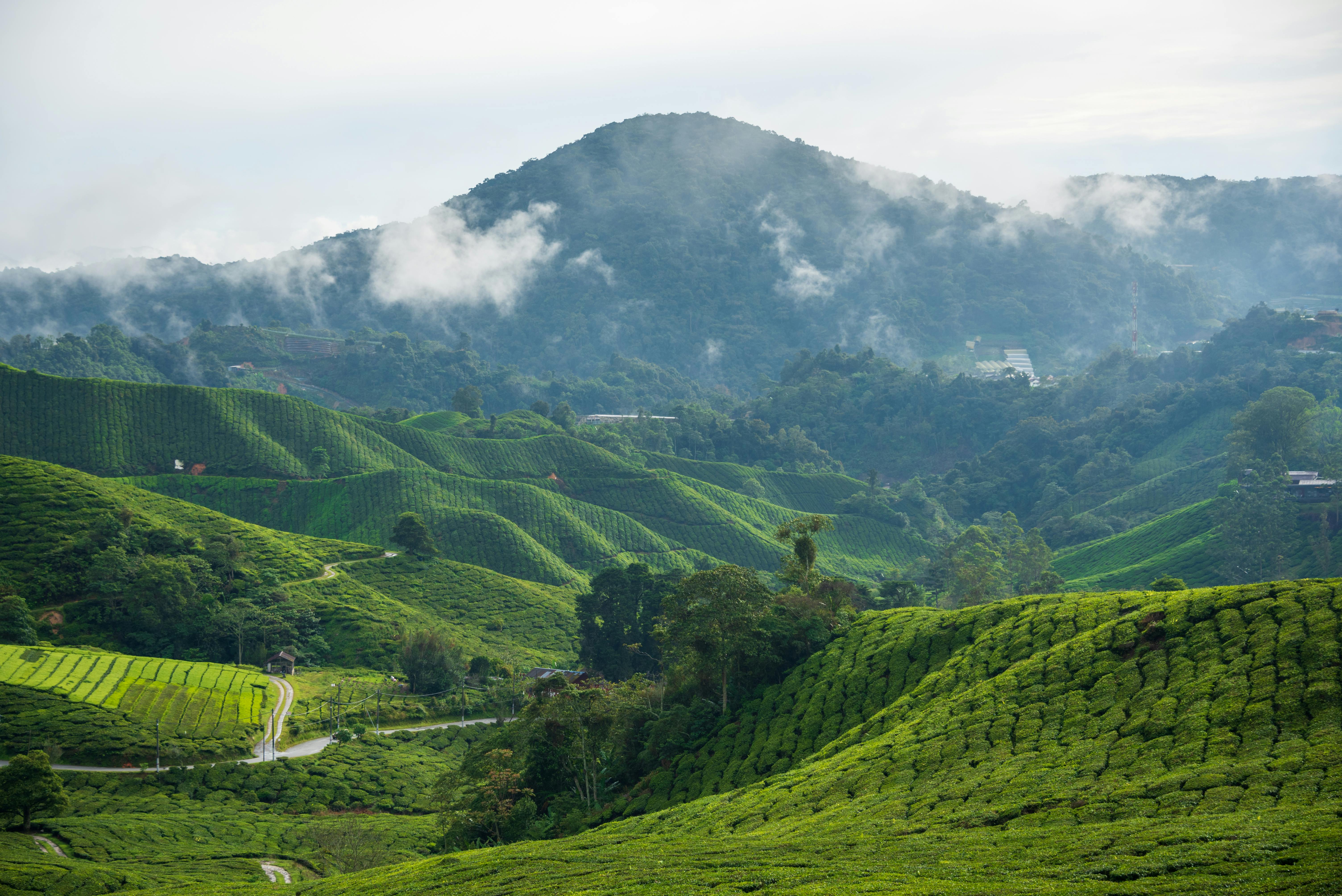
Cameron Highlands

Cameron Highlands

Lush tea plantations, strawberry farms, and mossy forests. The highlands offer a refreshing, cool escape from the tropical heat.

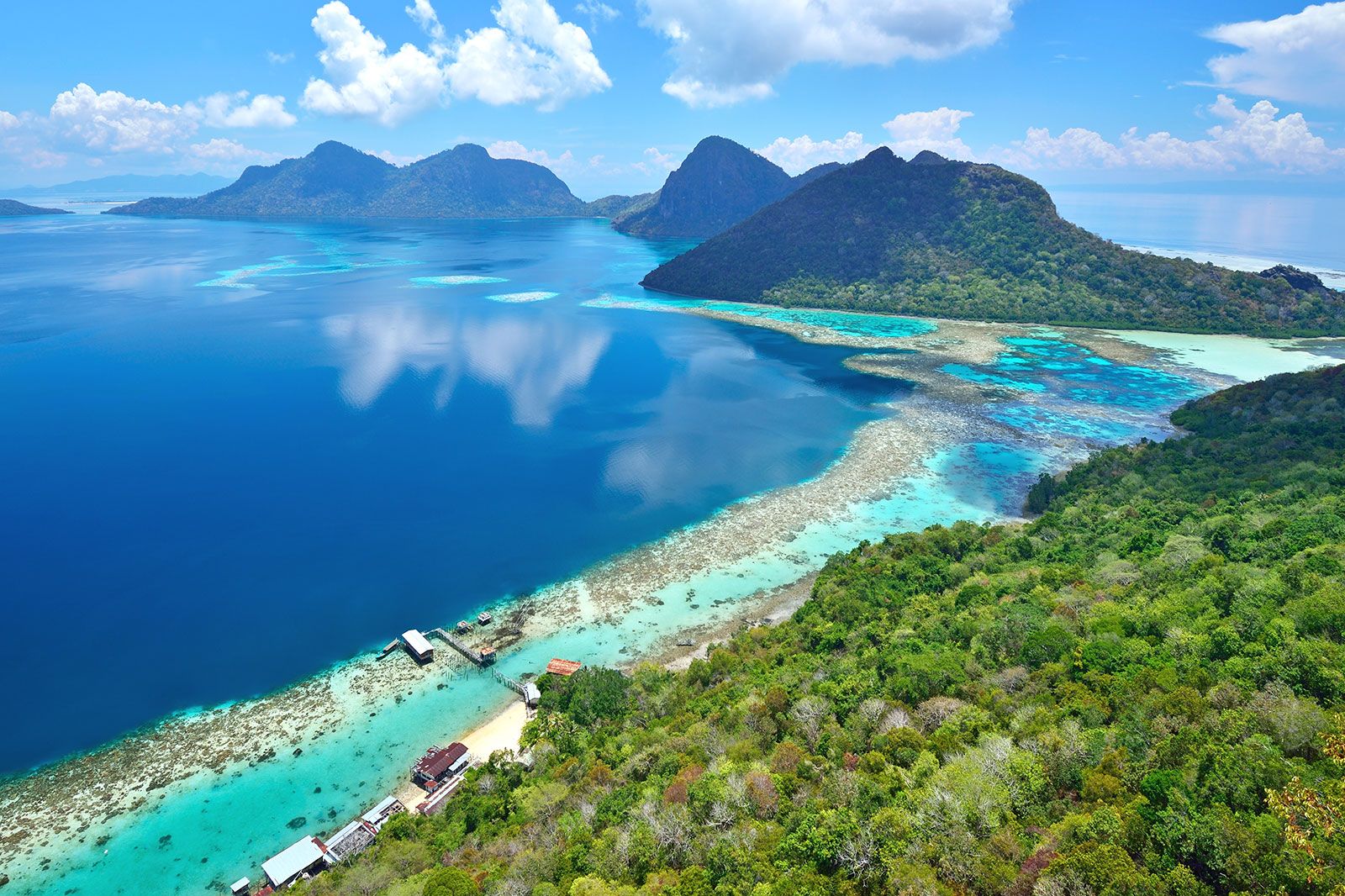
Langkawi

Langkawi

An archipelago of 99 islands known for duty-free shopping, turquoise waters, and the famous Langkawi Sky Bridge.

Taman Negara

Taman Negara

One of the world's oldest rainforests. Navigate canopy walkways and seek out wild elephants in the deep jungle.

Kota Kinabalu

Kota Kinabalu

The gateway to Borneo’s adventure. Home to Mount Kinabalu and stunning sunsets over the South China Sea.

Malaysian Culture & Traditions

A Multi-Ethnic Tapestry

Malaysia's cultural identity is shaped by a peaceful coexistence of Malay, Chinese, Indian, and indigenous Bornean communities, creating a vibrant mosaic of festivals, architecture, and daily customs.

  • Harmonious Diversity (Muhibbah): The unique national spirit emphasizing mutual respect, unity, and shared celebrations across diverse religious and ethnic backgrounds.
  • Traditional Crafts & Textiles: Intricate heritage arts like Batik textile printing, Songket gold-thread weaving, and traditional Wau kite-making passed down through generations.
  • Indigenous Heritage of Borneo: Deeply rooted ancestral traditions, longhouse communal living, and unique tribal ceremonies preserved by the Iban, Kadazandusun, and Orang Ulu peoples.
  • Peranakan (Baba-Nyonya) Culture: A fascinating fusion of Chinese and Malay influences showcased through distinctive architecture, beadwork, and hybrid heritage cuisine.
  • Architectural Heritage: A striking blend of Moorish Islamic domes, British colonial brickwork, ornate Chinese clan temples, and traditional Malay wooden stilt houses (Kampung houses).
  • Vibrant Festive Open Houses: The unique Malaysian custom during Hari Raya, Chinese New Year, and Deepavali where homes and community halls are opened to welcome all neighbors and guests.

Culinary Masterpieces & Gastronomy

A World-Renowned Food Haven

Malaysian cuisine is globally celebrated as one of the world's finest culinary landscapes, effortlessly combining rich spices, aromatic herbs, and diverse cultural cooking techniques.

  • Nasi Lemak: Malaysia’s beloved national dish featuring fragrant rice cooked in coconut milk and pandan leaf, served with crispy anchovies, peanuts, boiled egg, cucumber, and spicy sambal.
  • Penang Street Food Masterpieces: Iconic hawker dishes like Char Kway Teow (stir-fried flat rice noodles) and Assam Laksa (sour, spicy fish noodle soup) originating from George Town.
  • Rendang & Curry Delights: Slow-cooked, deeply spiced dry curries simmered in coconut milk and lemongrass, traditionally prepared for festive celebrations and special gatherings.
  • Roti Canai & Teh Tarik: Flaky, buttery flatbreads expertly flipped and paired with warm dhal curry, accompanied by frothy, "pulled" spiced milk tea.
  • Satay Skewers: Tender marinated chicken or beef skewers charcoal-grilled over open flames, served with a rich, chunky spiced peanut dipping sauce and rice cakes.
  • Tropical Desserts & Teas: Refreshing treats like Cendol (shaved ice with pandan jelly, coconut milk, and palm sugar) and locally grown Cameron Highlands tea.

Master Logistics & Extended Transport Guide

Comprehensive Transit Infrastructure

Arriving in a new country is the most stressful part of the trip. Here is exactly how to handle the major hubs and extended transit networks:

  • Kuala Lumpur (KLIA1/KLIA2):
    The KLIA Ekspres: The absolute gold standard. It takes exactly 28 minutes to reach KL Sentral (the city hub). It costs RM 55 and leaves every 20 minutes. No traffic, no stress.
    Grab: Download the app before you land. Follow the signs for "Level 1 Transportation Hub" to find the Grab pickup point. It costs roughly RM 65-80 + tolls. Avoid the "Airport Taxis" inside as they often overcharge tourists.
  • Penang (PEN): There is no train. Use Grab. It’s about a 45-minute drive to George Town and costs roughly RM 25-40 depending on the time of day. Alternatively, licensed airport prepaid taxis offer fixed-rate coupons inside the arrival hall.
  • Kota Kinabalu (BKI): The airport is very close to the city (15 mins). A Grab will only cost you about RM 10-15.
  • Langkawi (LGK): Car rentals and Grab are readily available right outside the small terminal. Renting a car is remarkably affordable and the best way to explore the island's winding coastal roads.
  • Intercity Express Buses: A comprehensive, highly comfortable network of air-conditioned long-distance coaches connects major peninsular cities affordably via the North-South Expressway.

National Rail & Coastal Ferries

The ETS (Electric Train Service) is phenomenal for traveling between KL, Ipoh, and Penang. It’s fast, clean, and has a snack bar. Pro Tip: Tickets for ETS often sell out a week in advance—book via the "KTM Mobile" app early. For island crossings to Langkawi, Tioman, or the Perhentians, modern air-conditioned high-speed ferries operate daily from designated mainland jetties.

The Grab Revolution & Domestic Flights

In Malaysia, Grab is everything. You can use it for cars, food delivery, and even at some markets. It is significantly safer than street hailing. Ensure your credit card is linked to avoid carrying too much cash. For jumping between Peninsular Malaysia and Borneo (Sabah/Sarawak), budget carriers like AirAsia offer frequent, low-cost domestic flights.

Cultural Rules & Safety

Modesty & Temples

Malaysia is a Muslim-majority nation. While urban centers are liberal, always cover your shoulders and knees when visiting mosques or rural villages. Take your shoes off before entering homes or religious sites.

The Thumb Point

Pointing with your index finger is considered rude. Use your right thumb (with fingers folded) to point. Always give and receive money or items with your right hand.

Costs & Health Essentials

Daily Budget

Budget / Street Food RM 120 – 180
Mid-Range Hotel RM 350 – 600
Luxury Resort RM 1,200+

Health & Entry

  • Digital Arrival Card: Most visitors in 2026 must complete the MDAC (Malaysia Digital Arrival Card) online 3 days before arrival.
  • Water: Do not drink tap water directly. Stick to filtered or bottled water, which is readily available everywhere.
  • Dengue Awareness: Use mosquito repellent, especially in Borneo or jungle areas during dawn and dusk.

Global Visa Explorer 2026 LIVE

Instant travel requirements for 150+ world destinations.

STATUS

Travel Info

DURATION -
IMPORTANT INFO Select countries to view 2026 travel details.

Arrive Well Rested with the New Serenity 2 Sleep Mask

Designed for total darkness and uninterrupted sleep.

Shop now
Customer Favorites
Customer Favorites

Customer Favorites

On-the-Go Essentials

On-the-Go Essentials

Tech for Travel
Tech for Travel

Tech for Travel

Travel Comfort
Travel Comfort

Travel Comfort

Smart Packing
Smart Packing

Smart Packing

Travel Made Simple

At Jetvance, we’re a Belgium-based team focused on making travel easier through smart products and useful information. We create tools that simplify the way you plan, organize, and experience your trips. Alongside our products, we provide clear and practical insights about destinations and travel in general, helping you feel more prepared wherever you go. With Jetvance, everything you need to travel smarter is in one place.

Check Out Our Products