Kenya Travel Guide 2026 – Savannah Safaris, Great Migrations & Coastal Reefs
Kenya is known for the classic wildlife savannahs of the Maasai Mara, the dramatic Great Rift Valley, and pristine white-sand Indian Ocean beaches. Travel interest focuses on wildlife tracking, luxury eco-lodges, and indigenous cultural encounters in 2026.
In 2026, Kenya remains the emotional home of the classic African safari, captivating global travelers with its timeless landscapes and pioneering eco-tourism models. Kenya is known for the classic wildlife savannahs of the Maasai Mara, the dramatic Great Rift Valley, and pristine white-sand Indian Ocean beaches. Travel interest focuses on wildlife tracking, luxury eco-lodges, and indigenous cultural encounters in 2026, guiding visitors toward sustainable private conservancies, historic Swahili trade islands, and breathtaking migration corridors that protect the planet's most magnificent creatures.
Seasonal Planning
Best Times to Visit
- The Great Migration Window (July – October): The absolute pinnacle for wildlife viewing. Millions of wildebeest and zebras risk crocodile-infested waters to cross into the Maasai Mara.
- Dry Winter Safari Window (January – March): Beautifully clear, warm days. Animals gather around permanent watering holes, making tracking exceptionally easy.
- Coastal Beach Peak (December – March): Perfect blue skies and calm ocean conditions ideal for diving, snorkeling, and exploring the Swahili Coast.
- The "Long Rains" Low Season (April – May): Heavy tropical downpours refresh the landscape. While some bush tracks become muddy, eco-lodges offer incredible luxury discounts.
Climate Note
The country sits directly on the equator, ensuring comfortable warmth year-round. Inland regions like Nairobi sit at high altitudes (1,795m elevation), enjoying crisp morning air and mild days, while coastal strips like Mombasa feature hot, humid tropical weather (28°C - 32°C).
From Great Migration Plains to Turquoise Marine Parks
Top Nature & Wildlife Journeys 2026
Traversing the country's diverse ecosystems is highly seamless via reliable domestic bush flights, the modern standard gauge railway, or private 4x4 safari vehicles.
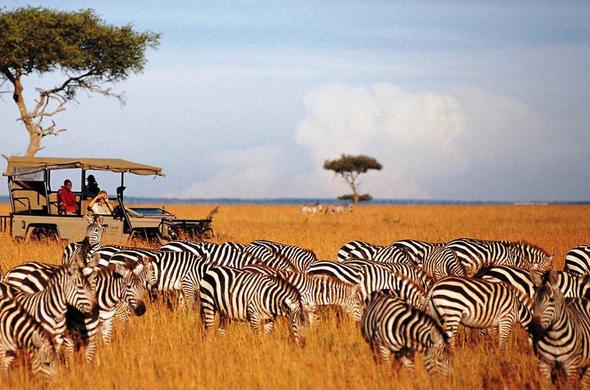
- Maasai Mara Dawn Balloon Safari: Glide silently over the vast plains at sunrise as massive herds of wildlife move below.
- Amboseli Elephant Tracking: Photograph iconic herds of giant tuskers walking before the snow-capped peak of Mount Kilimanjaro.
- Ol Pejeta Rhino Encounter: Visit a highly secure private conservancy to see the world's last remaining northern white rhinos.
- Hell's Gate Bicycle Excursion: Cycle past grazing zebras and towering volcanic gorges in one of the few national parks allowing foot exploration.
- Sheldrick Elephant Orphanage: Witness the specialized midday feeding of rescued baby elephants in the forested outskirts of Nairobi.
- Diani Beach Reef Snorkeling: Board a traditional wooden dhow to swim among vibrant coral heads and sea turtles in clear Indian Ocean waters.
6 Essential Destinations
Maasai Mara
The legendary wildlife crown jewel. An rolling savannah ecosystem renowned for unparalleled big cat sightings and the spectacular annual wildebeest migration.
Nairobi
The vibrant green city in the sun. A dynamic metropolitan hub where modern tech districts sit right next to a full-fledged national park roaming with wild rhinos.
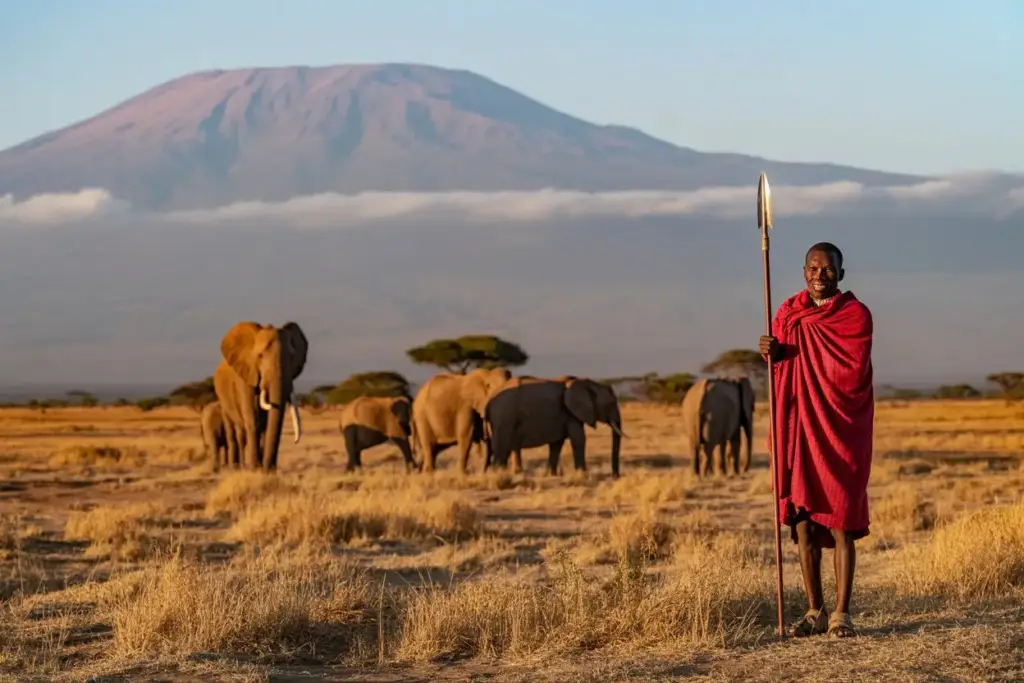
Amboseli
The land of giants. Located right at the southern border, offering spectacular postcards of massive elephant herds silhouetted against Africa's highest mountain.
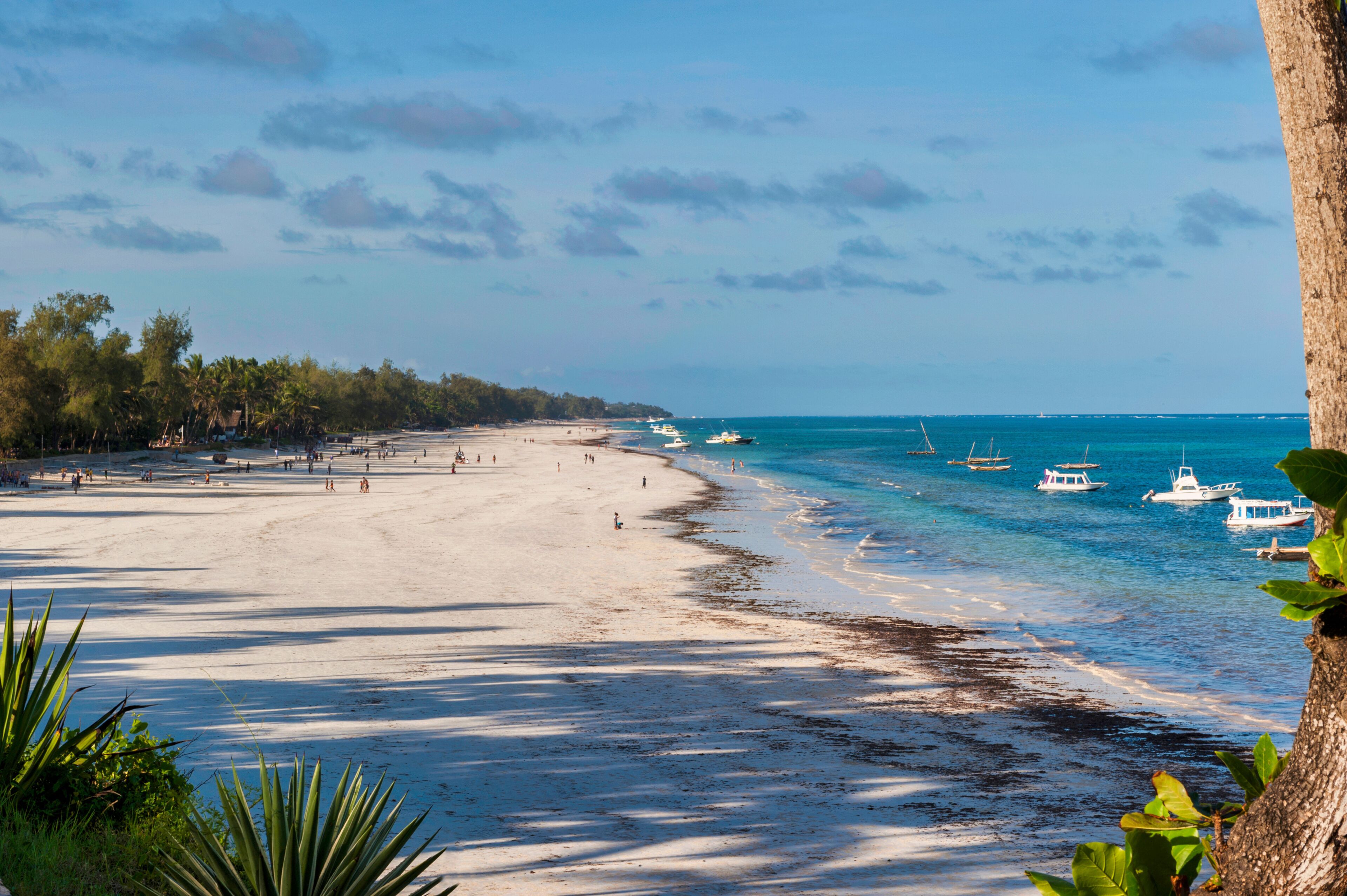
Diani Beach
An award-winning tropical paradise. Features soft, blindingly white sands bordered by lush green forests and a warm, protected barrier reef lagoon.
Lake Nakuru
A Rift Valley sanctuary. Celebrated for its shores that glow pink with thousands of flamingos, alongside a highly successful sanctuary for both black and white rhinos.
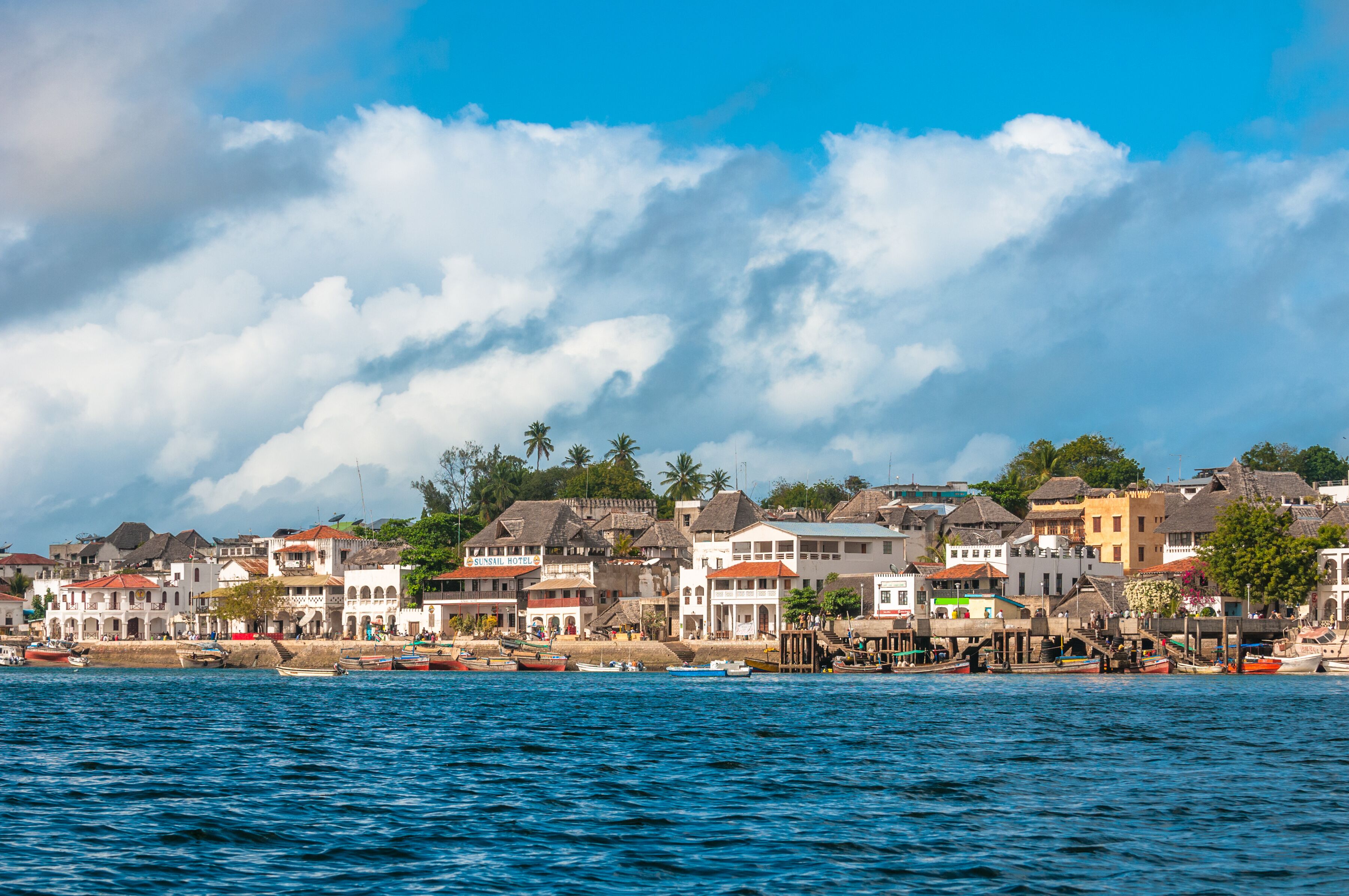
Lamu Island
A timeless Swahili sanctuary. A vehicle-free UNESCO world heritage island defined by intricate carved-stone architecture, narrow alleyways, and traditional dhows.
Master Logistics & Transport
First Mile: Airport to City Center Ground Connections
Transitioning from the arrival terminal straight into the city center is most efficiently handled through these specific transportation options:
- Jomo Kenyatta International (NBO) to Center: The absolute best, most modern option is using a verified rideshare app like Uber or Bolt via the airport's free Wi-Fi network. Drivers pick up at designated zone signs outside the terminals. Taking the elevated Nairobi Expressway directly from the airport cuts legendary traffic jams down to a seamless 15-20 minute drive into the central hotel district for roughly 1,200–1,500 KES (~$9–$12 USD including the toll fee).
- Wilson Airport (WIL) Bush Hub: Located much closer to the city center, this historic hub handles all domestic safari flights to the parks via airlines like Safarilink. Use a rideshare app for quick, easy 15-minute transfers between hotels.
- Madaraka Express (SGR Train): A clean, modern standard-gauge passenger train linking Nairobi to Mombasa daily through Tsavo National Park in just 5 scenic hours.
- Electronic Travel Authorization (eTA): All international travelers must apply online for the mandatory Kenyan eTA portal before booking flights to secure boarding approvals.
Navigating Through the Horizons
- Urban Ridesharing: On-demand ride networks operate safely, widely, and highly transparently inside major city limits like Nairobi and Mombasa.
- Matatu Culture: Colorful, loudly decorated public transit minibuses playing local music. They are an iconic cultural experience, but best navigated alongside a local guide.
- Chauffeured 4x4 Cruisers: Due to rough dirt corrugated tracks leading into national reserves, hiring a private vehicle with a professional driver-guide is the standard for safaris.
Currency & Mobile Banking (Kenyan Shilling - KES)
The official currency is the Kenyan Shilling (KES). While international credit cards are common at luxury safari camps, Kenya is a global leader in mobile money through M-Pesa. Most local vendors, craft markets, and taxi drivers prefer M-Pesa or physical cash over standard plastic cards. 1 USD ≈ 130 KES.
Essential Health Screenings
A valid Yellow Fever vaccination certificate is strictly inspected at immigration arrivals if traveling from or transiting through endemic countries. Malaria precaution tablets are highly recommended for safari zones.
Culinary Staples & Community Heritage
Iconic Traditional Flavors
- Nyama Choma: The definitive social dish. Slow-roasted, tender goat, beef, or chicken grilled over open hardwood coals, served with a fresh tomato-onion cilantro relish called kachumbari.
- Ugali & Sukuma Wiki: The true daily fuel of the nation. A dense, smooth cornmeal mash paired with masterfully shredded collard greens sautéed with onions and local spices.
- Coastal Swahili Biryani: A beautiful reflection of Indian Ocean trade heritage. Long-grain basmati rice layered with highly fragrant spices, coconut milk, and tender slow-simmered fish or beef.
Indigenous Guardians of the Savannah
With over 40 distinct ethnic groups, the heritage is beautifully rich. The iconic Maasai and Samburu communities maintain their proud, semi-nomadic pastoral lifestyles, welcoming conscious travelers to learn about traditional tracking, beadwork, and deep ancestral connections to wild lands.
Kenyan Coffee & Tea Estates
The rich volcanic soil of the central highlands produces some of the world's finest Arabica coffee beans and black teas. Taking a walking tour through historic, emerald-green tea gardens in Limuru offers a cool, fragrant escape from city streets.
Safety & Budget 2026
Daily Budget (USD / KES Framework)
Kenya accommodates a wide spectrum of spending, offering excellent, affordable urban apartments alongside ultra-exclusive, all-inclusive private safari reserves.
Independent Budget (City Airbnbs / SGR Rail Travel / Local Café Dining)$45 – $75 / day
All-Inclusive Luxury Eco-Safari (Fly-in Lodges / Conservancy Fees / Game Drives)$350 – $800 / day
Smart Security & Wildlife Etiquette
- Urban Awareness: Exercise standard situational awareness in dense cities like downtown Nairobi ("Nairobbery" is an outdated nickname, but pickpocketing persists). Avoid displaying luxury electronics on busy streets and always rely on verified rideshare apps after dark.
- Wilderness Safety: National parks are strictly unfenced. Never step out of your safari vehicle except at designated viewpoints, follow your expert guide's tracking commands silently, and never discard plastic waste in or near conservation reserves.