France

sunlit cafés, warm bread in hand, and a rhythm that invites you to slow down.

France is a premier global destination, presenting a unique fusion of deep historical roots, unparalleled artistic brilliance, and breathtaking natural splendor. As the most visited country in the world, it offers an impossibly rich tapestry of experiences. Whether you are navigating the romantic, cobblestone streets of Paris, cycling through the lavender fields of Provence, tasting world-class vintages in Bordeaux, or embracing the luxury of the French Riviera, this comprehensive guide covers every essential detail for a seamless and unforgettable journey.

Seasons & Adventure

Climate & Timing

  • Spring (Apr-Jun): Mild weather, blooming cherry blossoms, and fewer crowds. Ideal for sightseeing.
  • Summer (Jul-Aug): Hot weather, peak festival season, and crowded Mediterranean beaches. Note: Many locals take vacation in August.
  • Autumn (Sep-Nov): Mild temperatures, spectacular grape harvests in wine regions, and vibrant fall foliage.
  • Winter (Dec-Mar): Magical Christmas markets in Alsace and world-class Alpine skiing in Chamonix.

Outdoor Pursuits

France’s diverse geography makes it an outdoor enthusiast's paradise:

  • Cycling: Ride portions of the iconic Tour de France routes or take leisurely pedals through the Loire Valley.
  • Mountaineering & Skiing: Tackle Mont Blanc, the highest peak in the Alps, offering premier winter sports.
  • Coastal Sports: Enjoy sailing, windsurfing, and paddleboarding along the glittering Côte d'Azur and rugged Brittany coast.

Major Cities to Explore

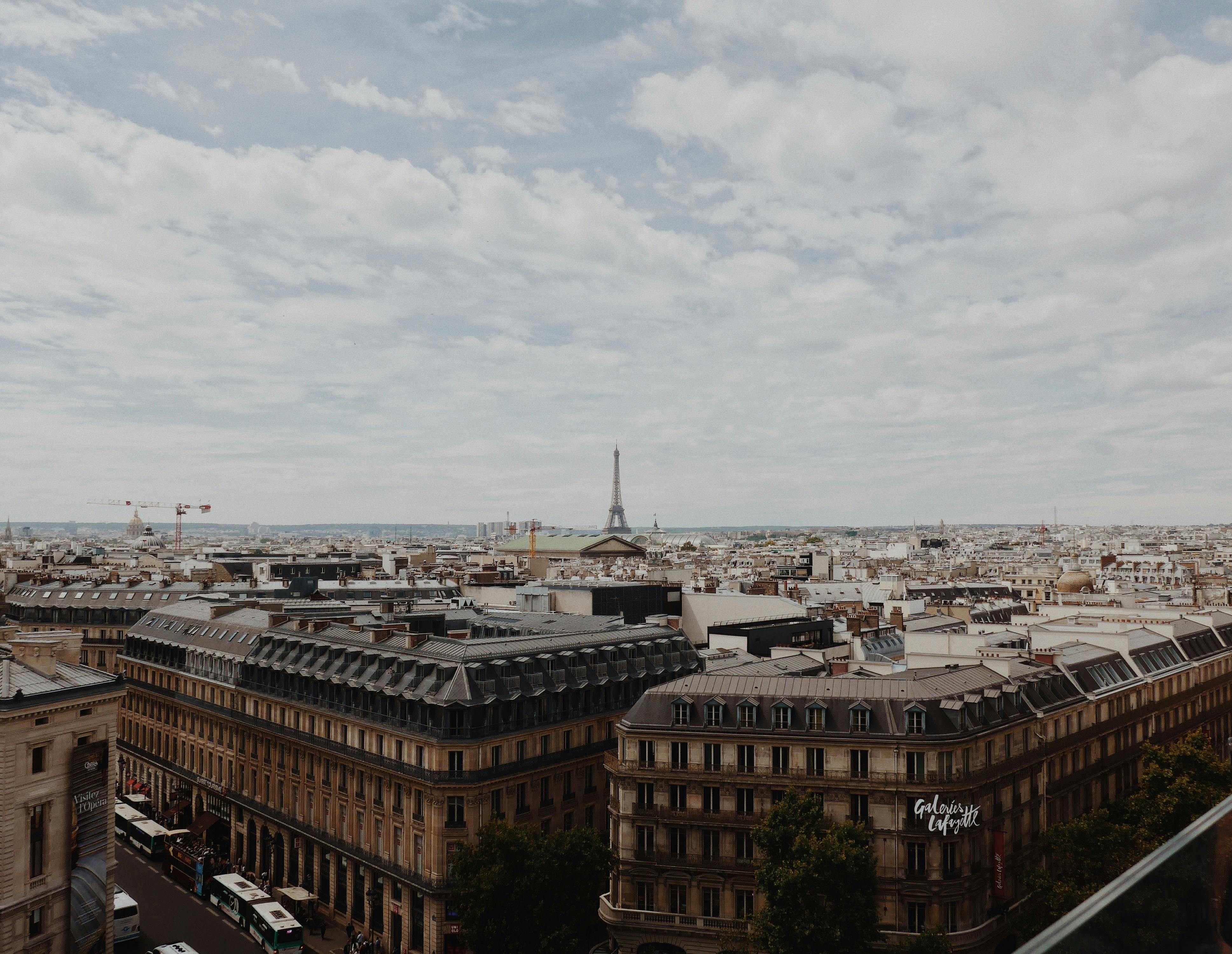
Paris

Paris

The iconic capital of art, fashion, and history. Wander along the Seine, explore world-renowned museums like the Louvre, and experience a thriving culinary scene beneath the shadow of the Eiffel Tower.

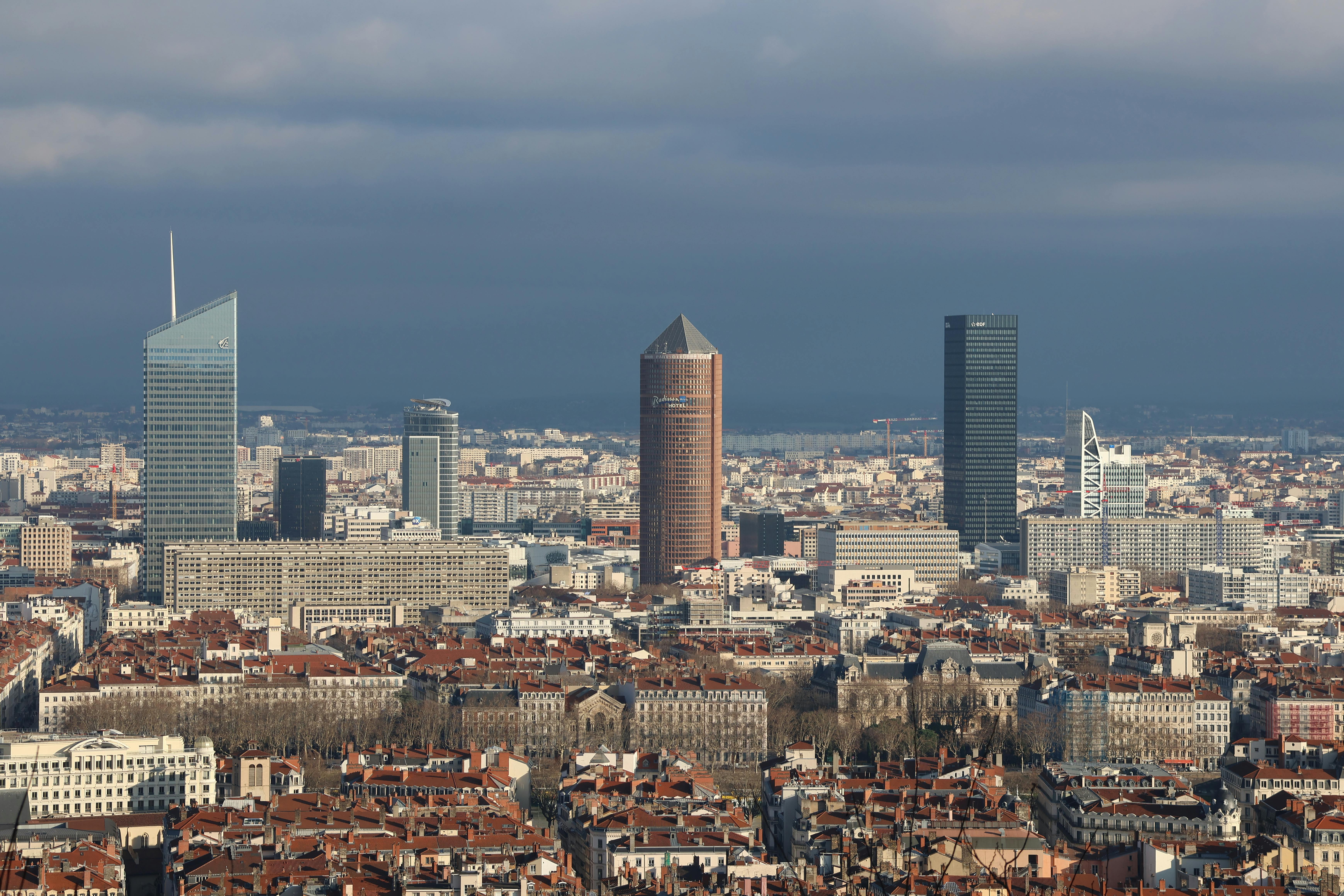
Lyon

The undisputed gastronomic capital of France. Famous for traditional "bouchons" (local eateries), beautifully preserved Renaissance architecture, and the fascinating hidden "traboules" passageways.

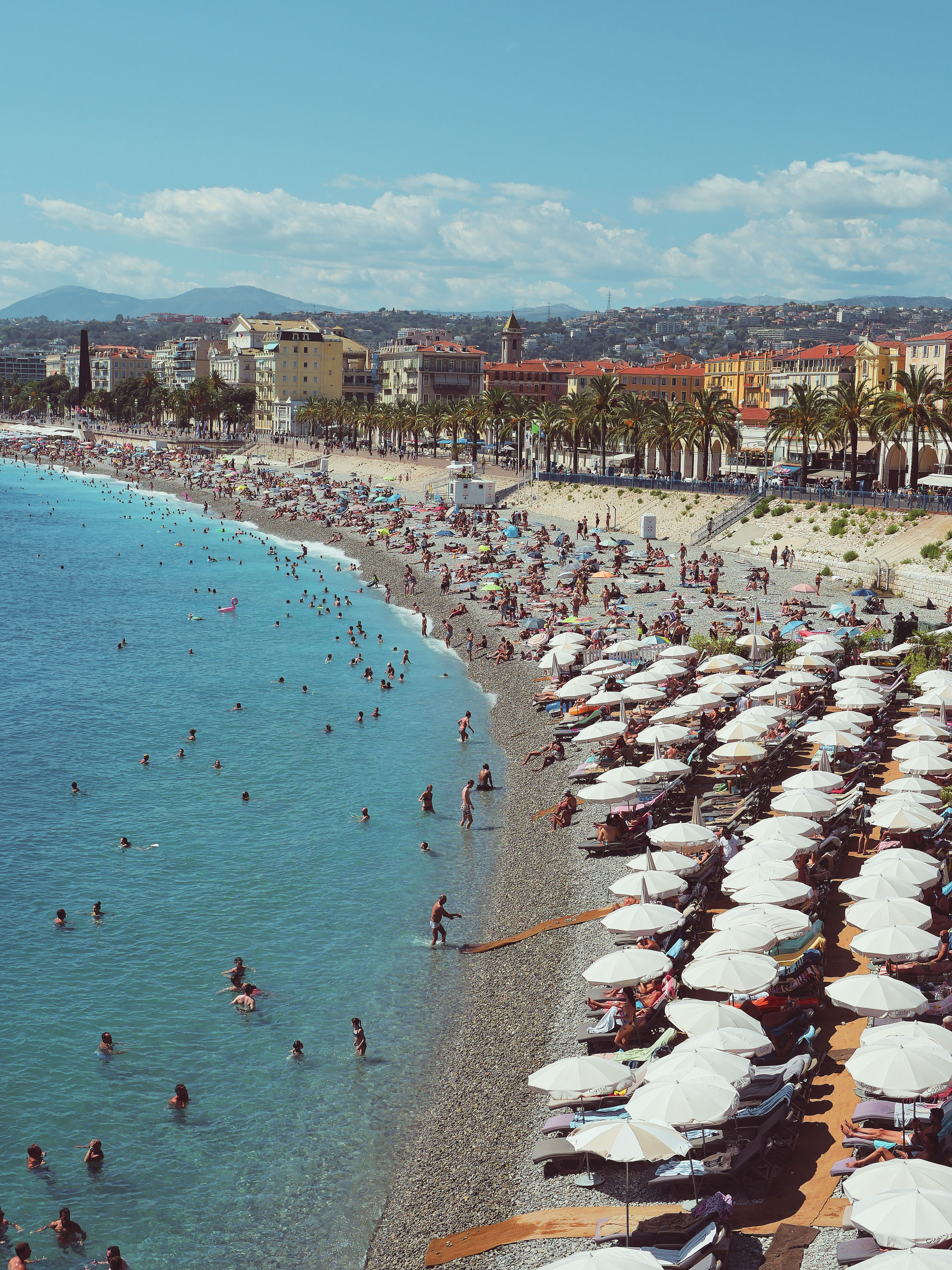
Nice

The glamorous capital of the Riviera. Boasting stunning pebble beaches, the legendary Promenade des Anglais, vibrant local markets, and year-round Mediterranean sunshine.

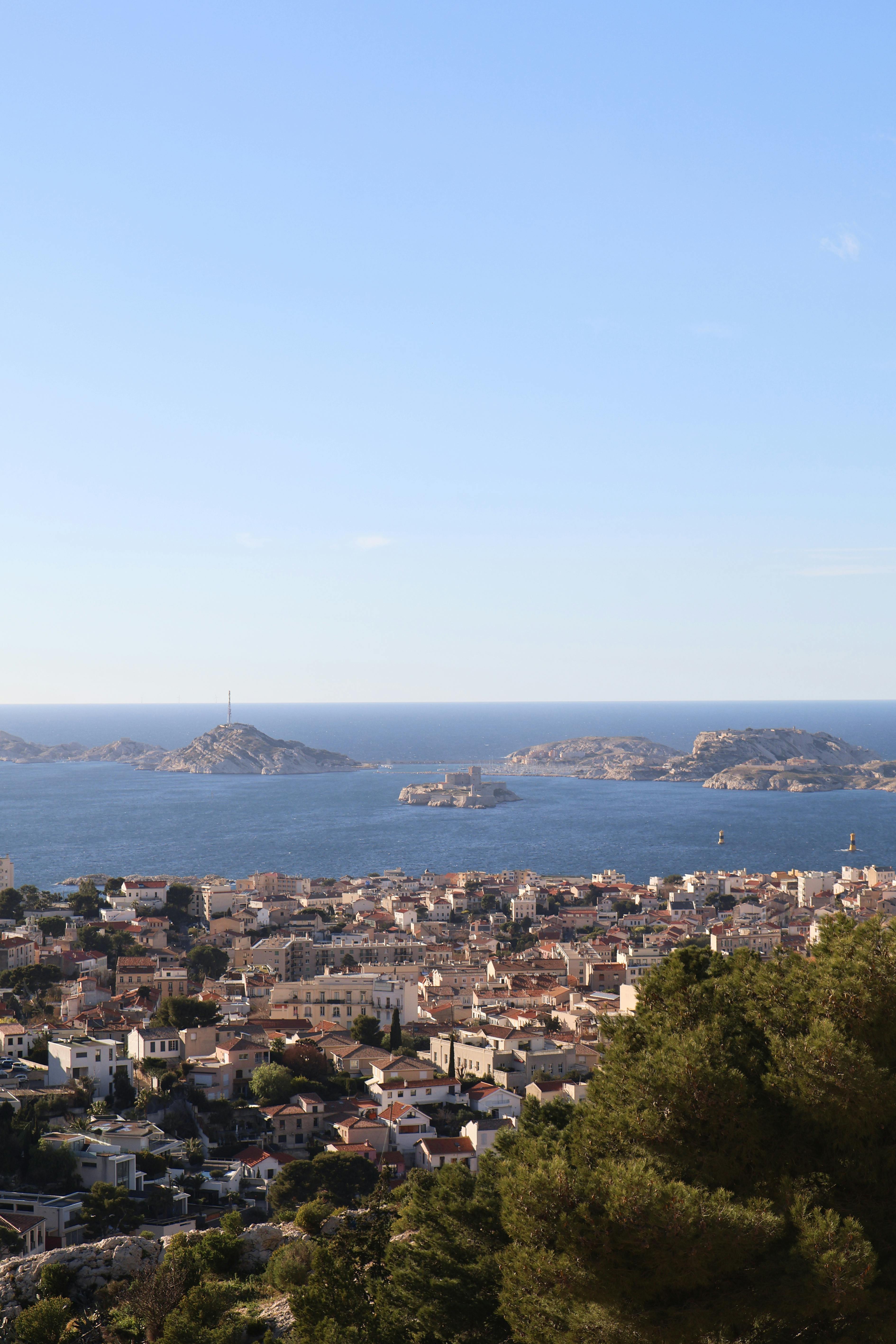
Marseille

France's oldest and most culturally diverse city. A lively port town with a rugged edge, famous for its historic Vieux-Port, the striking Basilique Notre-Dame de la Garde, and nearby Calanques.

Bordeaux

Bordeaux

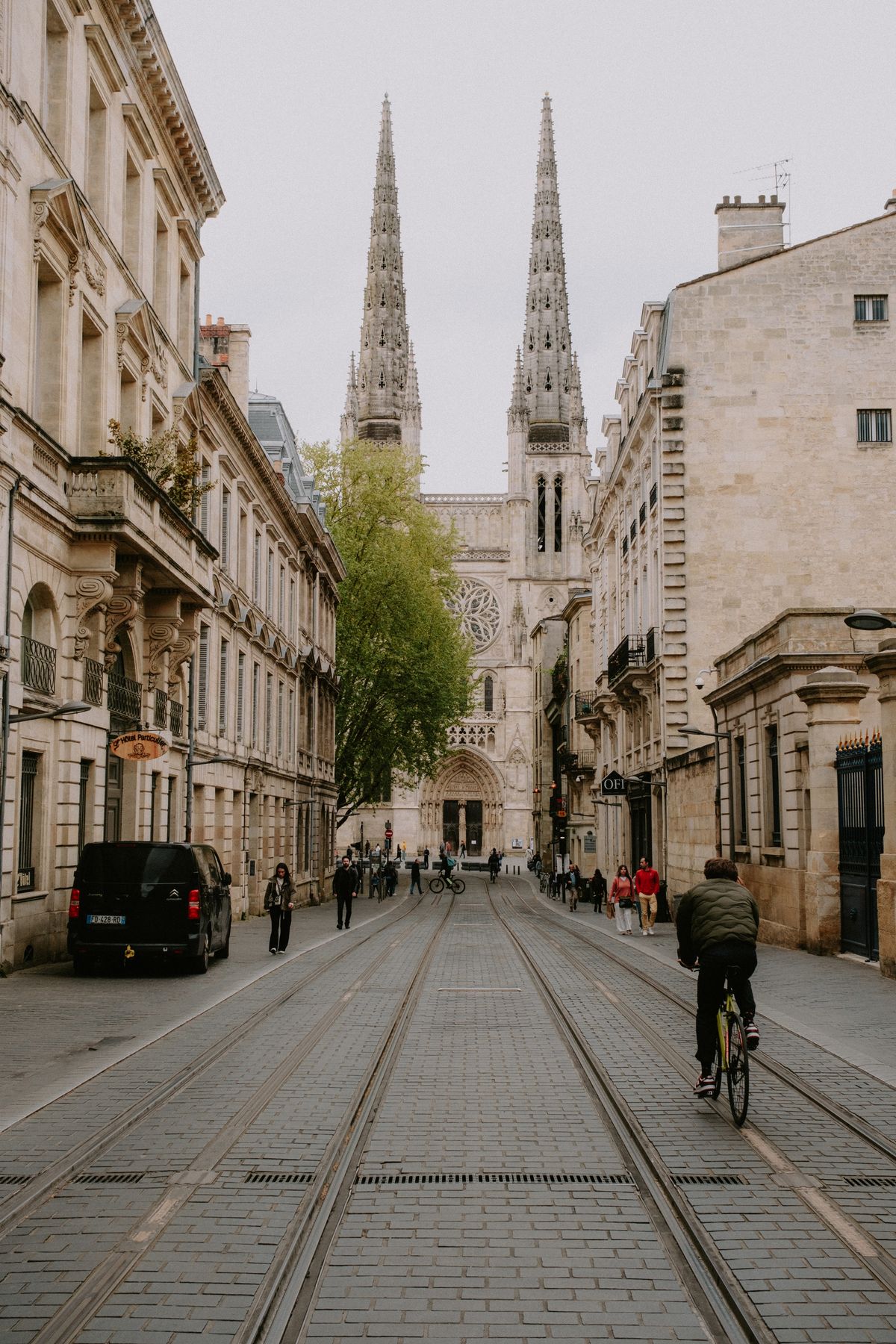
The global wine capital. Marvel at the elegant 18th-century architecture, visit the immersive Cité du Vin museum, and use the city as a launchpad for tours of world-renowned vineyard estates.

Strasbourg

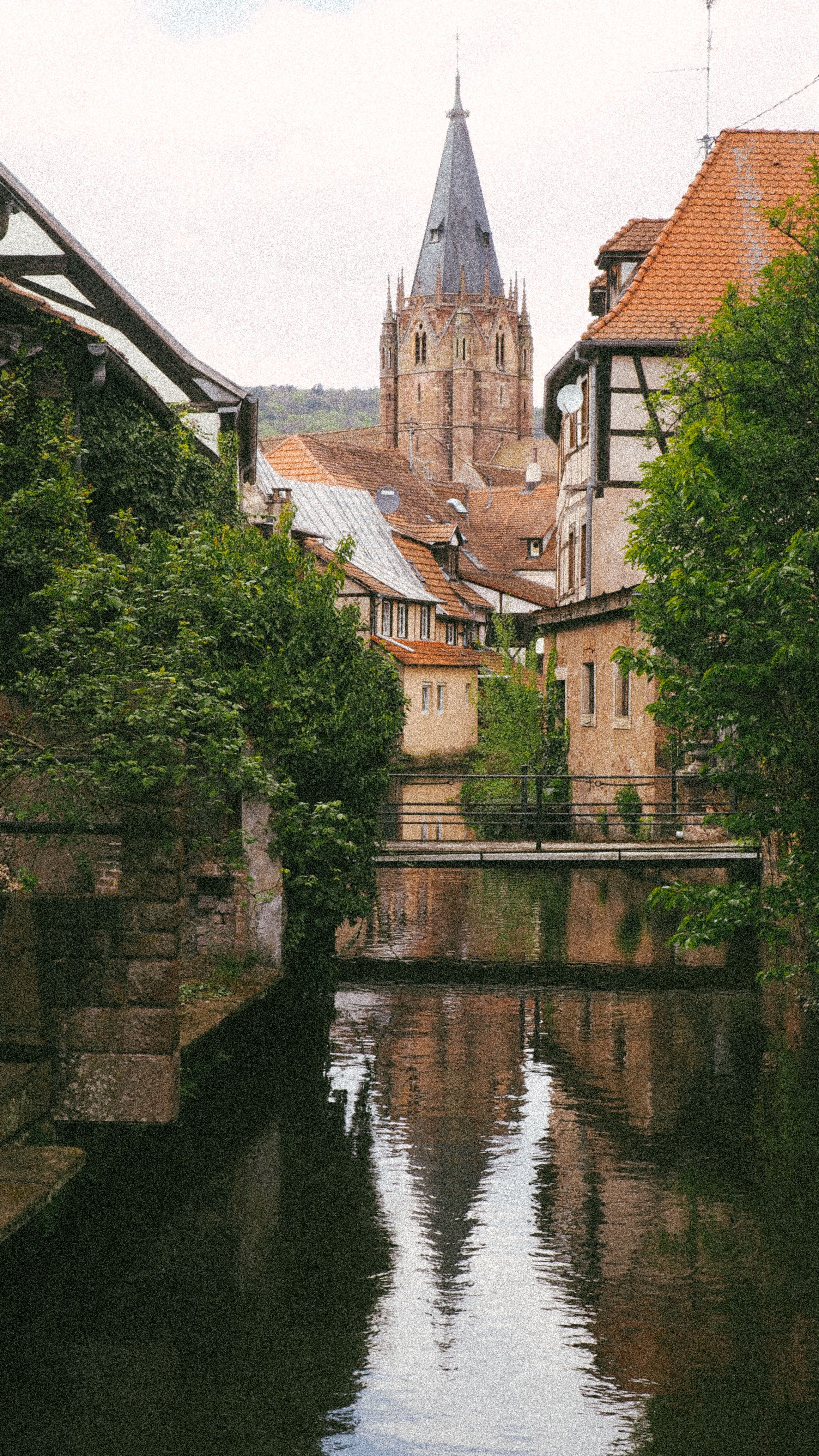
A beautiful blend of French and German cultures in the Grand Est region. Renowned for its stunning Gothic Cathedral, the picturesque La Petite France district, and Europe's oldest Christmas market.

Culture, Food & Etiquette

Cultural Immersion

  • Art & Museums: The Louvre and Musée d'Orsay house unrivaled collections, from ancient Egyptian antiquities to the finest Impressionist masterpieces.
  • Royal Heritage: The Palace of Versailles and the Châteaux of the Loire Valley showcase the staggering opulence of France's historical monarchy.
  • Regional Gastronomy: French food is incredibly diverse. Try Bouillabaisse in Marseille, Coq au Vin in Burgundy, and delicate Crêpes in Brittany.
  • Historical Marvels: Step back in time at Carcassonne (a fully fortified medieval city) or Mont Saint-Michel (an iconic island abbey).

Local Etiquette

Politeness is highly valued in France. Always say "Bonjour" (Good day) or "Bonsoir" (Good evening) when entering a shop or interacting with staff. When dining, the bill will not be brought until you ask for it ("L'addition, s'il vous plaît"). Service is included by law, but leaving a small coin tip for exceptional service is appreciated.

Safety & Advisories

General Cautions

US State Dept: Level 2 (Exercise Increased Caution). Pickpocketing and phone theft are highly common in tourist-heavy areas, public transit (like the Paris Metro), and major train stations. Always keep valuables secure and out of sight.

Protests & Strikes

Demonstrations (manifestations) and transit strikes (grèves) occur frequently. While usually peaceful and highly organized, police may deploy tear gas. Check local news and avoid large gathering areas if protests are planned.

Women & LGBTQ+ Travelers

Women: Rated Good. Primarily safe, but standard big-city precautions apply. Stay alert for drink-spiking in nightlife districts and ignore catcalling.
LGBTQ+: Rated Excellent. France is highly progressive; marriage equality is protected by law, and cities like Paris, Nice, and Montpellier have thriving, welcoming queer scenes.

Logistics, Transit & Health

Getting Around

France features an exceptional public transport network. The TGV (High-Speed Train) connects major cities quickly (e.g., Paris to Lyon in 2 hours). Book train tickets well in advance via SNCF for the best rates. Within cities, the Metro/Tram systems are cheap and highly efficient. Renting a car is only recommended if exploring deep countryside regions like Provence or Normandy.

Accommodation Costs

Average estimated per-night costs in major cities:

Hostels / Budget €30 – €80
Mid-Range Hotels €130 – €280
Luxury / Palace €600 – €3,000+

*Prices routinely spike 150-300% during the Paris Fashion Week, July-August, and Christmas.

Health & Entry

  • Visa: Citizens of the US, UK, CA, and AU can enter visa-free for up to 90 days for tourism (Schengen Zone rules apply). Beginning in late 2025/2026, the ETIAS pre-authorization will be required.
  • Healthcare: French healthcare is world-class. Typical out-of-pocket costs for foreigners: Doctor Visit (€25 – €70), ER Visit (€100+).
  • Insurance: Comprehensive travel insurance with at least $100k medical and $250k medical evacuation coverage is strongly advised.

Global Visa Explorer 2026 LIVE

Instant travel requirements for 150+ world destinations.

STATUS

Travel Info

DURATION -
IMPORTANT INFO Select countries to view 2026 travel details.

Frequently asked questions

about France

Do I need to speak French to travel comfortably in France?

Not necessarily, but it helps more than people expect. In cities like Paris, many people speak English, especially in hotels, restaurants, and tourist areas. However, starting with a simple “Bonjour” before switching to English is considered polite and often results in friendlier service. You do not need fluency, just a small effort makes a noticeable difference.

How exactly do metro and bus tickets work in Paris?

In Paris, the old paper tickets are called “Ticket t+”, but they are being phased out. The easiest option now is the Navigo Easy card, a small reusable card that you load with tickets. You can also use the Île-de-France Mobilités app to store tickets digitally on your phone. Important detail, you must validate your ticket at entry and keep it until you exit, as random checks do happen.

Can I just tap my credit card to enter the metro or bus?

Sometimes, but not everywhere yet. Paris is slowly rolling out contactless tap systems, but it is not fully universal like in London. In many stations, you cannot rely on tapping your bank card directly. Instead, you load tickets onto a Navigo Easy card or your phone. Contactless payment does work at ticket machines, so you can quickly buy tickets using Visa or Mastercard.

Which payment methods are actually accepted in France?

Most places accept Visa and Mastercard without any issues, including contactless payments. Apple Pay and Google Pay are also widely supported. However, American Express is less consistently accepted, especially in smaller shops or cafés. Carrying a small amount of cash is still useful, but for most travelers, card payments cover almost everything.

What is better in France, Uber or regular taxis?

Uber works very well in cities like Paris and is usually cheaper and easier to use than traditional taxis. You get upfront pricing, in app payment, and live tracking. Regular taxis can still be useful, especially from taxi stands or airports, but pricing can vary more. Most travelers default to Uber for convenience and predictability.

What is the best way to get from the airport into the city?

From the main Paris airport, the most common option is the RER B train, which connects directly to the city center and is both fast and affordable. Tickets can be bought at machines using card or cash. Uber and taxis are available, but they are significantly more expensive. A lot of travelers choose train for daytime arrival and Uber if arriving late at night or with heavy luggage.

Arrive Well Rested with the New Serenity 2 Sleep Mask

Designed for total darkness and uninterrupted sleep.

Shop now
Customer Favorites
Customer Favorites

Customer Favorites

On-the-Go Essentials

On-the-Go Essentials

Tech for Travel
Tech for Travel

Tech for Travel

Travel Comfort
Travel Comfort

Travel Comfort

Smart Packing
Smart Packing

Smart Packing

Travel Made Simple

At Jetvance, we’re a Belgium-based team focused on making travel easier through smart products and useful information. We create tools that simplify the way you plan, organize, and experience your trips. Alongside our products, we provide clear and practical insights about destinations and travel in general, helping you feel more prepared wherever you go. With Jetvance, everything you need to travel smarter is in one place.

Check Out Our Products