Austria Travel Guide 2026 Vienna, Alps and Culture

Explore Austria alpine scenery, Vienna culture, and historic towns. Discover top attractions and travel tips for your 2026 visit.

Austria is a symphony of imperial grandeur and pristine nature. In 2026, it remains the pinnacle of European refinement, where you can move from a world class opera performance in a gilded hall to a silent, snow capped peak in just a few hours. Whether you are following the footsteps of Mozart in Salzburg or hiking the high trails of Tyrol, Austria offers a standard of quality in its food, its transport, and its hospitality that is rarely matched. This guide provides the insights to navigate its deep rooted traditions and legendary landscapes.

Seasonal Planning

The Best Timing

  • Summer (June to August): Perfect for Alpine hiking and the Salzburg Festival. The lakes like Wolfgangsee are warm enough for swimming, though this is peak tourist season.
  • Autumn (September to October): The Almabtrieb season, where cows are brought down from mountain pastures in festive parades. The air is crisp, and the vineyards near Vienna are golden.
  • Winter (December to March): Austria is a world leader in skiing. Christmas markets in Vienna and Innsbruck are unparalleled, peaking in late December.
  • Spring (April to May): Blossoms in the valleys while there is still snow on the peaks. A quiet, more affordable time for city sightseeing.

Alpine Awareness

Weather in the Alps can change in minutes. Even in 2026, mountain safety is paramount. If hiking or skiing, always check the local ZAMG forecasts. Temperatures can drop by 10 degrees Celsius just by taking a cable car to a higher station, so high quality technical layers are essential year round.

The Regional Divide: Imperial East vs. Alpine West

Navigating the Two Souls of Austria

Austria is divided by its topography and history into two very different experiences. The East (Vienna and Lower Austria) is dominated by the Danube and the legacy of the Habsburg Empire. Vienna is a sprawling, sophisticated metropolis where the pace is dictated by coffee house culture and imperial etiquette. The landscape is flatter, filled with rolling vineyards and baroque palaces. Here, the focus is on intellectual history, classical music, and a uniquely Viennese sense of Gemütlichkeit or coziness.

As you move West (Tyrol, Vorarlberg, and Salzburg), the mountains take over. This is the Austria of postcards featuring towering limestone peaks, crystal clear lakes, and chalets with flower filled balconies. The culture here is more rugged and connected to the outdoors. Dialects become thicker, and traditional Tracht including Lederhosen and Dirndls is often worn not for tourists, but as a genuine expression of local pride. In 2026, the contrast between the polished marble of Vienna and the rough timber of a Tyrolean mountain hut remains the country greatest charm.

Major Destinations

Vienna

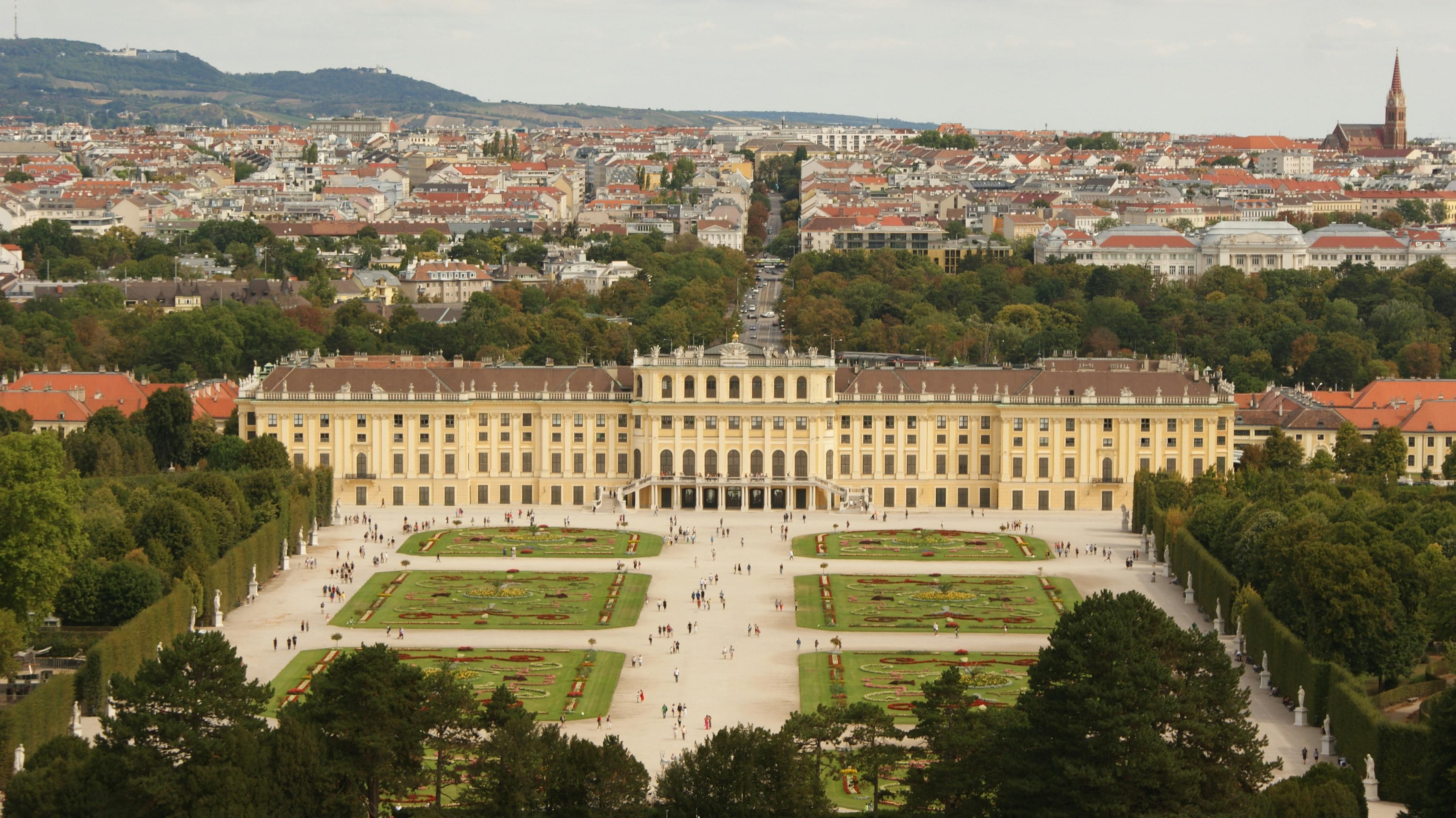
Vienna

The city of music and dreams. Visit the Schönbrunn Palace, St. Stephen Cathedral, and the legendary traditional coffee houses.

Salzburg

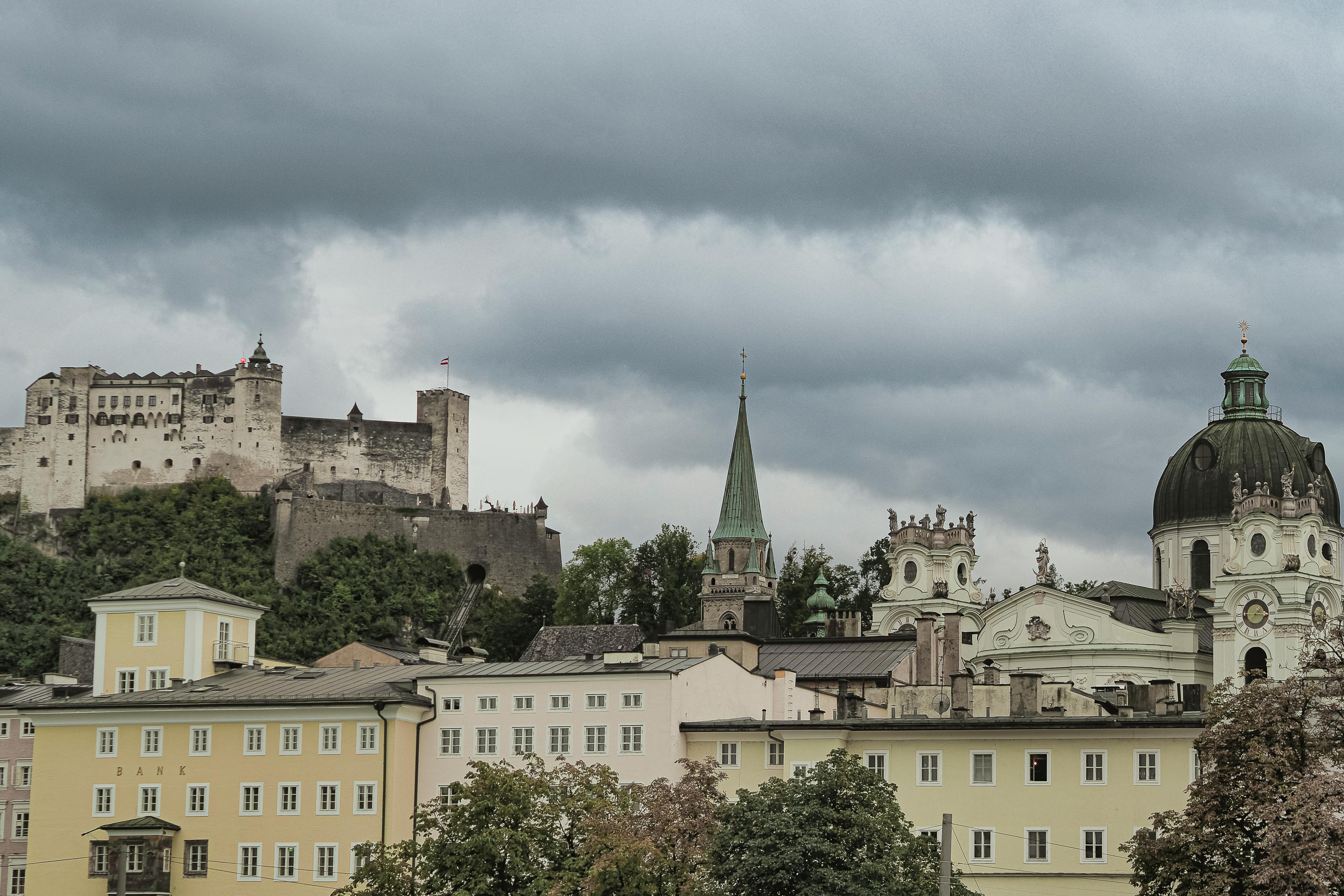
Salzburg

Mozart birthplace and the setting for The Sound of Music. Its baroque Old Town is a UNESCO masterpiece tucked beneath a fortress.

Innsbruck

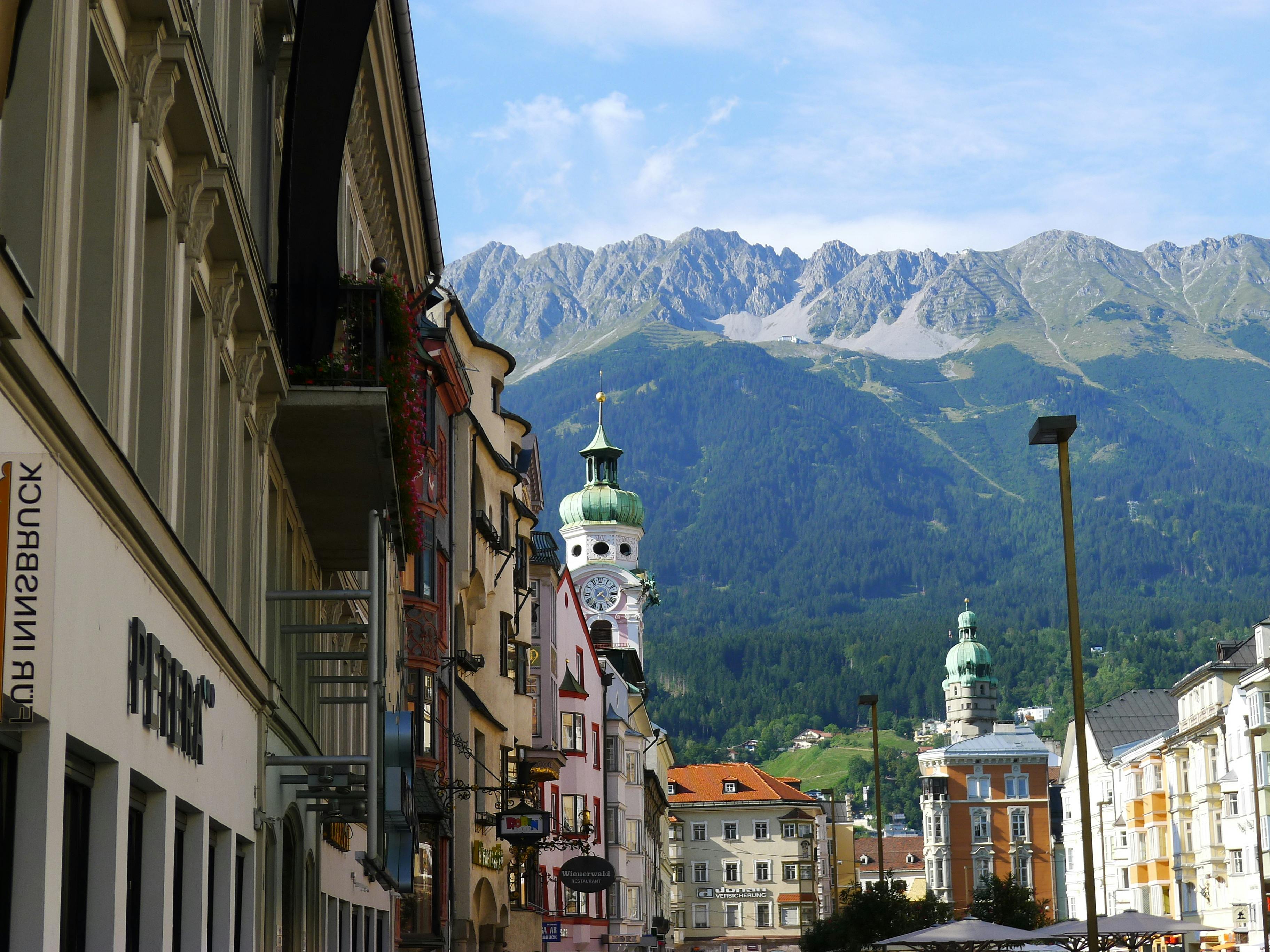
Innsbruck

The capital of the Alps. A colorful city surrounded by dramatic mountains, famous for its Golden Roof and world class winter sports.

Hallstatt

Hallstatt

Possibly the most beautiful lakeside village in the world. Visit early in the morning to beat the 2026 day trip crowds.

Zell am See

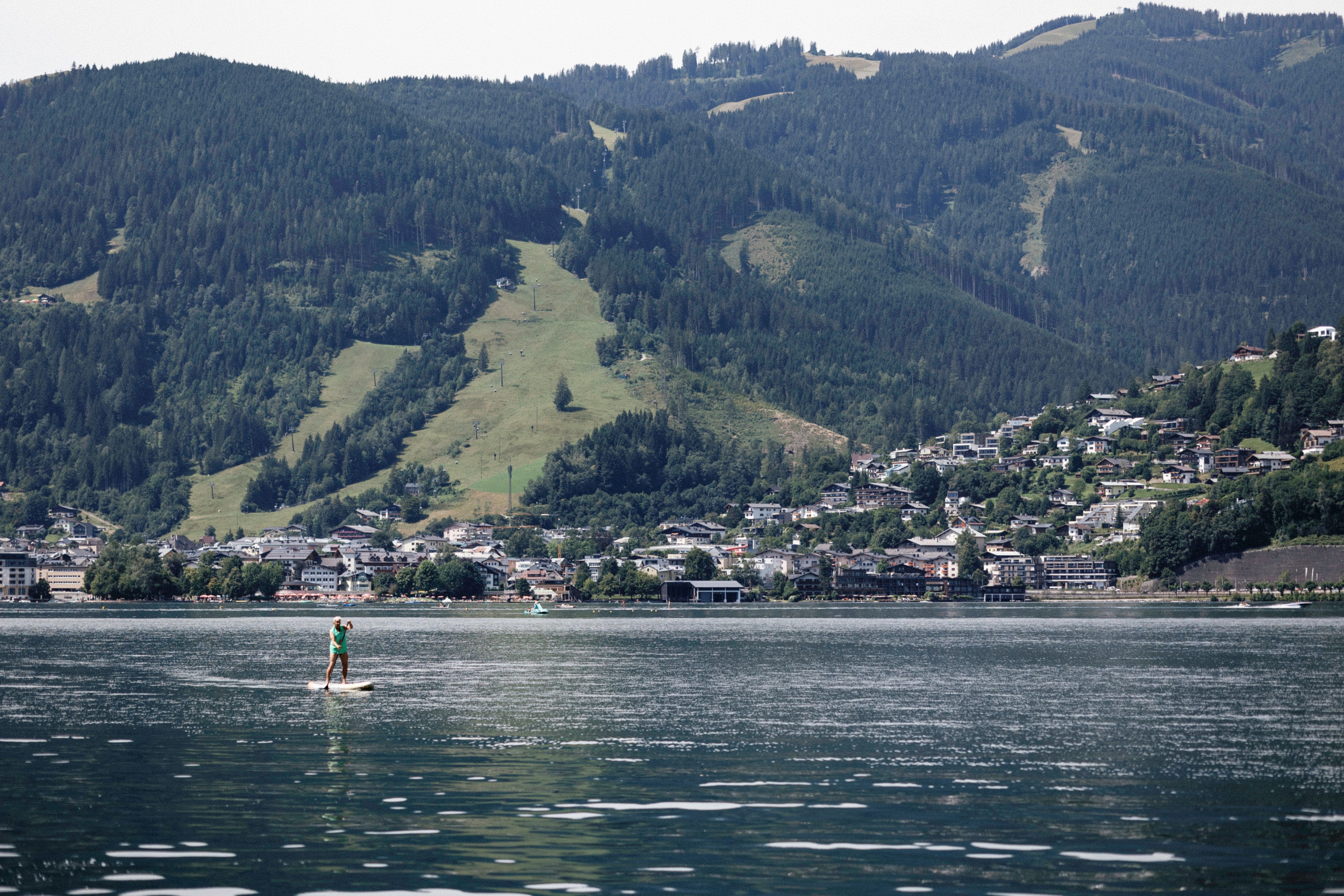
Zell am See

A stunning combination of a blue lake and the glacier topped Kitzsteinhorn mountain. Perfect for year round adventure.

Graz

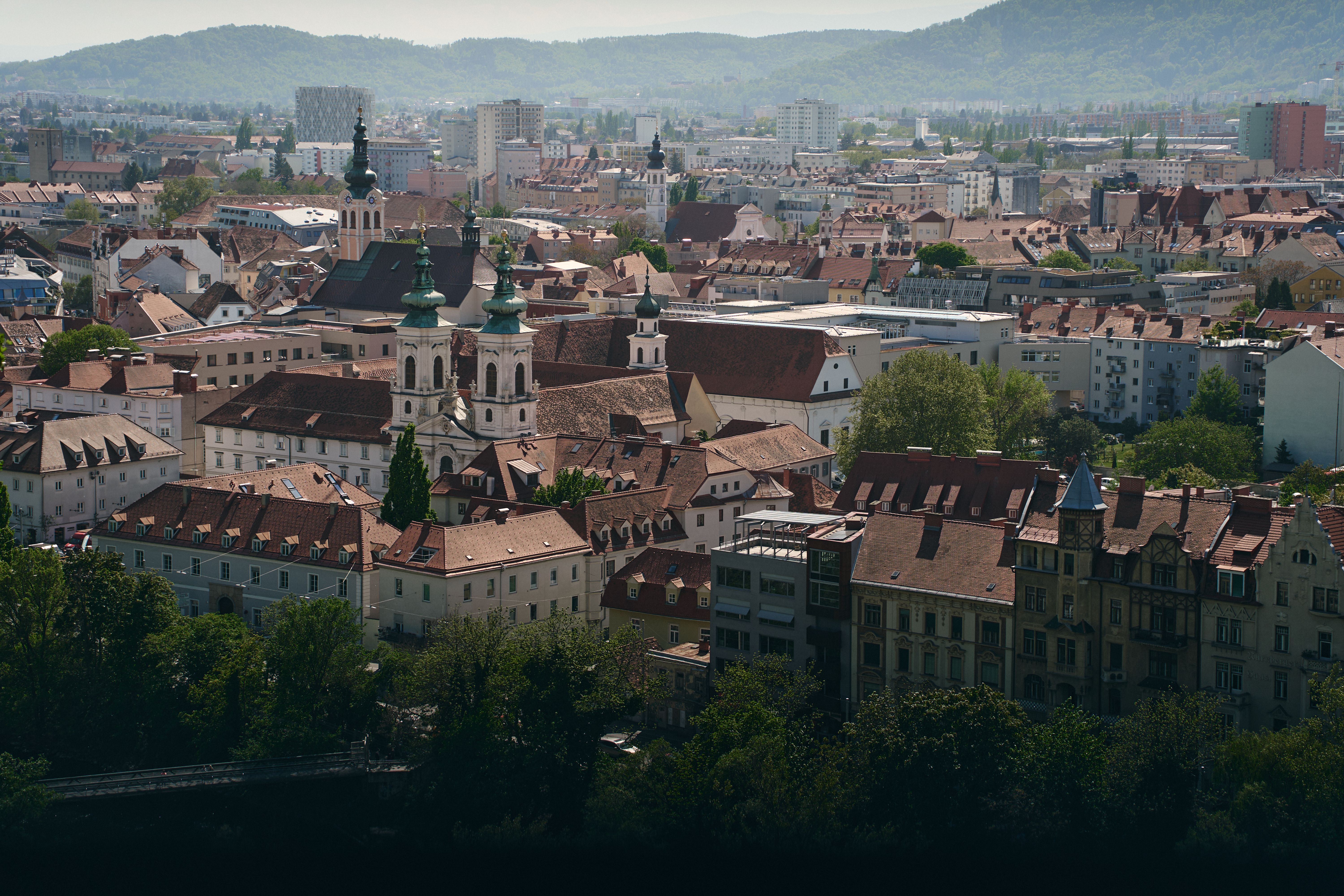
Graz

Austria Culinary Capital. A relaxed, student filled city with a Renaissance heart and a Mediterranean feel.

Culture, Food and Etiquette

The Coffee House and Beyond

Austrian social life revolves around high standards and quiet politeness. In 2026, the Viennese Coffee House remains a living room for locals, protected by UNESCO status.

  • Coffee House Rules: You can stay as long as you want with a single cup of coffee. The waiter or Herr Ober may seem formal or grumpy as part of the tradition. Do not wave; catch their eye.
  • Table Manners: Keep your hands on the table, not in your lap. When toasting, look the other person directly in the eye and say Prost. Failure to make eye contact is considered bad luck.
  • Cash is Common: While credit cards are accepted in cities, many mountain huts and small cafes in 2026 still only take cash. Always have Euros on you.
  • Dining Staples: Try the Wiener Schnitzel using veal or Kalb, Sachertorte, and the mountain favorite Kaiserschmarrn or shredded pancakes.

Transport and Logistics

Getting Around

  • Vienna Airport (VIE): The City Airport Train or CAT is the fastest taking 16 minutes, but the S7 S-Bahn is much cheaper and nearly as fast.
  • Railjet: The OBB Railjet is the high speed pride of Austria. It is incredibly comfortable and features stunning views on routes like the Semmering Railway.
  • Klimaticket: In 2026, look for tourist versions of the Climate Ticket which offers flat rate travel on all public transport across the country.
  • Mountain Cable Cars: Most are integrated into local tourism cards like the Jochberg Card which often make rides free if you stay in local hotels.

Validation

In cities like Vienna, there are no turnstiles. You must validate your ticket at the blue or orange boxes before entering the platform. Fines are steep and non-negotiable.

The Vignette

If driving on the Autobahn, you MUST have a digital or sticker Vignette on your windshield. Without it, the heavy fines are automated and caught by cameras.

Safety and Local Rules

Cow Safety

When hiking through Alpine pastures, stay away from the cows, especially those with calves. Do not try to pet them or use selfie sticks near them. They are protective and can be dangerous if startled.

Sunday Closures

Like Germany, nearly all shops and supermarkets are closed on Sundays. In 2026, only bakeries and shops inside major train stations remain open. Plan your shopping by Saturday evening.

Costs and Health Essentials

Daily Budget

Budget / Hostel €50 to €90
Mid-Range Hotel €150 to €280
Luxury Boutique €450 to €1,800+

Entry and Health

  • ETIAS: Mandatory for non-EU travelers starting in 2026.
  • Mountain Rescue: Ensure your travel insurance covers Alpine Rescue. Standard policies often exclude helicopter transport from ski slopes.
  • Water: Tap water is world class mountain spring water where bottled water is a waste of money.

Global Visa Explorer 2026 LIVE

Instant travel requirements for 150+ world destinations.

STATUS

Travel Info

DURATION -
IMPORTANT INFO Select countries to view 2026 travel details.

Frequently asked questions

about France

Do I need to speak French to travel comfortably in France?

Not necessarily, but it helps more than people expect. In cities like Paris, many people speak English, especially in hotels, restaurants, and tourist areas. However, starting with a simple “Bonjour” before switching to English is considered polite and often results in friendlier service. You do not need fluency, just a small effort makes a noticeable difference.

How exactly do metro and bus tickets work in Paris?

In Paris, the old paper tickets are called “Ticket t+”, but they are being phased out. The easiest option now is the Navigo Easy card, a small reusable card that you load with tickets. You can also use the Île-de-France Mobilités app to store tickets digitally on your phone. Important detail, you must validate your ticket at entry and keep it until you exit, as random checks do happen.

Can I just tap my credit card to enter the metro or bus?

Sometimes, but not everywhere yet. Paris is slowly rolling out contactless tap systems, but it is not fully universal like in London. In many stations, you cannot rely on tapping your bank card directly. Instead, you load tickets onto a Navigo Easy card or your phone. Contactless payment does work at ticket machines, so you can quickly buy tickets using Visa or Mastercard.

Which payment methods are actually accepted in France?

Most places accept Visa and Mastercard without any issues, including contactless payments. Apple Pay and Google Pay are also widely supported. However, American Express is less consistently accepted, especially in smaller shops or cafés. Carrying a small amount of cash is still useful, but for most travelers, card payments cover almost everything.

What is better in France, Uber or regular taxis?

Uber works very well in cities like Paris and is usually cheaper and easier to use than traditional taxis. You get upfront pricing, in app payment, and live tracking. Regular taxis can still be useful, especially from taxi stands or airports, but pricing can vary more. Most travelers default to Uber for convenience and predictability.

What is the best way to get from the airport into the city?

From the main Paris airport, the most common option is the RER B train, which connects directly to the city center and is both fast and affordable. Tickets can be bought at machines using card or cash. Uber and taxis are available, but they are significantly more expensive. A lot of travelers choose train for daytime arrival and Uber if arriving late at night or with heavy luggage.

Arrive Well Rested with the New Serenity 2 Sleep Mask

Designed for total darkness and uninterrupted sleep.

Shop now
Customer Favorites
Customer Favorites

Customer Favorites

On-the-Go Essentials

On-the-Go Essentials

Tech for Travel
Tech for Travel

Tech for Travel

Travel Comfort
Travel Comfort

Travel Comfort

Smart Packing
Smart Packing

Smart Packing

Travel Made Simple

At Jetvance, we’re a Belgium-based team focused on making travel easier through smart products and useful information. We create tools that simplify the way you plan, organize, and experience your trips. Alongside our products, we provide clear and practical insights about destinations and travel in general, helping you feel more prepared wherever you go. With Jetvance, everything you need to travel smarter is in one place.

Check Out Our Products