Botswana Travel Guide 2026 – Desert Deltas, Salt Pans & Wilderness Luxury
Botswana is known for the unique Okavango Delta, where a river floods into the Kalahari Desert, creating an unmatched oasis for massive elephant herds. Travel interest focuses on high-end luxury eco-safaris, boat-based game viewing, and pristine wilderness exploration in 2026.
In 2026, Botswana stands unrivaled as Africa's premier model for sustainable, low-impact, and hyper-exclusive wild eco-tourism. Botswana is known for the unique Okavango Delta, where a river floods into the Kalahari Desert, creating an unmatched oasis for massive elephant herds. Travel interest focuses on high-end luxury eco-safaris, boat-based game viewing, and pristine wilderness exploration in 2026, sweeping sophisticated travelers away on scenic light-aircraft flights over vibrant alluvial networks, traditional dugout canoe channels, and blindingly white, extraterrestrial desert salt flats.
Seasonal Planning
Best Times to Visit
- Dry Peak Flood Season (May – September): The ultimate window for exploring the delta. While the surrounding desert is dry, glacial floodwaters from Angola fill the delta channels, drawing massive concentrations of wildlife.
- Mekoro Canoe Peak (June – August): Water levels reach optimal depths, opening up the labyrinthine papyrus channels for safe, silent dugout canoe safaris.
- The Kalahari Zebra Migration (November – April): The arrival of summer rains transforms the arid desert pans into rich grasslands, triggering Africa’s longest continuous zebra migration.
- The Green/Deception Season (December – March): Characterized by hot summer afternoons and dramatic tropical thunderstorms. Excellent for bird-watching and spotting newborn plains game, with lower luxury lodge rates.
Climate Note
Botswana features a largely subtropical, semi-arid desert climate. Winter days (May to August) are beautifully clear, sunny, and warm (22°C - 26°C), but nighttime temperatures regularly plummet to freezing (0°C). October brings blistering, dry heat waves that routinely top 40°C.
From Flooded Alluvial Oases to Cosmic Salt Plains
Top Eco-Luxury & Wilderness Journeys 2026
Navigating between these remote, pristine eco-concessions is almost exclusively optimized via chartered light aircraft or custom-built 4x4 safari cruisers operating out of regional transit hubs.
- Traditional Mokoro Gliding: Sit back as a local expert poles a fiberglass or wooden dugout canoe through crystal-clear water lilies and papyrus reeds.
- Chobe Riverfront Boat Cruise: Float safely alongside hundreds of swimming elephants, massive pods of hippos, and stealthy crocodiles at sunset.
- Makgadikgadi Quad Bike Trek: Ride across the vast, silent, and empty white salt pans to sleep under an uninterrupted blanket of the southern night sky.
- Moremi Game Reserve Track: Navigate rugged wetlands and dry woodland islands known for supporting high densities of African wild dogs and leopards.
- Kalahari San Bushmen Walk: Join indigenous trackers for a gentle educational walk to learn ancient desert survival skills and traditional tracking methods.
- Savute Channel Predator Drive: Explore a mysterious, historically shifting river channel famous for its highly competitive lion prides and hyena clans.
6 Essential Destinations
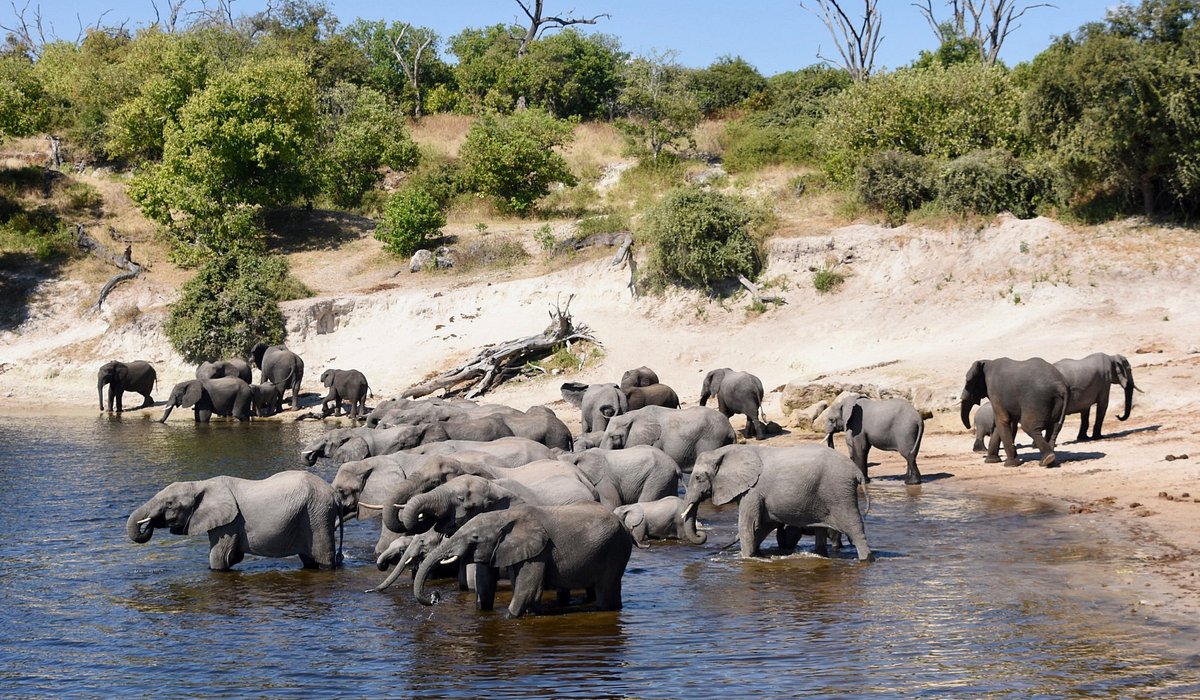
Maun
The bustling safari capital. A dusty, vibrant frontier town serving as the primary aviation staging point for chartered light aircraft flying into the delta.
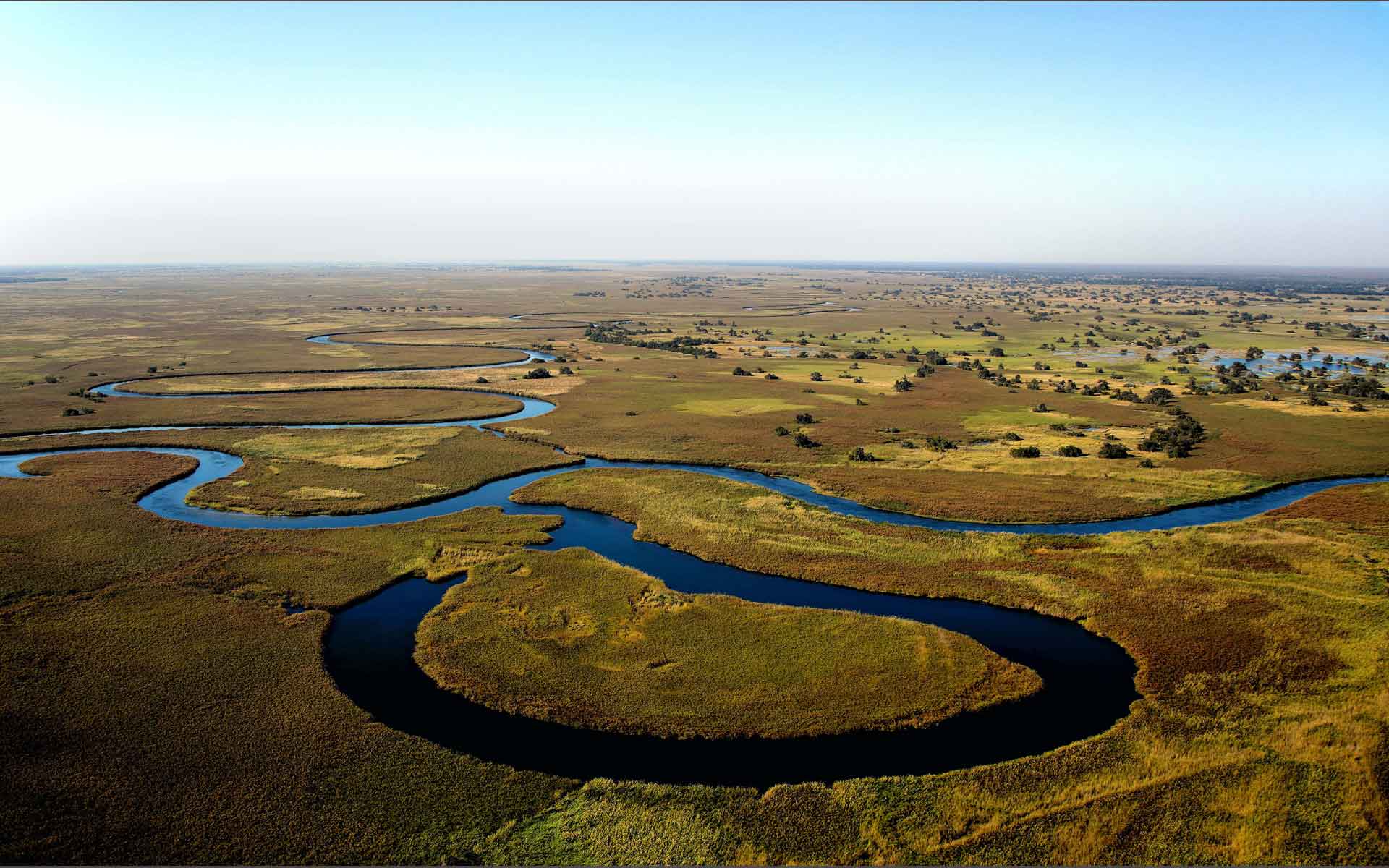
Okavango Delta
The world's largest inland oasis. A breathtaking UNESCO World Heritage wetland where dynamic floodwaters meet the sand, creating an emerald paradise.

Chobe National Park
The land of giants. Home to Earth’s highest concentration of African elephants, best viewed from modern riverboats or open 4x4 safari vehicles.
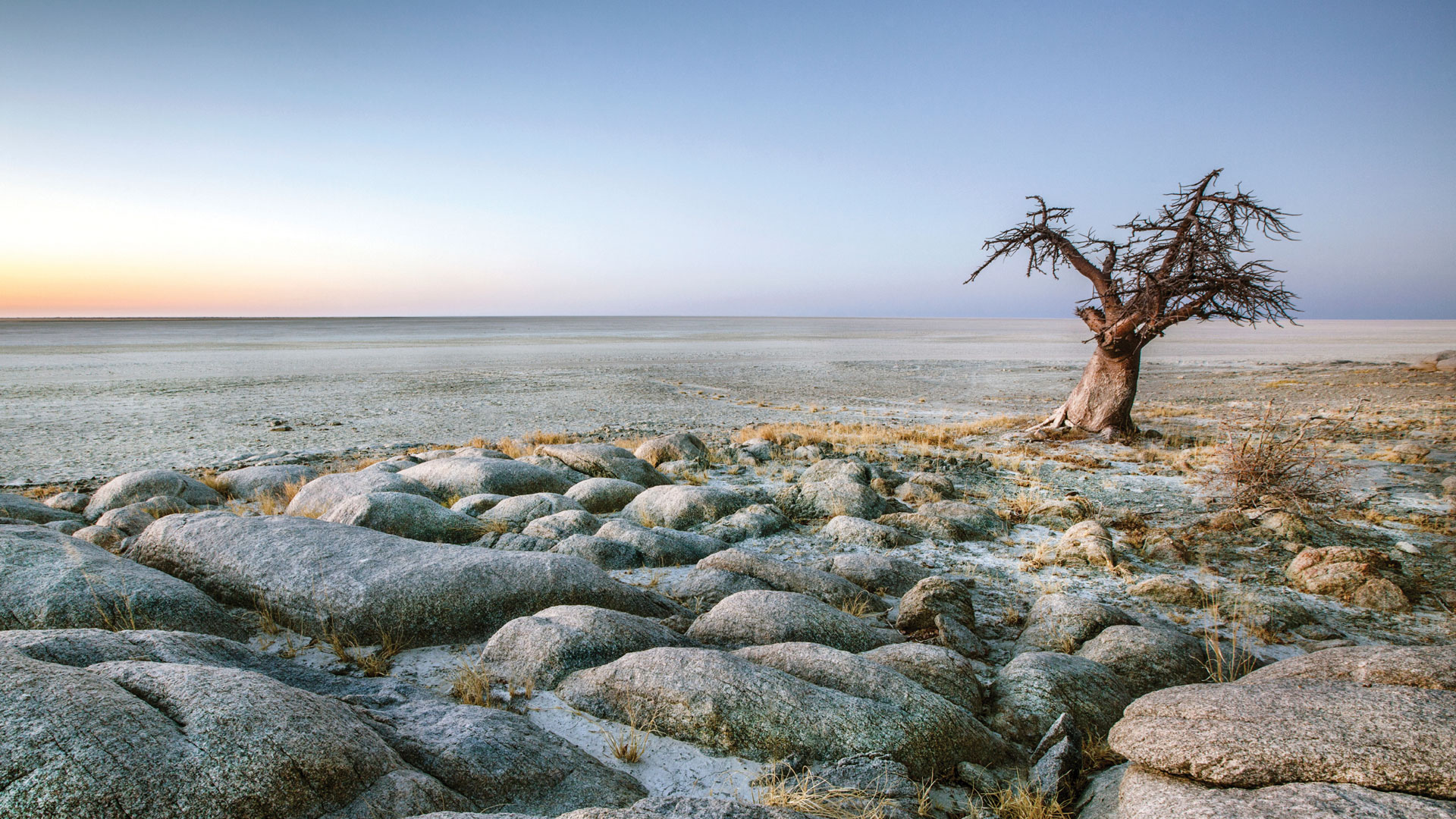
Makgadikgadi Pans
The vast ancient lakebed. An expansive network of stark, blindingly white salt flats punctuated by historic, giant baobab trees and meerkat colonies.
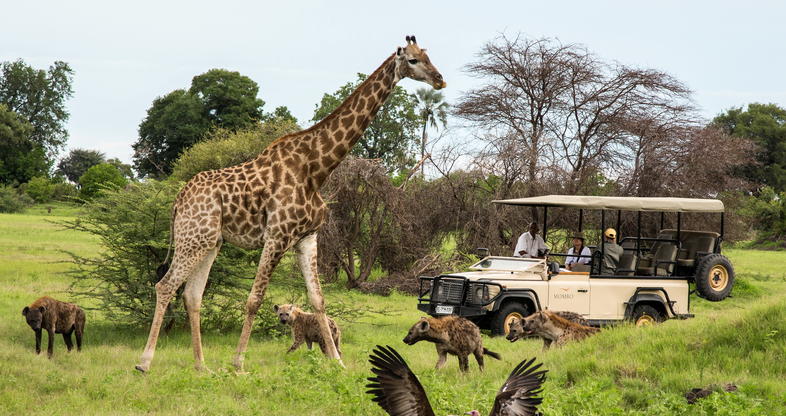
Moremi Game Reserve
The protected core of the delta. Where lush lagoons, savanna plains, and dense mopane forests protect diverse big game and rich bird populations.
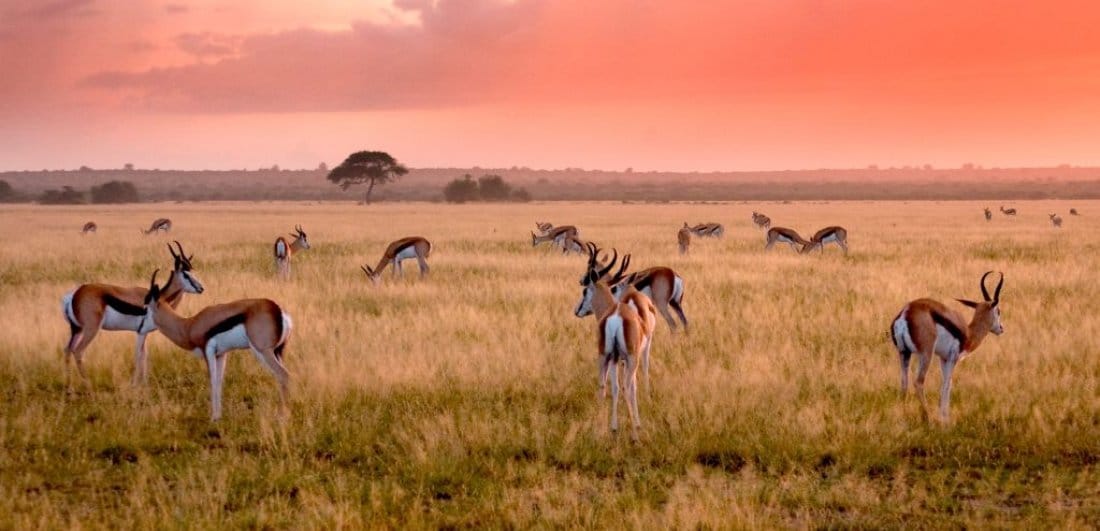
Central Kalahari
The raw, timeless wilderness. One of the world’s most expansive protected desert reserves, famous for its iconic black-maned Kalahari lions.
Master Logistics & Transport
First Mile: Airport to Capital Ground Connections
Transitioning safely and efficiently from the arrivals gate directly into the commercial hotel core of the capital is best managed via this precise method:
- Gaborone Airport (GBE) to Center: The single most reliable and secure option is pre-arranging a private shuttle transfer directly through your hotel lodging or using a licensed airport taxi. Note that global digital ride-hailing applications are not yet widely integrated here. A standard taxi ride down the modern airport highway directly into the central business district takes roughly 15–25 minutes, costing about 100–150 BWP (~$8–$12 USD).
- Chartered Bush Fleets: Air charter companies operate a highly efficient network of small propeller planes linking Maun and Kasane to private wilderness bush airstrips.
- Visa-Free Advantages: Citizens from the US, UK, EU, Canada, Australia, and many other global nations receive visa-free entry upon arrival for tourist stays up to 90 days.
- Self-Drive Prerequisites: Travelers planning to rent a vehicle for remote desert parks must secure a fully equipped 4x4 rig with roof tents and travel with at least two vehicles for safety.
Navigating Through the Horizons
- Charter Air Hoppers: Light aircraft serve as the primary "highways" for moving between remote island camps tucked deep within the flooded delta.
- Open-Sided 4x4 Cruisers: Navigating through the deep Kalahari sand tracks or crossing delta water channels safely requires heavy-duty 4x4 vehicles operated by licensed guides.
- Combi Mini-Buses: Highly affordable local shared transit options that operate along fixed asphalt routes within major towns like Gaborone and Francistown.
Currency Dynamics (Botswana Pula - BWP)
The official currency is the Botswana Pula (BWP). High-end luxury safari lodges and air charter fleets calculate their pricing in US Dollars and accept international credit cards. However, carrying physical Pula cash banknotes is necessary for shopping at local craft markets, paying fuel station attendants, and tipping tracking staff. ATMs are widely available in urban centers but completely absent in the deep bush. 1 USD ≈ 13.5 BWP.
Eco-Tourism Conservation Levy
Botswana operates on a deliberate "high-value, low-volume" tourism model. A portion of all lodge fees directly funds anti-poaching units and local community conservation programs across the country.
Culinary Staples & Master Artisan Heritage
Iconic Traditional Flavors
- The National Seswaa: The beloved national dish. Comprises lean beef, goat, or lamb slow-simmered in an iron pot with just salt and water until tender, then pounded and shredded into a rich savory meat dish.
- Hearty Thick Bogobe: A comforting traditional porridge made from finely ground sorghum or millet flour cooked in boiling water to create a smooth, dense accompaniment for stews.
- Roasted Morama Nuts: Sourced directly from the Kalahari sand vines, these highly nutritious wild nuts are slow-roasted over open charcoal embers to yield a rich, buttery flavor similar to cashews.
Masterful Okavango Basket Weaving
The artistic soul of the northern region is expressed through intricately woven Okavango baskets. Crafted by hand using the split roots of the mokola palm tree and tinted with natural plant dyes, these sturdy baskets feature complex, symbolic geometric patterns that celebrate local wildlife and desert folklore.
Rooibos Blends & Traditional Sundowner Rituals
Embrace the classic safari tradition known as the "Sundowner"—stopping your open 4x4 cruiser at dusk to watch the desert sky change colors with a refreshing beverage. For a comforting morning drink, enjoy a hot cup of wild-harvested herbal Rooibos tea sourced from southern plains farmers.
Safety & Budget 2026
Daily Budget (USD / BWP Framework)
Botswana is primarily configured for high-end luxury eco-tourism, though independent self-drive overlanders can navigate public national park campsites affordably with careful planning.
Independent Self-Drive (Rented 4x4 / Public Park Campsites / Local Supermarkets)$70 – $130 / day
Premium Fly-In Safari (Private Concession Lodges / Chartered Air Transit / All-Inclusive Guiding)$550 – $1,400 / day
Smart Security & Wildlife Protocol
- An Exceptionally Safe Destination: Proudly recognized as one of the most politically stable, secure, and welcoming countries in the world. Exercise basic common sense in major urban centers, and secure valuables when in crowded transit hubs.
- Unfenced Wilderness Safety: Most premier safari camps inside the delta and reserves are entirely unfenced. Wildlife moves freely through camp boundaries. Never walk alone at night outside your tent, carry a flashlight, and always follow your camp guide's safety protocols.


