Japan Travel Guide 2026 – Culture, Cities & Experiences

Journey through the land of the rising sun. Experience the hyper-modern streets of Tokyo, the timeless temples of Kyoto, and the serene beauty of the Japanese Alps.

Japan is a destination of profound contrasts where ancient Shinto traditions exist in perfect harmony with cutting-edge technology. In 2026, Japan continues to fascinate travelers with its impeccable hospitality (Omotenashi), world-class culinary scene, and unrivaled public safety. Whether you are chasing the cherry blossoms in spring or the powder snow of Hokkaido in winter, Japan offers a structured, respectful, and deeply rewarding travel experience that feels like visiting the future and the past simultaneously.

Seasonal Planning

Peak Windows

  • Spring (Late March–April): The legendary Sakura season. Expect large crowds but breathtaking views as the pink blossoms sweep from south to north.
  • Autumn (October–November): "Koyo" or autumn foliage season. Deep reds and golds cover the temple grounds, offering cooler temperatures and stable weather.
  • Winter (December–February): A paradise for skiers in Nagano and Hokkaido. This is also the best time for "Onsen" (hot spring) hopping in the mountains.
  • Summer (June–August): Hot, humid, and rainy. However, this is the season for spectacular fireworks festivals (Hanabi) and the opening of Mount Fuji for climbing.

Travel Insight

Golden Week (late April to early May) is the busiest time for domestic travel—trains and hotels will be fully booked months in advance. If you prefer quiet, early March or late September provide a "shoulder season" with fewer crowds and pleasant walking weather. Always carry a portable umbrella, as sudden coastal showers are common in city centers.

Understanding the Regional Divide

Kanto, Kansai, and Beyond

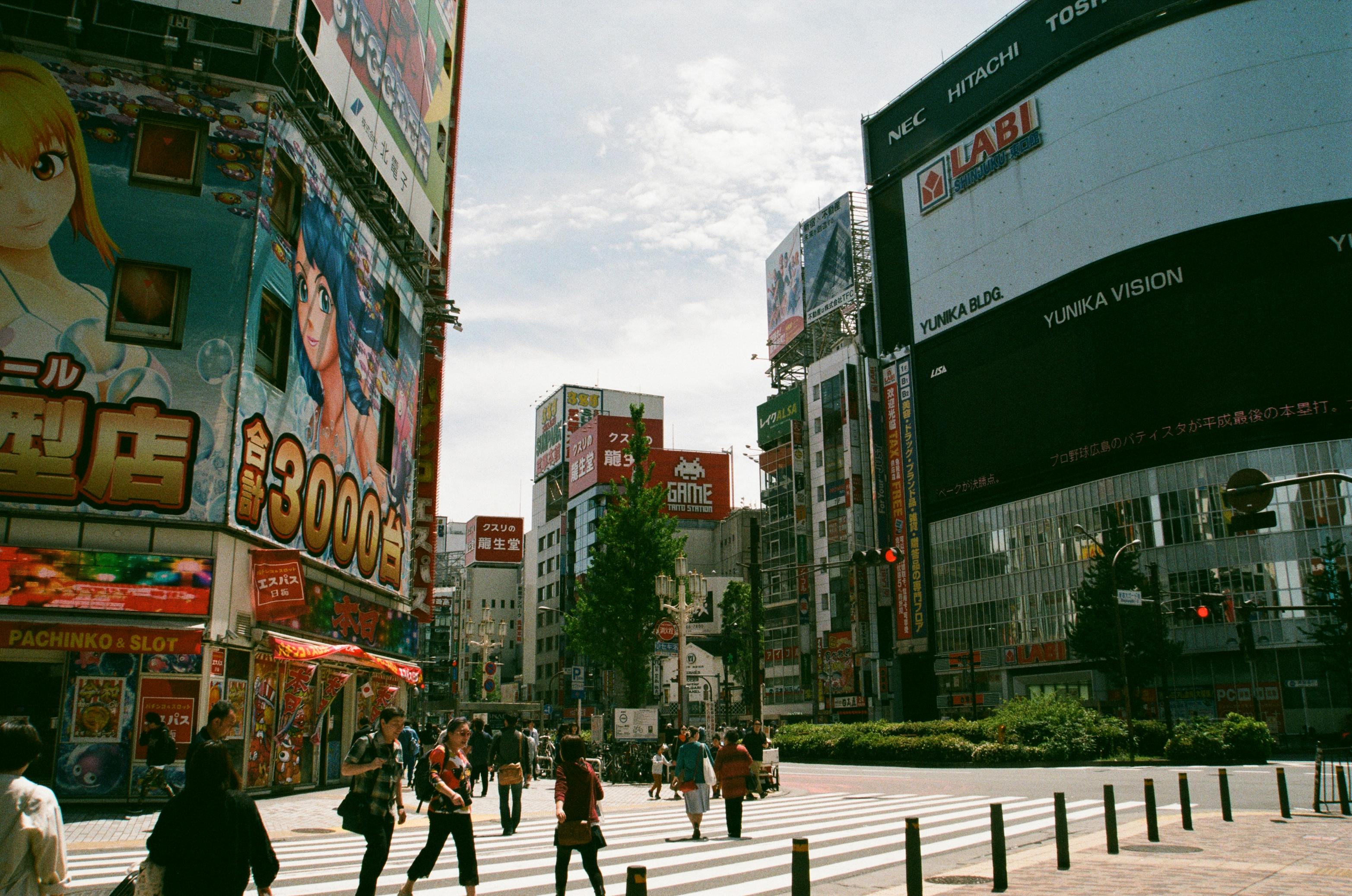
Kanto (The Urban Core): Dominated by Tokyo, this region is the pulse of modern Japan. It is the place for subcultures, Michelin-starred dining, and neon-lit districts like Shinjuku. It serves as the primary international gateway.

Kansai (The Cultural Heart): This region includes Kyoto, Osaka, and Nara. If you are looking for geisha districts, massive wooden temples, and the "kitchen of Japan" (Osaka), this is where you spend the majority of your time.

The Outer Islands (Wild Nature): Hokkaido in the north offers rugged wilderness and volcanic landscapes, while Okinawa in the far south provides a subtropical escape with white sand beaches and a distinct Ryukyuan culture. 2026 sees a growing trend of "slow travel" into the rural villages of Shikoku and Kyushu.

6 Must-Visit Destinations

Tokyo

Tokyo

The world's largest metropolis. A dizzying mix of anime culture, luxury shopping, and quiet neighborhood shrines.

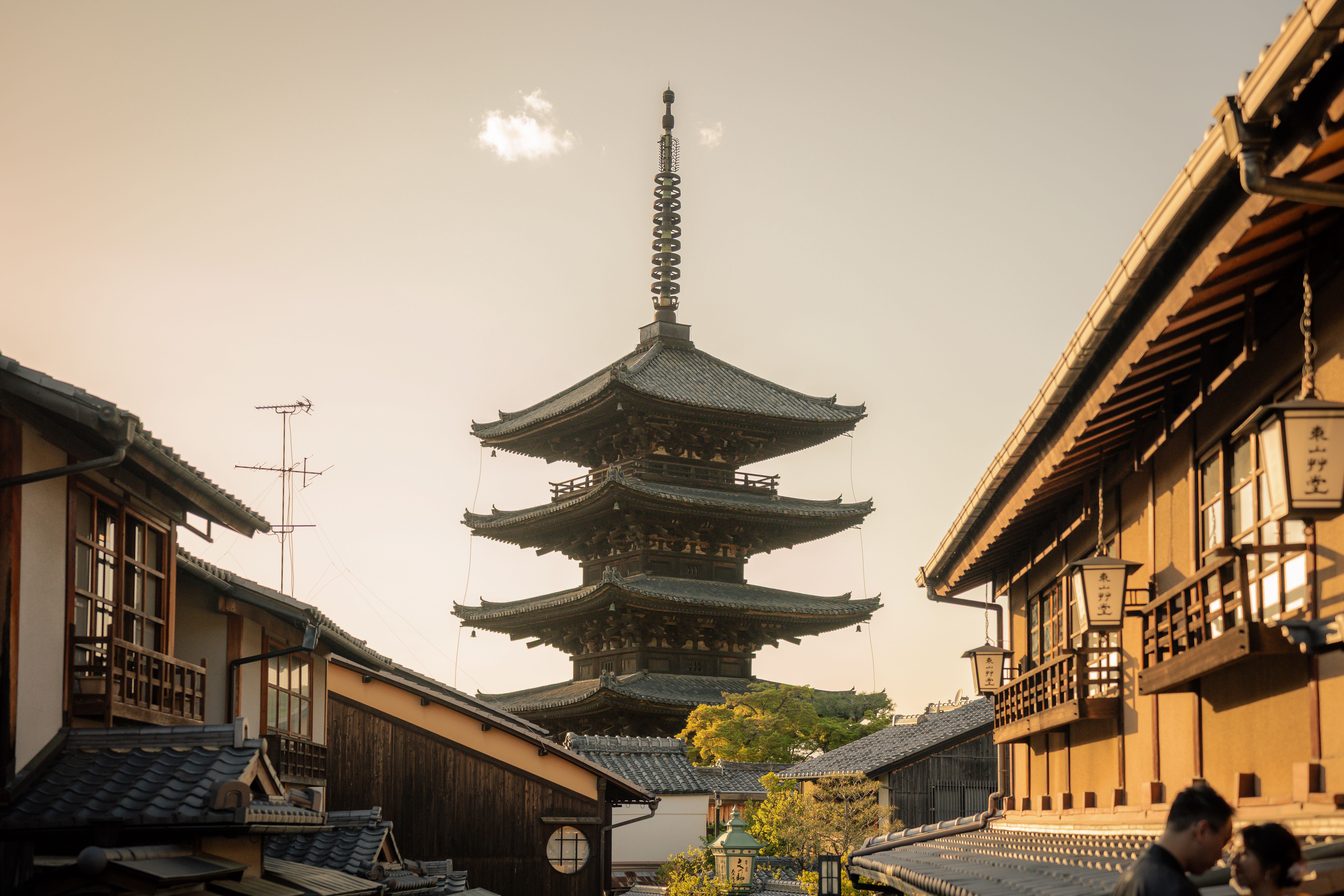
Kyoto

Kyoto

The city of 2,000 temples. Experience traditional tea ceremonies and the iconic Fushimi Inari torii gates.

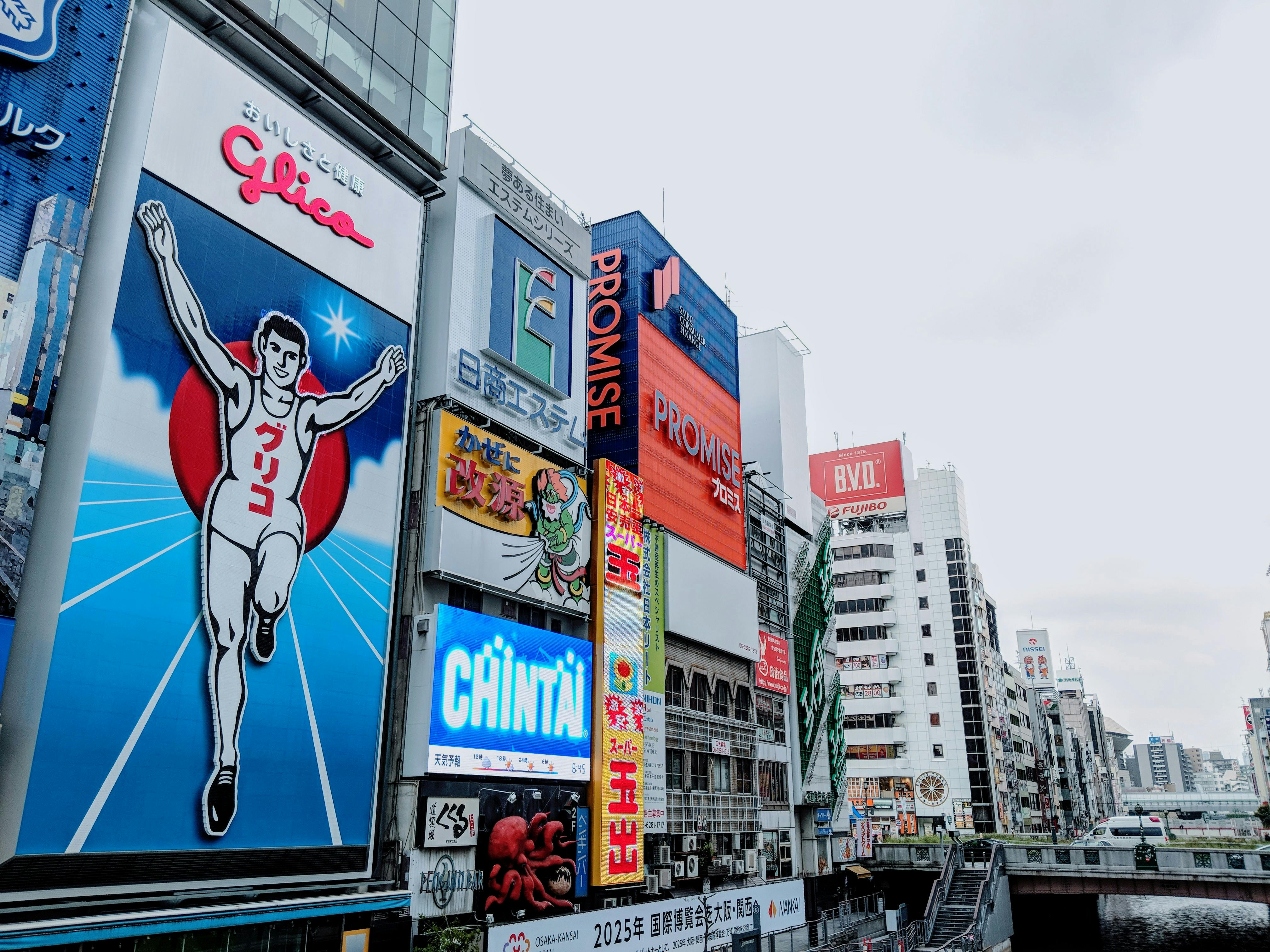
Osaka

Osaka

The street food capital. Famous for Takoyaki, Dotonbori’s neon signs, and the majestic Osaka Castle.

Nara

Nara

Home to the Great Buddha statue and hundreds of friendly, free-roaming deer in the central park.

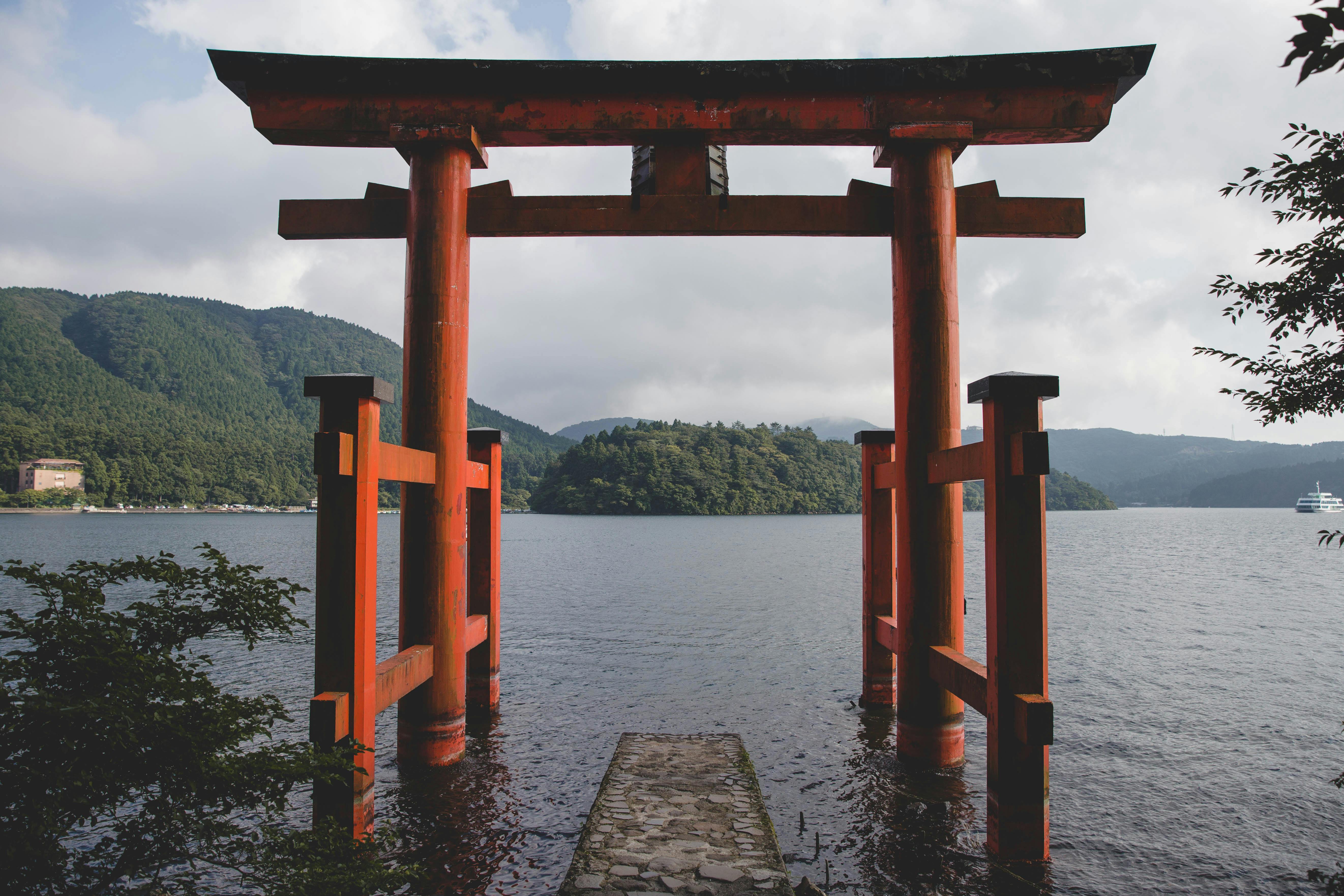
Hakone

Hakone

The best place for Mount Fuji views, hot spring resorts (ryokans), and cruising across Lake Ashi.

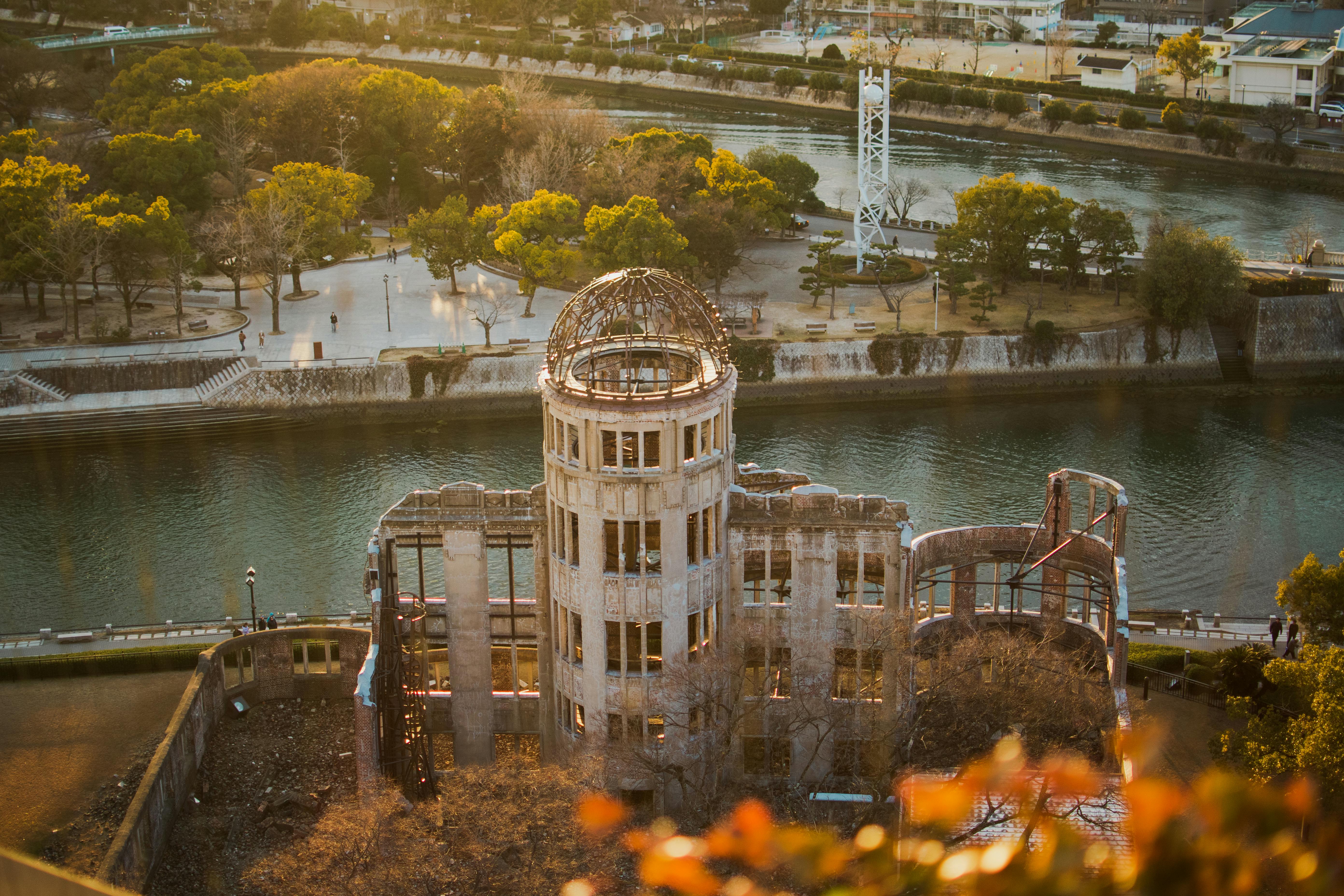
Hiroshima

Hiroshima

A city of peace and resilience. Visit the Peace Memorial Park and the famous "floating" gate of Miyajima.

Japanese Culture & Traditions

The Spirit of Heritage & Harmony

Japanese culture is deeply rooted in values of harmony (Wa), respect, and meticulous attention to detail. This philosophy influences everything from traditional arts to daily social interactions.

  • Shinto and Buddhism: The dual spiritual foundation of Japan where shrines and temples coexist peacefully, shaping seasonal festivals (Matsuri) and purification rituals.
  • Traditional Arts: Centuries-old disciplines such as tea ceremony (Chanoyu), flower arranging (Ikebana), pottery, and Kabuki theater reflect a profound connection to nature and impermanence.
  • Geisha and Kimono Heritage: Preserved districts like Gion in Kyoto maintain historic living arts, traditional garments, and classical dance performances.
  • Onsen Culture: Volcanic hot springs governed by strict etiquette, offering deep relaxation and spiritual cleansing in scenic mountain or coastal settings.
  • Craftsmanship (Monozukuri): An unyielding dedication to mastery, visible in everything from handcrafted kitchen knives to timeless woodworking techniques.
  • Seasonal Appreciation (Setsuna): A deep cultural mindfulness regarding the changing seasons, celebrated through poetry, seasonal foods, and hanami flower viewing.

Culinary Masterpieces & Gastronomy

A World-Class Food Destination

Japanese cuisine (Washoku) is an UNESCO Intangible Cultural Heritage defined by freshness, seasonal ingredients, and artistic presentation.

  • Authentic Sushi and Sashimi: Mastered over decades of apprenticeship, highlighting the pure, unadorned flavor of the ocean's finest catch at Tsukiji or Toyosu markets.
  • Regional Ramen Varieties: From rich tonkotsu broth in Fukuoka to soy-based Tokyo style and miso ramen in Hokkaido, each bowl tells a distinct regional story.
  • Izakaya Dining Culture: Casual Japanese pubs serving small shared plates like yakitori skewers, karaage, and edamame paired with draft beer or sake.
  • Kaiseki Multi-Course Dining: The pinnacle of fine dining, featuring meticulously crafted seasonal dishes served in traditional ryokans.
  • Tempura and Street Bites: Lightly battered, perfectly fried seafood and vegetables, alongside street foods like takoyaki and okonomiyaki in Osaka.
  • Matcha and Wagashi: Ceremonial green tea paired with delicate sweet bean confectioneries crafted to mirror seasonal flora.

Master Logistics & Extended Transport Guide

Comprehensive Transit Infrastructure

Japanese transport is legendary for its punctuality, efficiency, and cleanliness. Mastering the network ensures a seamless journey:

  • Tokyo Narita (NRT):
    Narita Express (N'EX): Direct access to Shinjuku and Tokyo Station. Cost: ~¥3,000.
    Keisei Skyliner: Fastest connection to Ueno in just 41 minutes. Cost: ~¥2,570.
  • Tokyo Haneda (HND): Located much closer to the city center. Utilize the Tokyo Monorail or Keikyu Line for a 20-30 minute commute costing under ¥600.
  • Osaka Kansai (KIX): Board the Haruka Express directly to Kyoto or the Nankai Rap:t for a swift arrival in central Osaka (Namba).
  • Regional Highway Buses: An economical alternative for overnight travel between major cities like Tokyo and Osaka, offering reclining seats and privacy curtains.
  • Domestic Ferries: Essential for exploring island groups like the Seto Inland Sea, Kyushu, and Okinawa, offering scenic ocean transits.

IC Cards (Suica/Pasmo)

Physical cards can sometimes be scarce; simply install the digital version directly onto your Apple Wallet or Google Pay. These convenient "tap-and-go" smart cards cover all trains, subways, local buses, and are widely accepted at vending machines, lockers, and convenience stores (Konbini).

The Shinkansen Network

The iconic bullet train system connects the main islands with breathtaking speed and comfort. While national passes have seen adjustments, regional passes remain exceptional value. Always secure "Reserved Seats" during peak holiday rushes to guarantee a smooth ride.

Etiquette & Social Norms

Silence on Trains

Talking loudly or taking phone calls on public transport is considered highly discourteous. Always switch your phone to "Manner Mode" and keep necessary conversations hushed.

No Tipping Culture

Tipping is completely foreign in Japan and can sometimes cause confusion or offense. Impeccable service is standard and already factored in. A polite "Arigato" is the best thanks.

Costs & Essential Tips

Daily Budget Framework

Budget / Konbini Food ¥6,000 – ¥9,000
Mid-Range / Business Hotel ¥15,000 – ¥25,000
Luxury / Ryokan Stay ¥50,000 – ¥100,000+

Health & Entry

  • Visit Japan Web: Pre-register your immigration and customs declarations online to bypass lengthy manual airport queues upon landing.
  • Cash Accessibility: While digital payments are widespread, traditional noodle shops, rural temples, and vending machines still rely entirely on Yen. Keep ¥5,000–¥10,000 on hand.
  • Waste Management: Public trash cans are rare. Adopt local habits by carrying your waste with you until you reach your hotel room or convenience store disposal bin.

Global Visa Explorer 2026 LIVE

Instant travel requirements for 150+ world destinations.

STATUS

Travel Info

DURATION -
IMPORTANT INFO Select countries to view 2026 travel details.

Arrive Well Rested with the New Serenity 2 Sleep Mask

Designed for total darkness and uninterrupted sleep.

Shop now
Customer Favorites
Customer Favorites

Customer Favorites

On-the-Go Essentials

On-the-Go Essentials

Tech for Travel
Tech for Travel

Tech for Travel

Travel Comfort
Travel Comfort

Travel Comfort

Smart Packing
Smart Packing

Smart Packing

Travel Made Simple

At Jetvance, we’re a Belgium-based team focused on making travel easier through smart products and useful information. We create tools that simplify the way you plan, organize, and experience your trips. Alongside our products, we provide clear and practical insights about destinations and travel in general, helping you feel more prepared wherever you go. With Jetvance, everything you need to travel smarter is in one place.

Check Out Our Products