Arrive Well Rested with the New Serenity 2 Sleep Mask
Designed for total darkness and uninterrupted sleep.


Indonesia is a sprawling archipelago of over 17,000 islands, offering an unparalleled mix of volcanic landscapes, turquoise waters, and deep spiritual heritage. In 2026, it remains the ultimate destination for adventure and relaxation. Whether you are seeking the world-class surf of the Mentawais, the ancient stone wonders of Borobudur, or the lush retreats of Ubud, Indonesia promises a sensory journey through diverse cultures and breathtaking natural beauty.
Indonesia is tropical year-round with temperatures averaging 28°C. Humidity is high, so breathable linen or cotton clothing is a must. If you plan on hiking Mount Bromo or Ijen, bring a warm jacket as temperatures at high altitudes can drop near freezing before sunrise. Always carry a lightweight raincoat during the wet season.
Bali is the cultural heart for international travelers, famous for its Hindu traditions, ornate temples, and vibrant nightlife. While areas like Canggu are bustling with "digital nomad" energy, the North and East offer quiet black-sand beaches and authentic village life.
Java is the nation's powerhouse, home to the capital, Jakarta, and the cultural center of Yogyakarta. This island offers the most dramatic volcanic scenery and Indonesia's most significant UNESCO World Heritage sites, including the massive 9th-century Borobudur temple.
The East (Komodo, Flores, and Raja Ampat) represents the wild frontier. This region is a paradise for divers and nature lovers, featuring pink sand beaches, prehistoric Komodo dragons, and the world's most biodiverse marine reefs. Travel here is more rugged but rewards visitors with raw, untouched beauty.
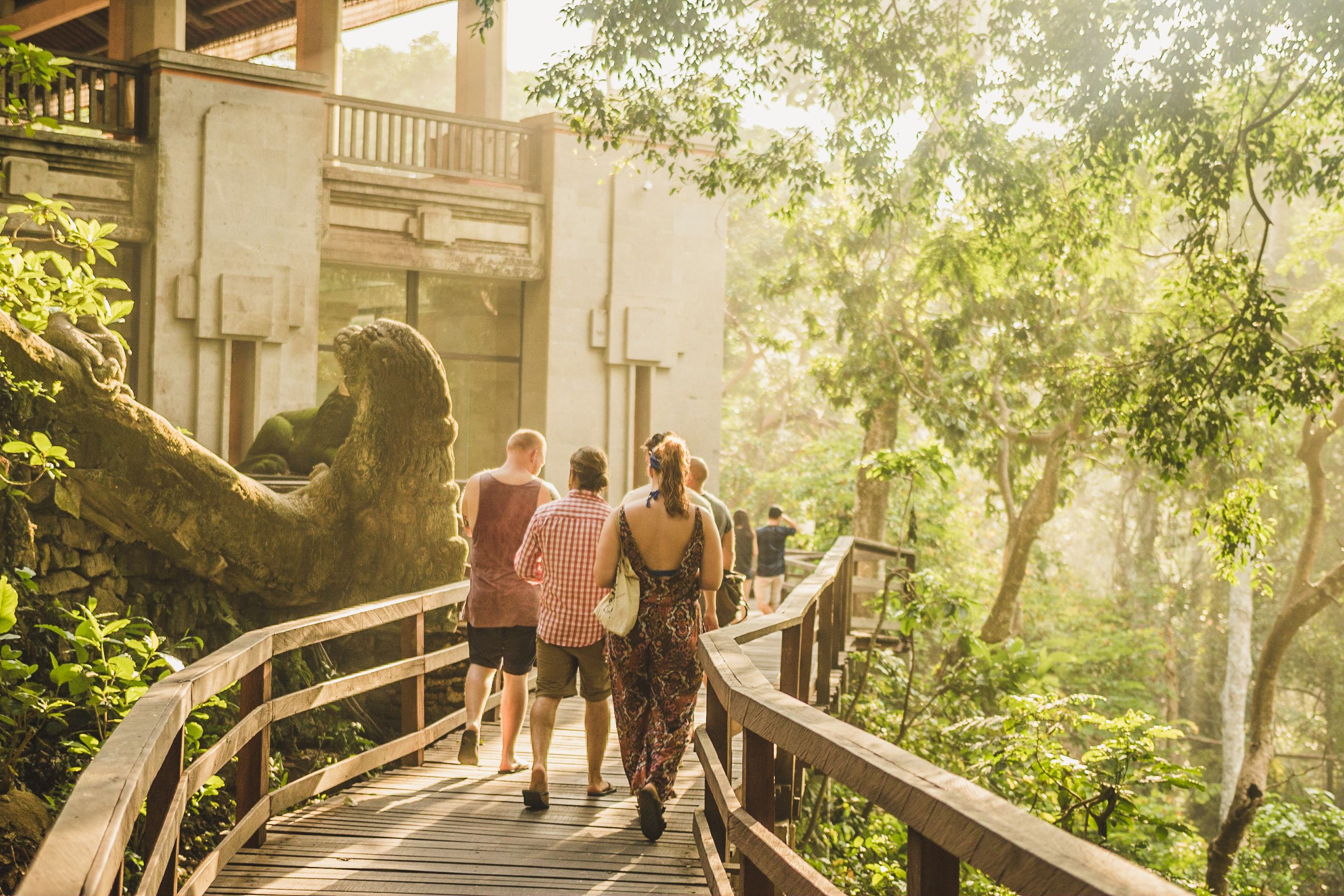
The spiritual center of Bali. Surrounded by rice terraces and rainforests, it is the premier spot for yoga, art galleries, and traditional dance.
The soul of Java. A hub for Javanese fine arts and the gateway to the magnificent Borobudur and Prambanan temple complexes.

Three tiny islands where motorized vehicles are banned. Perfect for snorkeling with turtles and enjoying a relaxed, barefoot lifestyle.

Home of the legendary dragons. The park features stunning viewpoints like Padar Island and world-class diving at Manta Point.
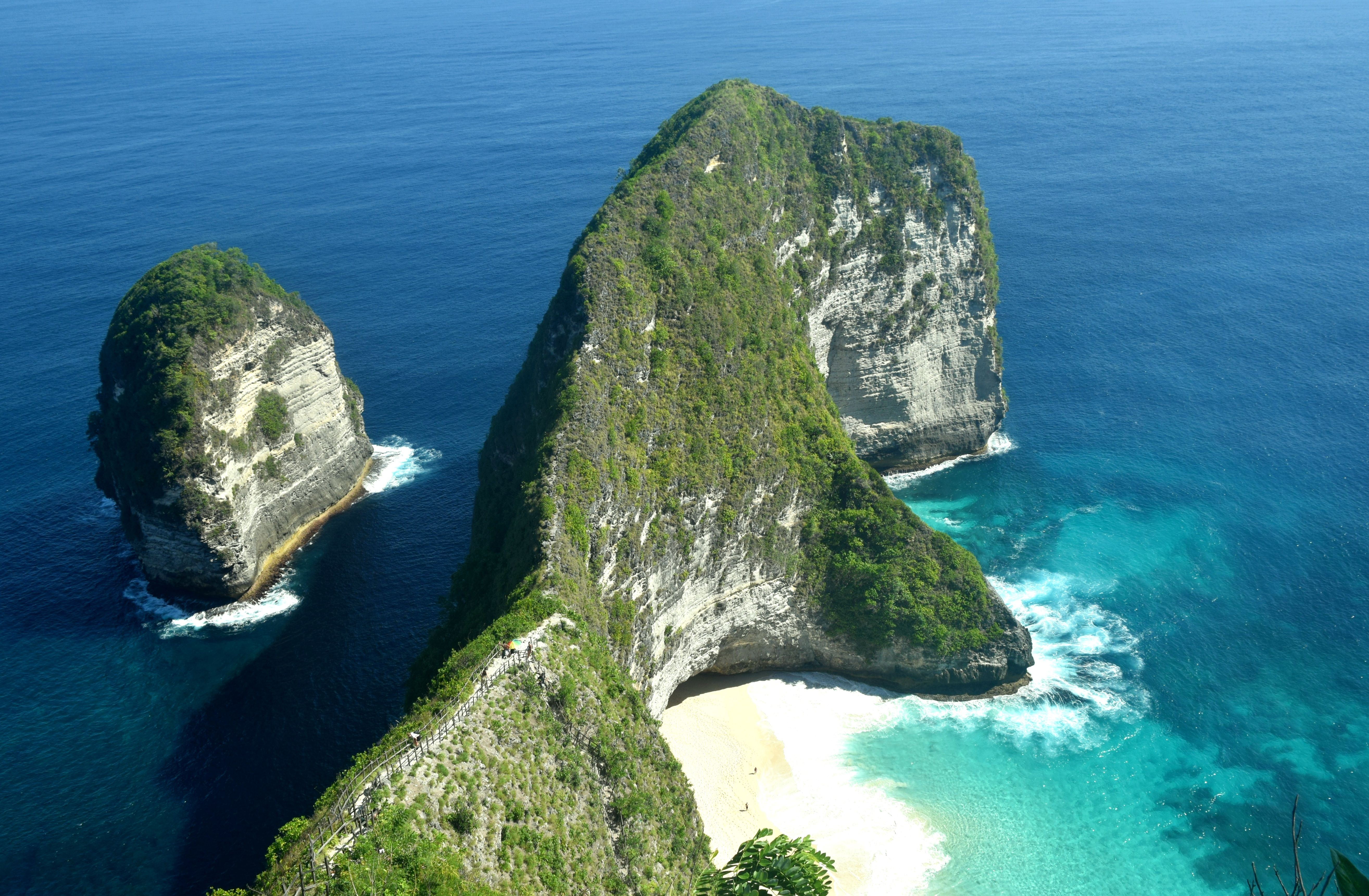
Rugged and iconic. Famous for the T-Rex shaped Kelingking Beach and dramatic limestone cliffs just a short boat ride from Bali.

The ultimate diving frontier. Located in West Papua, this archipelago is the "Amazon of the Seas" with unparalleled coral diversity.
Indonesian hospitality is legendary, characterized by a "senyum" (smile) and a helpful nature. Food is often spicy, flavorful, and incredibly diverse.
Soekarno-Hatta is a massive hub. For 2026, navigating the arrival process requires knowing your terminals: Terminal 3 is the modern home for international arrivals and Garuda. Use the free Kalayang (Skytrain) to move between terminals.
The train system in Java is excellent, scenic, and punctual. The "Executive" or "Luxury" classes are highly recommended for the Jakarta-Yogyakarta or Jakarta-Surabaya routes. Book via the "Access by KAI" app.
Popular in Bali, but risky. In 2026, police strictly enforce International Driving Permits (IDP) and helmet laws. Check if your insurance covers "unlicensed" riding before renting.
For day trips in Bali or Java, hiring a private driver for 8-10 hours (~Rp 600k-800k) is often safer and more relaxing than renting a car yourself.
Never drink tap water. Use bottled or filtered water even for brushing teeth to avoid "Bali Belly" (stomach upset). Eat at reputable "warungs" with high turnover.
Most tourists require a Visa on Arrival (VoA). In 2026, it is highly recommended to apply for the e-VoA online before arrival to skip long airport queues.
Instant travel requirements for 150+ world destinations.

Arrive Well Rested with the New Serenity 2 Sleep Mask
Designed for total darkness and uninterrupted sleep.

Customer Favorites

On-the-Go Essentials

Travel Tech

Travel Comfort

Smart Packing

Travel Made Simple
At Jetvance, we’re a Belgium-based team focused on making travel easier through smart products and useful information. We create tools that simplify the way you plan, organize, and experience your trips. Alongside our products, we provide clear and practical insights about destinations and travel in general, helping you feel more prepared wherever you go. With Jetvance, everything you need to travel smarter is in one place.