Greece Travel Guide 2026 – Islands, Beaches & History

Discover Greece’s best islands, beaches, and ancient sites. Plan your 2026 trip with top destinations, travel tips, and must-see attractions.

Greece is where sunlight feels physical and history is etched into every marble pillar. In 2026, it remains the ultimate summer sanctuary, offering a seamless blend of ancient mythology and modern luxury. From the bustling streets of Athens—home to the timeless Parthenon—to the crystalline waters of the Cyclades, Greece is a celebration of the "Philoxenia" (love of strangers) spirit. This guide explores the rhythmic life of the islands and the untamed beauty of the mainland.

Seasonal Planning

The Best Timing

  • Late Spring (May–June): The islands are green, the sea is refreshing, and the prices are half of peak summer. Best for hiking Crete or the Peloponnese.
  • Summer (July–August): Iconic but intense. The Meltemi winds can affect ferry schedules. This is the peak of nightlife in Mykonos and Ios.
  • Autumn (September–October): The "Golden Season." The sea is at its warmest, and the massive crowds have departed. Perfect for visiting Santorini or Rhodes.
  • Winter (November–March): A great time for a city break in Athens or Thessaloniki. Many island businesses close, but Crete remains lively year-round.

The Meltemi Warning

In July and August, the strong, dry north winds of the Aegean—the Meltemi—can be fierce. While they provide relief from the heat, they can cause ferry delays and make northern-facing beaches uncomfortably windy. Always check maritime apps before booking a small boat tour during these months.

Archipelago vs. Mainland

Choosing Your Greek Experience

Greece in 2026 is far more than just blue domes. The Cyclades (Santorini, Mykonos, Milos) offer the iconic white-washed architecture and volcanic cliffs everyone recognizes. This is the heart of Greek tourism, where the focus is on sunsets, luxury, and chic beach clubs. However, for a more verdant experience, the Ionian Islands (Corfu, Zakynthos, Kefalonia) boast heavy Italian influence, lush green forests, and some of the world’s most famous turquoise coves like Navagio Beach.

The Mainland & Peloponnese offer a rugged, authentic deep-dive into history. Here you’ll find the stone villages of Mani, the ancient theater of Epidaurus, and the towering "floating" monasteries of Meteora. Unlike the islands, the mainland offers year-round travel potential with mountainous landscapes that rival the Alps. Finally, Crete stands as a world of its own—the largest island, with its own distinct dialect, fierce traditions, and a culinary scene that many consider the best in the entire Mediterranean.

Major Destinations

Athens

Athens

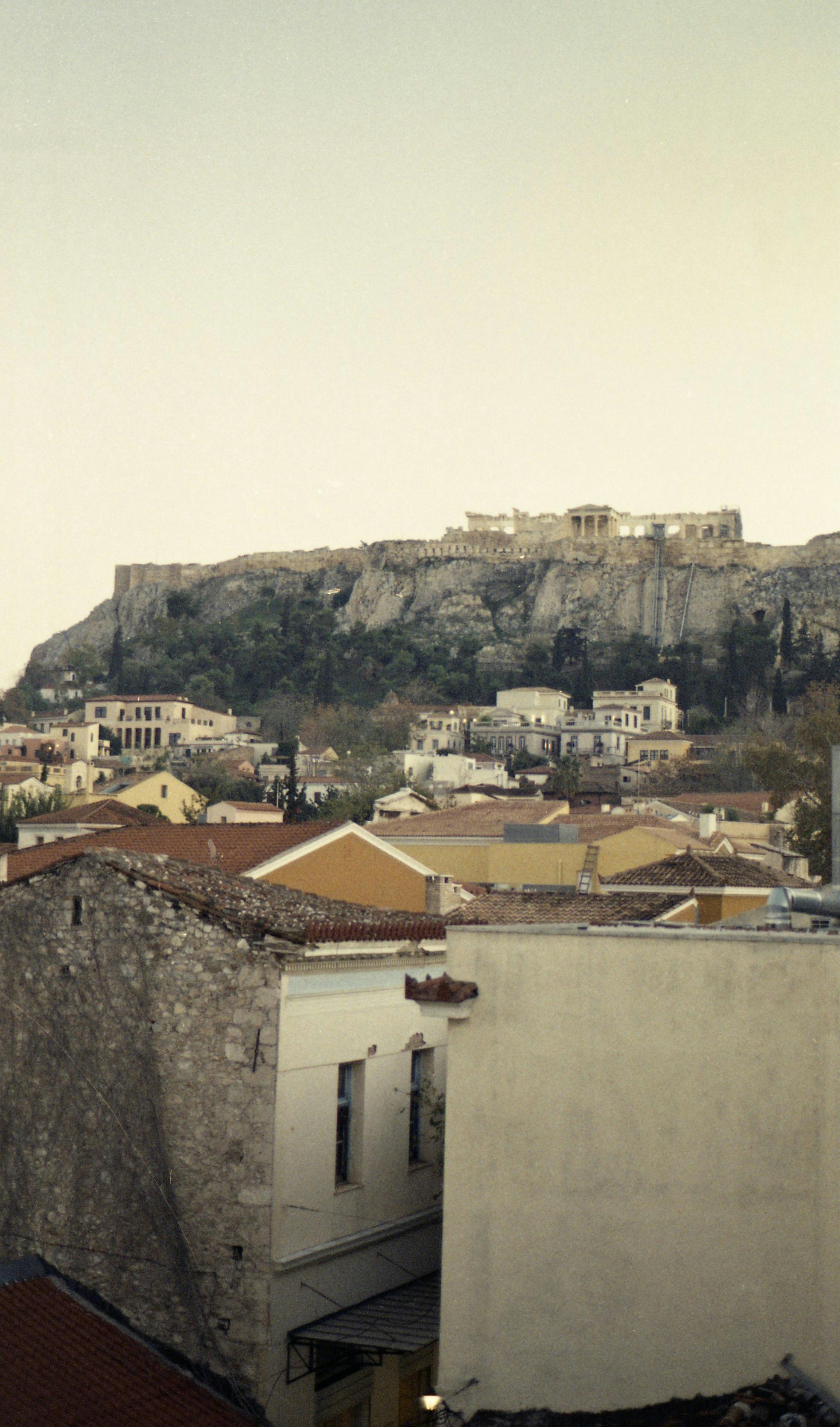
A high-energy blend of ancient ruins and gritty urban cool. The Acropolis still dominates the skyline of this 24-hour city.

Santorini

Santorini

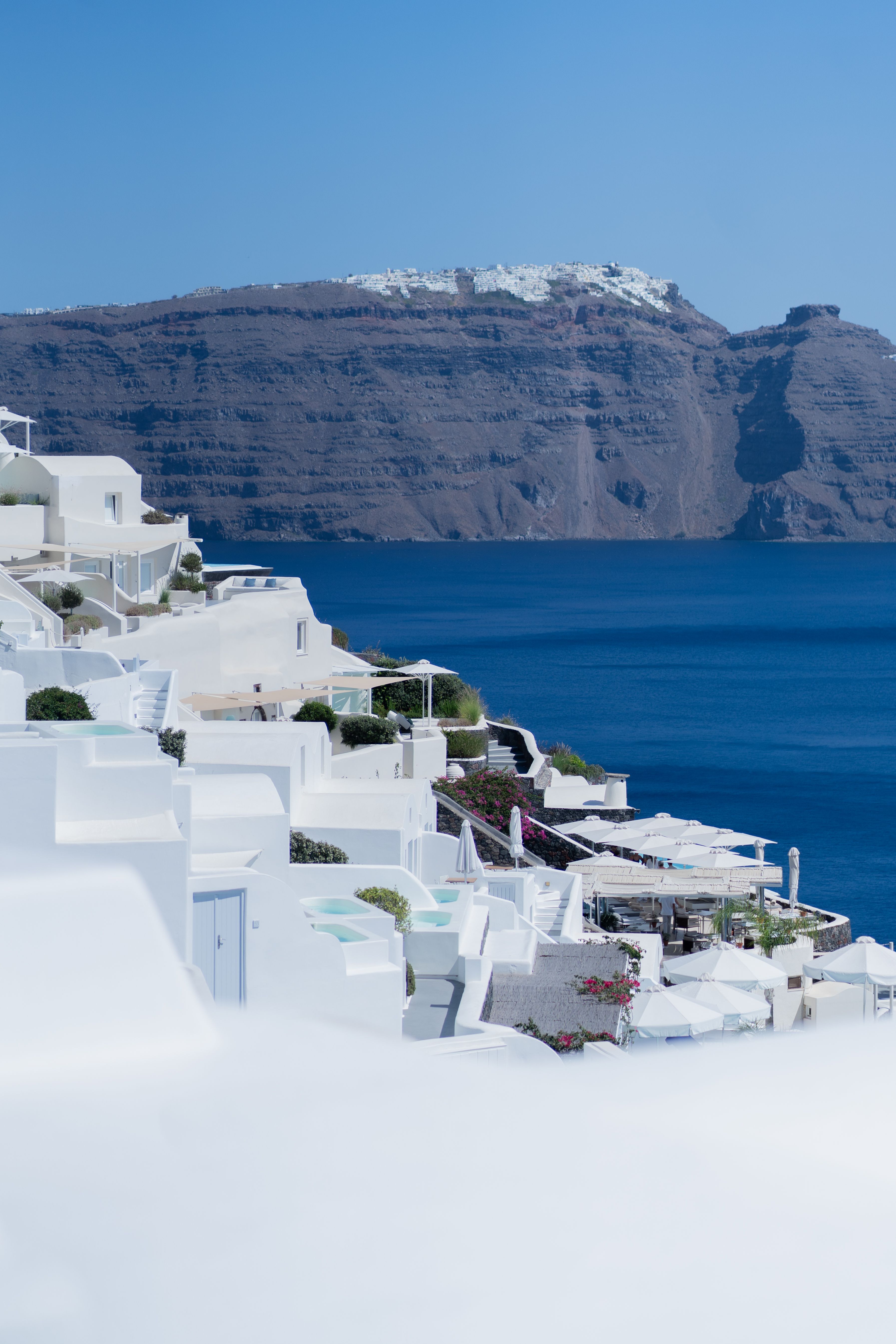
Famous for its caldera views and Oia sunsets. In 2026, it remains the ultimate romantic destination, best enjoyed in the shoulder season.

Crete

Crete

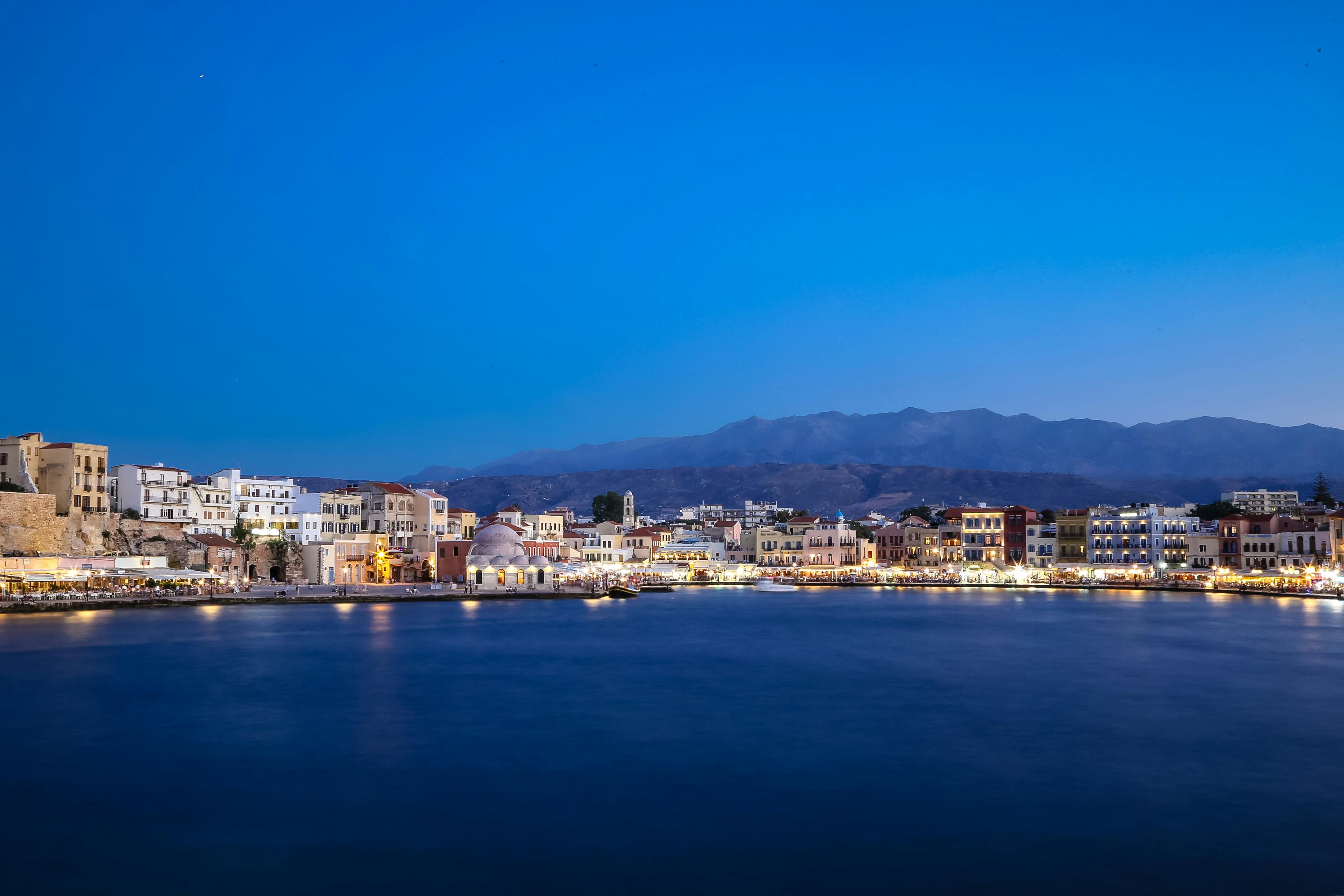
Home to the Palace of Knossos and the Samaria Gorge. A diverse paradise of pink sand beaches and snow-capped mountains.

Milos

Milos

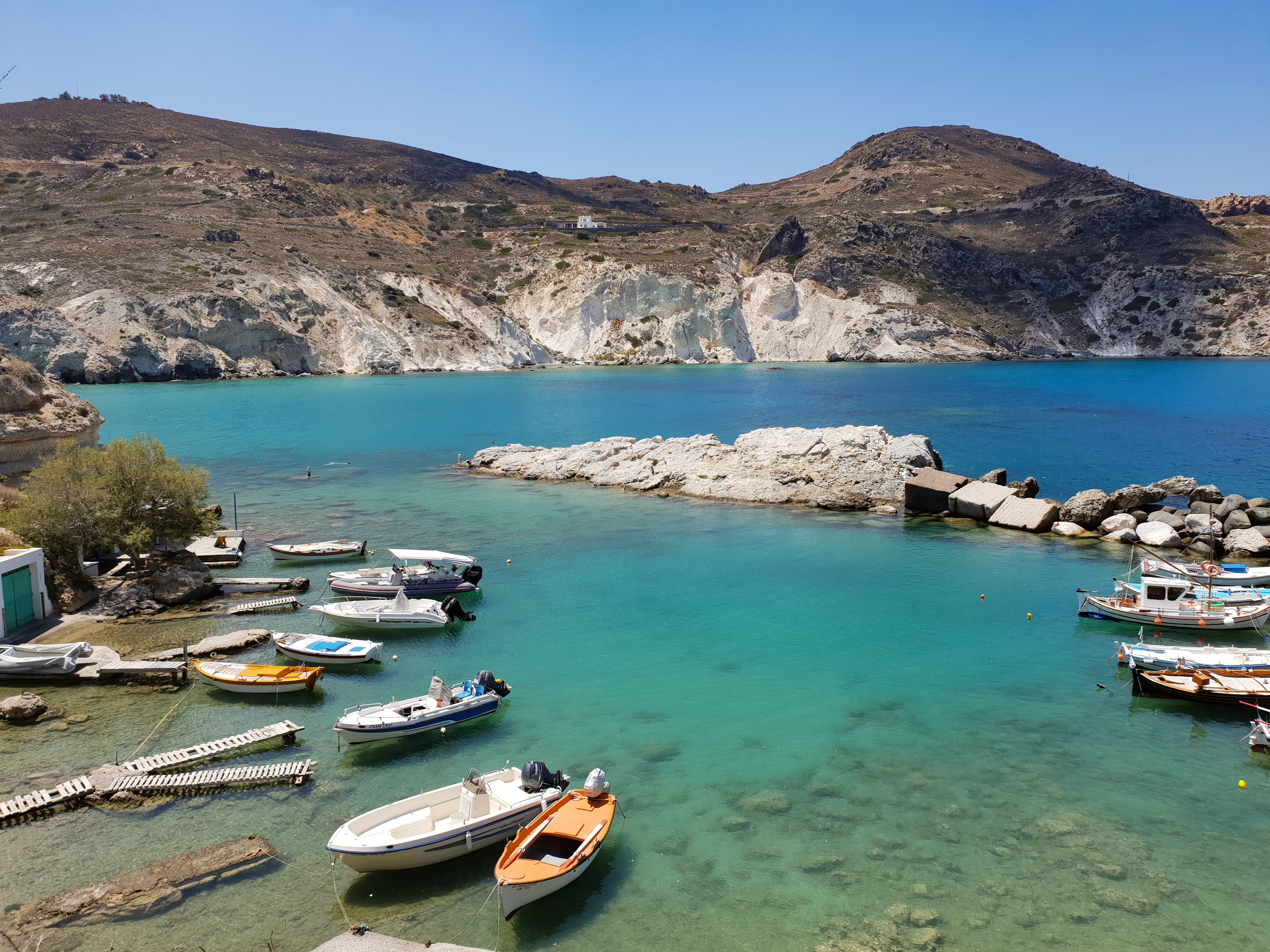
The island of colors. Famous for Sarakiniko’s lunar landscape and dozens of unique beaches accessible only by boat.

Corfu

Corfu

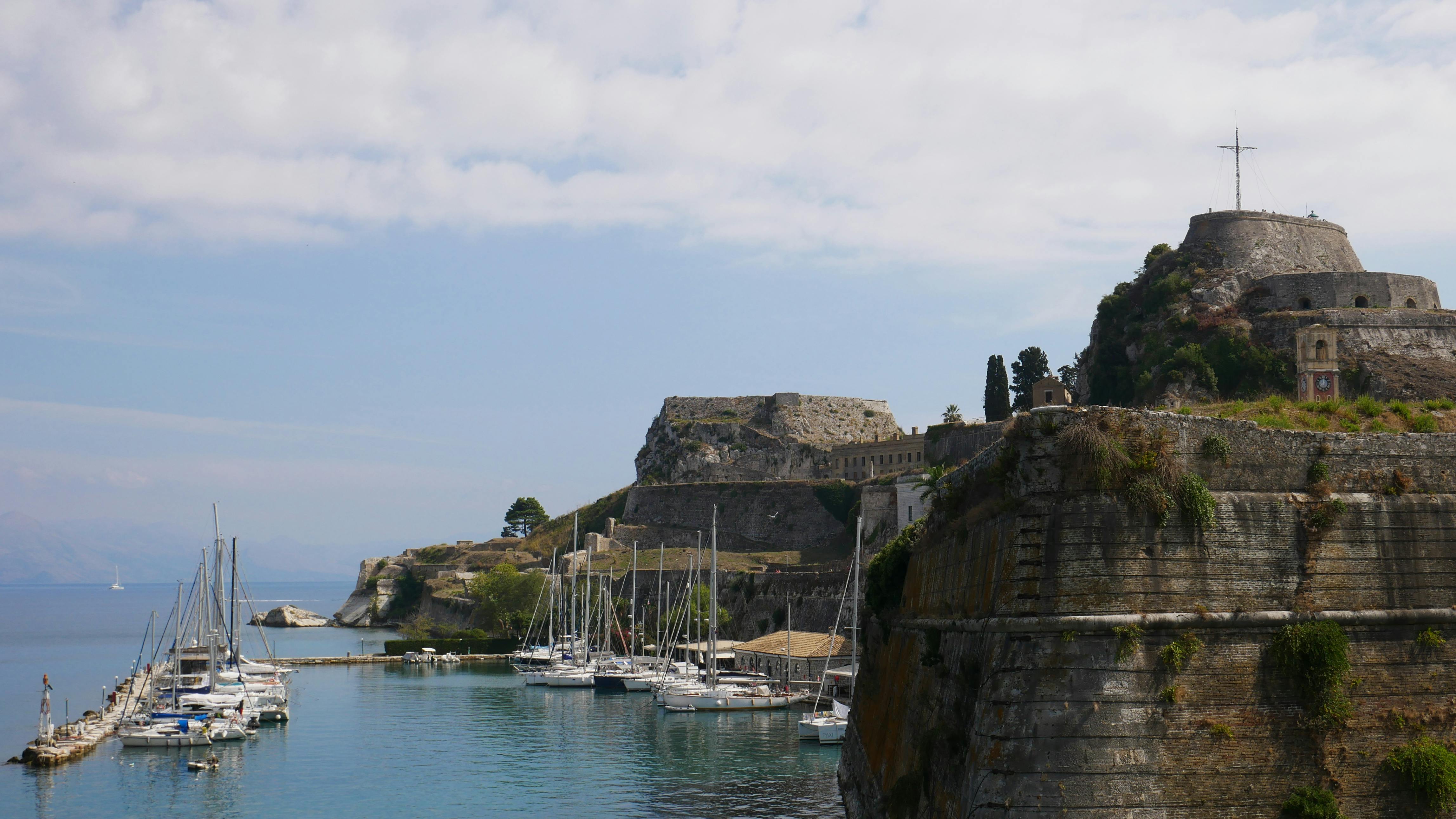
Where the Ionian meets the Adriatic. A lush island with a Venetian-style Old Town that is a UNESCO World Heritage site.

Meteora

Meteora

A spiritual mainland marvel. Monasteries perched atop giant sandstone pillars, providing some of the most surreal views in Europe.

Food, Lifestyle & Etiquette

The Taverna Culture

Dining in Greece is a marathon, not a sprint. It’s about sharing small plates (mezedes) and spending hours around a table. In 2026, the traditional taverna remains the social heartbeat of every village.

  • Sharing is Mandatory: Don't just order one main for yourself. Order several small plates for the table—tzatziki, saganaki (fried cheese), and grilled octopus are staples.
  • Island Time: Service can be slow, but it’s intentional. You are never rushed to leave a table in Greece. To get the bill, you usually have to ask for it ("Logariasmos, parakalo").
  • Tipping: Rounding up the bill or leaving a few Euros is standard. In high-end areas like Mykonos, a 10% tip is more expected.
  • Dress Code: While casual is fine for beach tavernas, Greeks tend to dress up slightly for dinner in the evening. Keep beachwear for the beach.

Transport & Island Hopping

Getting Around

  • Athens Airport (ATH): Take the Metro (Line 3) or the X95 bus to Syntagma Square. Taxis to the center are a flat rate (approx. €40 during the day).
  • Ferries: The lifeline of the islands. Use the FerryHopper app to book. High-speed "Seajets" are faster but can be bumpy; larger "Blue Star" ferries are slower but much steadier.
  • Piraeus Port: It is massive. Arrive at least 1 hour before departure. If you are staying in the center, leave plenty of time to navigate the port traffic.
  • Rentals: On islands like Naxos or Crete, a car is essential. On smaller islands, an ATV or scooter is popular, but a full motorcycle license is often legally required for anything over 50cc.

KTEL Buses

The KTEL bus network on the mainland and islands is surprisingly efficient and affordable. Tickets can often be bought directly from the driver or at small kiosks near the stops.

Driving Rules

Greeks are "creative" drivers. Be assertive but cautious. On narrow island roads, the vehicle going uphill usually has the right of way. Honking is common but rarely aggressive.

Safety & Local Rules

The Plumbing Rule

Across almost all of Greece, you cannot flush toilet paper down the toilet. The pipes are too narrow and will clog. Use the small bin provided next to the toilet. This is non-negotiable, even in luxury hotels.

Heat Management

The Greek sun is relentless. In 2026, many archaeological sites like the Acropolis may close during peak afternoon hours (12:00–17:00) during heatwaves. Plan your sightseeing for early morning.

Costs & Health Essentials

Daily Budget

Budget / Hostel €40 – €75
Mid-Range Hotel €120 – €250
Luxury Boutique €500 – €2,500+

Entry & Health

  • ETIAS: Mandatory for non-EU travelers in 2026.
  • Stay Tax: Expect a "Climate Resilience Fee" of €1.50 to €10 per night, depending on the accommodation star rating.
  • Sea Urchins: Be careful when walking on rocks in the water. Sea urchins (achinoi) are common; water shoes are a smart investment.

Global Visa Explorer 2026 LIVE

Instant travel requirements for 150+ world destinations.

STATUS

Travel Info

DURATION -
IMPORTANT INFO Select countries to view 2026 travel details.

Frequently asked questions

about France

Do I need to speak French to travel comfortably in France?

Not necessarily, but it helps more than people expect. In cities like Paris, many people speak English, especially in hotels, restaurants, and tourist areas. However, starting with a simple “Bonjour” before switching to English is considered polite and often results in friendlier service. You do not need fluency, just a small effort makes a noticeable difference.

How exactly do metro and bus tickets work in Paris?

In Paris, the old paper tickets are called “Ticket t+”, but they are being phased out. The easiest option now is the Navigo Easy card, a small reusable card that you load with tickets. You can also use the Île-de-France Mobilités app to store tickets digitally on your phone. Important detail, you must validate your ticket at entry and keep it until you exit, as random checks do happen.

Can I just tap my credit card to enter the metro or bus?

Sometimes, but not everywhere yet. Paris is slowly rolling out contactless tap systems, but it is not fully universal like in London. In many stations, you cannot rely on tapping your bank card directly. Instead, you load tickets onto a Navigo Easy card or your phone. Contactless payment does work at ticket machines, so you can quickly buy tickets using Visa or Mastercard.

Which payment methods are actually accepted in France?

Most places accept Visa and Mastercard without any issues, including contactless payments. Apple Pay and Google Pay are also widely supported. However, American Express is less consistently accepted, especially in smaller shops or cafés. Carrying a small amount of cash is still useful, but for most travelers, card payments cover almost everything.

What is better in France, Uber or regular taxis?

Uber works very well in cities like Paris and is usually cheaper and easier to use than traditional taxis. You get upfront pricing, in app payment, and live tracking. Regular taxis can still be useful, especially from taxi stands or airports, but pricing can vary more. Most travelers default to Uber for convenience and predictability.

What is the best way to get from the airport into the city?

From the main Paris airport, the most common option is the RER B train, which connects directly to the city center and is both fast and affordable. Tickets can be bought at machines using card or cash. Uber and taxis are available, but they are significantly more expensive. A lot of travelers choose train for daytime arrival and Uber if arriving late at night or with heavy luggage.

Arrive Well Rested with the New Serenity 2 Sleep Mask

Designed for total darkness and uninterrupted sleep.

Shop now
Customer Favorites
Customer Favorites

Customer Favorites

On-the-Go Essentials

On-the-Go Essentials

Tech for Travel
Tech for Travel

Tech for Travel

Travel Comfort
Travel Comfort

Travel Comfort

Smart Packing
Smart Packing

Smart Packing

Travel Made Simple

At Jetvance, we’re a Belgium-based team focused on making travel easier through smart products and useful information. We create tools that simplify the way you plan, organize, and experience your trips. Alongside our products, we provide clear and practical insights about destinations and travel in general, helping you feel more prepared wherever you go. With Jetvance, everything you need to travel smarter is in one place.

Check Out Our Products