Germany Travel Guide 2026 – Cities, Castles & Hidden Gems

Discover Germany’s top cities, fairytale castles, and cultural highlights. Find the best places to visit, things to do, and travel tips for 2026.

Germany is a fascinating tapestry of ultra-modern engineering and medieval enchantment. In 2026, it stands as Europe's most efficient yet soul-stirring destination. Beyond the iconic beer halls of Bavaria, you'll find the cutting-edge tech scenes of Berlin, the romantic Rhine Valley vineyards, and the dense, mystical Black Forest. This guide dives into the cultural precision, the logistical mastery, and the hidden regional treasures that make Germany a traveler's favorite.

Seasonal Planning

The Best Timing

  • Late Spring (May–June): "Spargelzeit" (Asparagus season) is a culinary event. The weather is crisp and beer gardens begin to bloom across the country.
  • Summer (July–August): The best time for the North Sea and Baltic coasts. Festivals are everywhere, though popular spots like Neuschwanstein will be at maximum capacity.
  • Autumn (September–October): Famous for Oktoberfest in Munich. The foliage in the Mosel wine region is spectacular this time of year and perfect for hiking.
  • Christmas (Late Nov–Dec): Germany invented the modern Christmas Market. It is a magical, sensory experience, though be prepared for cold, damp weather.

Weather Advice

German weather can be unpredictable. Even in July, a "Zwiebelprinzip" (onion principle) or layering your clothes is essential. While the South can get quite hot (30°C+), the North remains breezy. Always carry a small umbrella or a light rain jacket, especially when exploring the mountainous regions or the windy coastline of Hamburg.

Understanding the Regional Divide

The Cultural Shift: North, South, and East

To truly understand Germany in 2026, travelers must recognize that it is a federal republic of deeply distinct cultures. The South (Bavaria and Baden-Württemberg) represents the quintessential image of Germany: high-altitude Alps, deep-rooted Catholic traditions, and a wealthy, conservative lifestyle. This is the land of BMW, heavy roasts, and the most famous castles. The dialect here is thick, and the pace of life, outside of Munich, remains traditionally slow.

In stark contrast, the North (Hamburg, Bremen, Lower Saxony) is shaped by the "Hanseatic" spirit—maritime, Protestant, and historically more outward-looking. The architecture shifts from Alpine wood to red-brick Gothic, and the food moves from pork knuckles to fresh fish rolls (Fischbrötchen). Northern Germans are known for being "Norden-Kalt" (initially reserved), but deeply loyal once the ice is broken.

Finally, the East (Berlin, Saxony, Thuringia) carries the unique weight of 20th-century history. Cities like Leipzig and Dresden have seen a massive "Renaissance" and are now hubs for young artists and tech startups, offering a more grit-and-glamour vibe compared to the polished perfection of the West. Travel here is often more affordable and offers a deeper look into the Cold War era and the reunification of the German soul.

Destinations & Landmarks

Berlin

Berlin

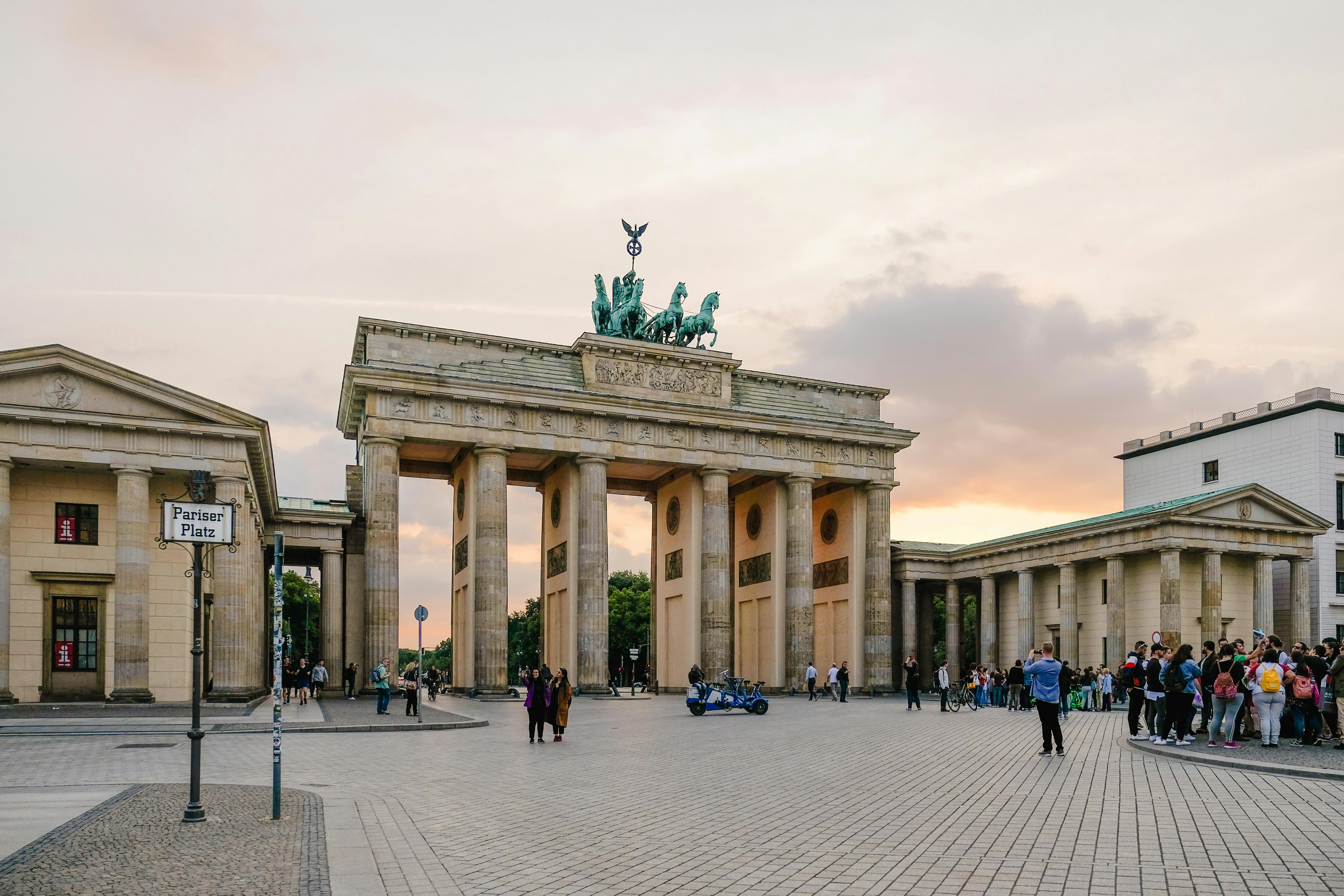
The capital of cool. A sprawling city of history (Brandenburg Gate, Berlin Wall) mixed with the world's most legendary underground club scene.

Munich

Munich

The gateway to the Alps. Munich blends high-end luxury with traditional beer gardens and world-class museums like the Deutsches Museum.

Hamburg

Hamburg

The "Gateway to the World." This port city features the stunning Elbphilharmonie and the historic Speicherstadt warehouse district.

Cologne

Cologne

Dominated by its massive Gothic Cathedral. Cologne is famous for its liberal spirit, Rhine cruises, and "Kölsch" beer culture.

Rothenburg

Rothenburg

The best-preserved medieval town in Germany. Walking through its walls feels like stepping directly into a Brothers Grimm story.

Black Forest

Black Forest

A region of cuckoo clocks, cherry cakes, and deep evergreen forests. Perfect for 2026 wellness retreats and hiking.

Culture, Food & German Etiquette

Dining & Social Rules

German culture values directness, punctuality, and quality. Dining is hearty and social, often centered around long tables where you might be asked to share space with strangers.

  • Cash is King: While 2026 has brought more card acceptance, many small shops and beer gardens still only accept Bargeld. Always carry at least €50.
  • Sundays are Quiet: Almost all shops and supermarkets are closed on Sundays (Ruhetag). This is the day for "Kaffee und Kuchen" (coffee and cake).
  • Recycling (Pfand): Do not toss plastic or glass bottles. They have a deposit value of €0.08–€0.25. Return them to machines in supermarkets to get your cash back.

Transport & Airport Logistics

Airport Transfers

  • Berlin (BER): Take the Airport Express (FEX). It’s the fastest link to the city center, taking about 30 minutes.
  • Frankfurt (FRA): The S-Bahn (S8/S9) takes you to the Hauptbahnhof in 12 minutes. Be careful: FRA has two separate train stations (Regional and Long-Distance).
  • Munich (MUC): Use the S1 or S8 S-Bahn. A taxi from MUC to the center is roughly €90, so the train is highly recommended.
  • Apps: Uber is available but limited. FreeNow is the gold standard for hailing taxis quickly.

The DB Network

The ICE (High-speed) is for long distances. For local travel, the Deutschland-Ticket is the best 2026 hack—a flat monthly fee for all regional trains, buses, and trams nationwide.

The Autobahn

It is not a free-for-all. Speed limits are strictly enforced where they exist (digital signs). Warning: Tailgating is a serious offense and can result in immediate license suspension for locals.

Safety & Rules to Follow

The Red Man Rule

Germans rarely jaywalk. Crossing on a red light (even if the road is empty) will earn you scolding looks or a police fine. Wait for the "Grüner Ampelmann."

Validation Fines

There are no barriers at most train stations. You must validate your ticket before boarding. Plain-clothes inspectors are frequent and will fine you €60 without hesitation.

Costs & Health Essentials

Daily Budget

Budget / Hostel €45 – €85
Mid-Range Hotel €130 – €220
Luxury Boutique €350 – €1,500+

Entry & Health

  • ETIAS: A mandatory digital authorization for non-EU visitors in 2026.
  • Pharmacies: "Apotheke" (Red A symbol). They do not sell food or household items—only medicine and high-end skincare.
  • Water: Tap water in Germany is some of the cleanest in the world; no need for bottled water.

Global Visa Explorer 2026 LIVE

Instant travel requirements for 150+ world destinations.

STATUS

Travel Info

DURATION -
IMPORTANT INFO Select countries to view 2026 travel details.

Frequently asked questions

about France

Do I need to speak French to travel comfortably in France?

Not necessarily, but it helps more than people expect. In cities like Paris, many people speak English, especially in hotels, restaurants, and tourist areas. However, starting with a simple “Bonjour” before switching to English is considered polite and often results in friendlier service. You do not need fluency, just a small effort makes a noticeable difference.

How exactly do metro and bus tickets work in Paris?

In Paris, the old paper tickets are called “Ticket t+”, but they are being phased out. The easiest option now is the Navigo Easy card, a small reusable card that you load with tickets. You can also use the Île-de-France Mobilités app to store tickets digitally on your phone. Important detail, you must validate your ticket at entry and keep it until you exit, as random checks do happen.

Can I just tap my credit card to enter the metro or bus?

Sometimes, but not everywhere yet. Paris is slowly rolling out contactless tap systems, but it is not fully universal like in London. In many stations, you cannot rely on tapping your bank card directly. Instead, you load tickets onto a Navigo Easy card or your phone. Contactless payment does work at ticket machines, so you can quickly buy tickets using Visa or Mastercard.

Which payment methods are actually accepted in France?

Most places accept Visa and Mastercard without any issues, including contactless payments. Apple Pay and Google Pay are also widely supported. However, American Express is less consistently accepted, especially in smaller shops or cafés. Carrying a small amount of cash is still useful, but for most travelers, card payments cover almost everything.

What is better in France, Uber or regular taxis?

Uber works very well in cities like Paris and is usually cheaper and easier to use than traditional taxis. You get upfront pricing, in app payment, and live tracking. Regular taxis can still be useful, especially from taxi stands or airports, but pricing can vary more. Most travelers default to Uber for convenience and predictability.

What is the best way to get from the airport into the city?

From the main Paris airport, the most common option is the RER B train, which connects directly to the city center and is both fast and affordable. Tickets can be bought at machines using card or cash. Uber and taxis are available, but they are significantly more expensive. A lot of travelers choose train for daytime arrival and Uber if arriving late at night or with heavy luggage.

Arrive Well Rested with the New Serenity 2 Sleep Mask

Designed for total darkness and uninterrupted sleep.

Shop now
Customer Favorites
Customer Favorites

Customer Favorites

On-the-Go Essentials

On-the-Go Essentials

Tech for Travel
Tech for Travel

Tech for Travel

Travel Comfort
Travel Comfort

Travel Comfort

Smart Packing
Smart Packing

Smart Packing

Travel Made Simple

At Jetvance, we’re a Belgium-based team focused on making travel easier through smart products and useful information. We create tools that simplify the way you plan, organize, and experience your trips. Alongside our products, we provide clear and practical insights about destinations and travel in general, helping you feel more prepared wherever you go. With Jetvance, everything you need to travel smarter is in one place.

Check Out Our Products