Arrive Well Rested with the New Serenity 2 Sleep Mask
Designed for total darkness and uninterrupted sleep.


Croatia is a masterclass in geographical diversity. In 2026, it stands as the Mediterranean's most sought-after destination for those seeking a mix of luxury and raw nature. From the Venetian-style bell towers of the coast to the Austro-Hungarian grandeur of the north, Croatia offers a multi-layered history that goes far beyond its famous filming locations. Whether you're here for the "fjaka" (the art of doing nothing) or to hike through emerald national parks, this guide covers every essential detail.
The Adriatic coast is dominated by two winds: the Maestral (a pleasant summer breeze) and the Bura (a cold, sharp wind from the mountains). Even in 2026, ferry schedules can be interrupted by a sudden Bura. Always check the sea forecast before planning island transitions, especially if you're renting a private boat.
To truly understand Croatia in 2026, you must recognize that it is a country of distinct regional identities. The Dalmatian Coast (Split, Dubrovnik, Zadar) is the Croatia of postcards: white limestone, turquoise sea, and a culture of slow living. Life here revolves around the "Riva" (waterfront) and seafood. The people are known for their "Dišpet" (a stubborn, proud spirit) and a deep love for the sea.
In contrast, Istria (The Northwest) feels like Croatia's version of Tuscany. Deeply influenced by its proximity to Italy, this region is a foodie’s paradise. You’ll find rolling green hills, medieval hilltop villages like Motovun, and some of the world's best olive oil. The vibe is more sophisticated and rural compared to the high-energy ports of the south.
Finally, Continental Croatia & Slavonia (The North/East) offers a window into the Austro-Hungarian past. The capital, Zagreb, is a hub of museums and coffee culture, while the plains of Slavonia offer rich tradition, spicy paprika-heavy cuisine, and vast wetlands. Travel here is significantly more affordable and provides a grit-and-authenticity vibe that most tourists miss on the coast.
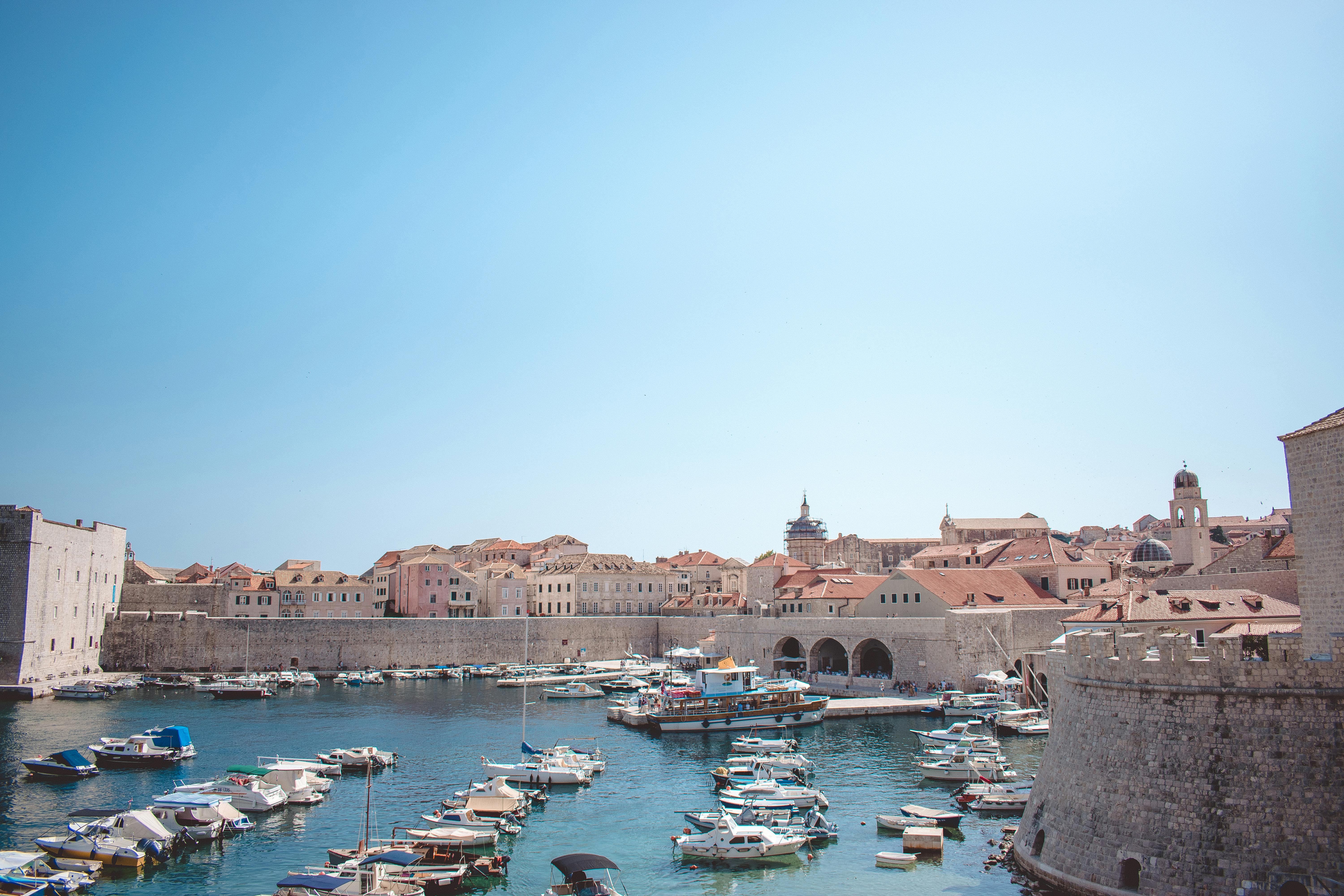
The "Pearl of the Adriatic." A walled city of marble streets and baroque buildings. Walk the walls at sunset for the best 2026 photo ops.

Where modern life thrives inside a 1,700-year-old Roman palace. It’s the primary gateway to the central islands.
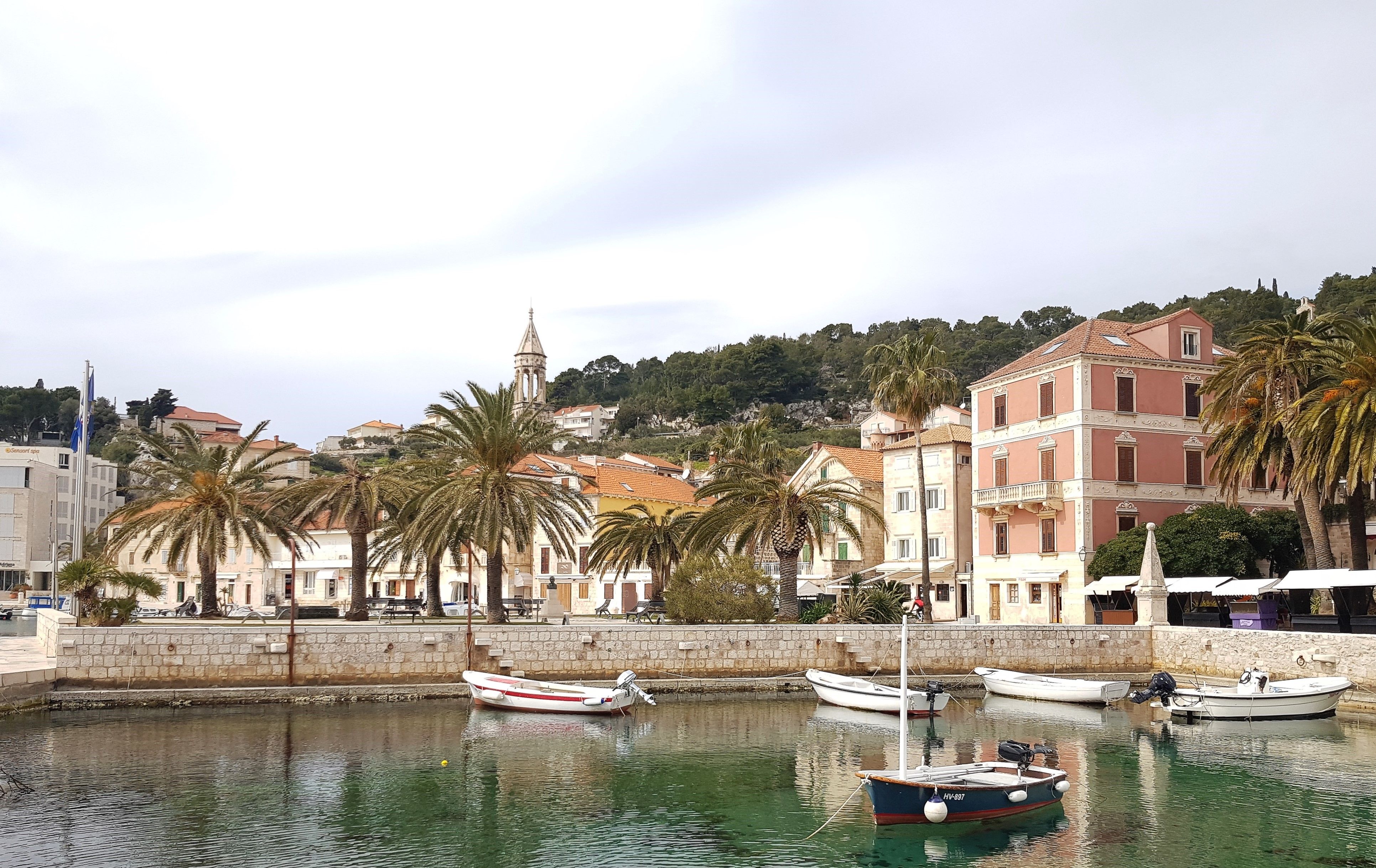
The sunniest island in the country. A glamorous mix of luxury yachts, lavender fields, and ancient stone architecture.
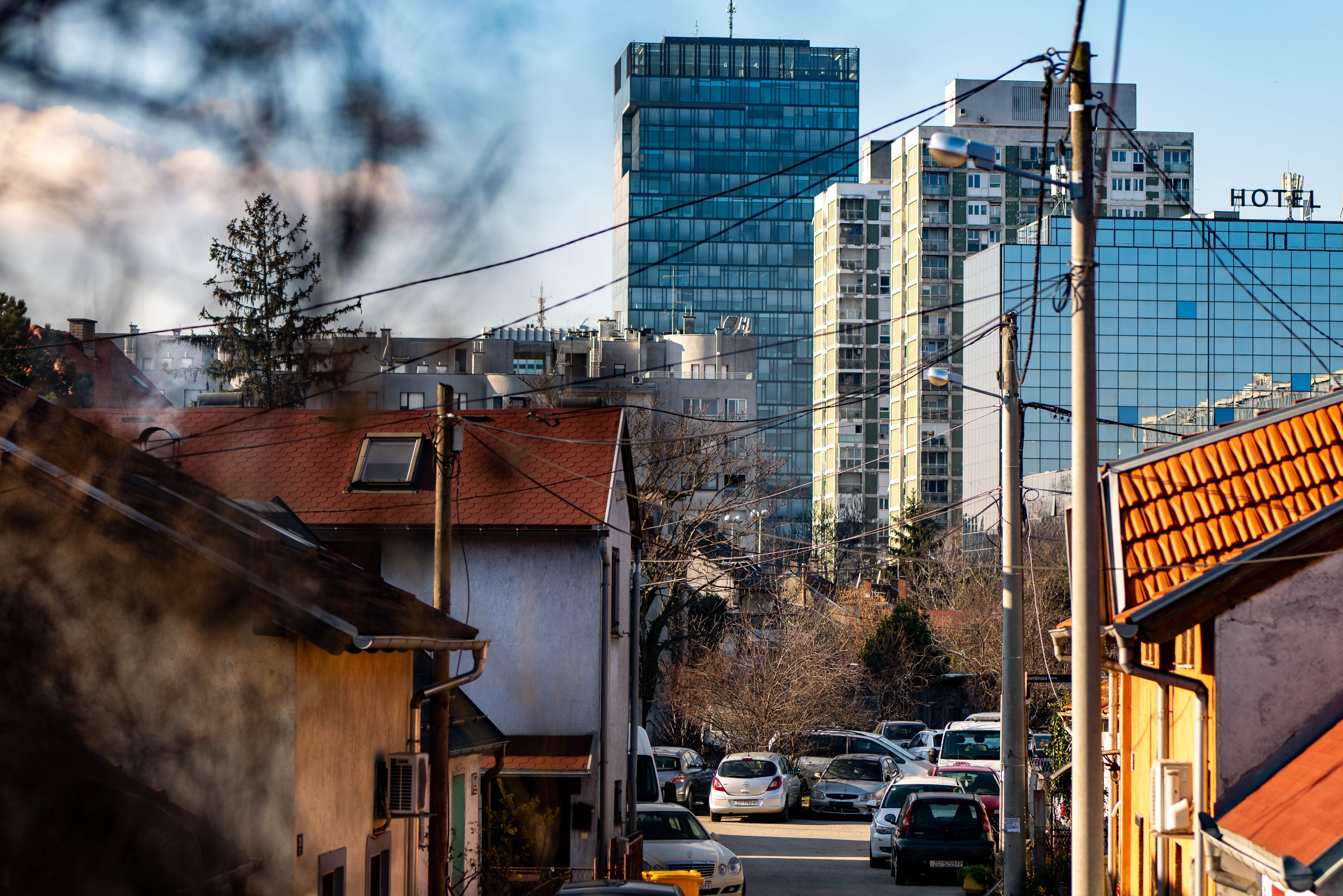
The thriving capital. Known for its quirky museums (Museum of Broken Relationships), vibrant cafes, and Upper Town charm.
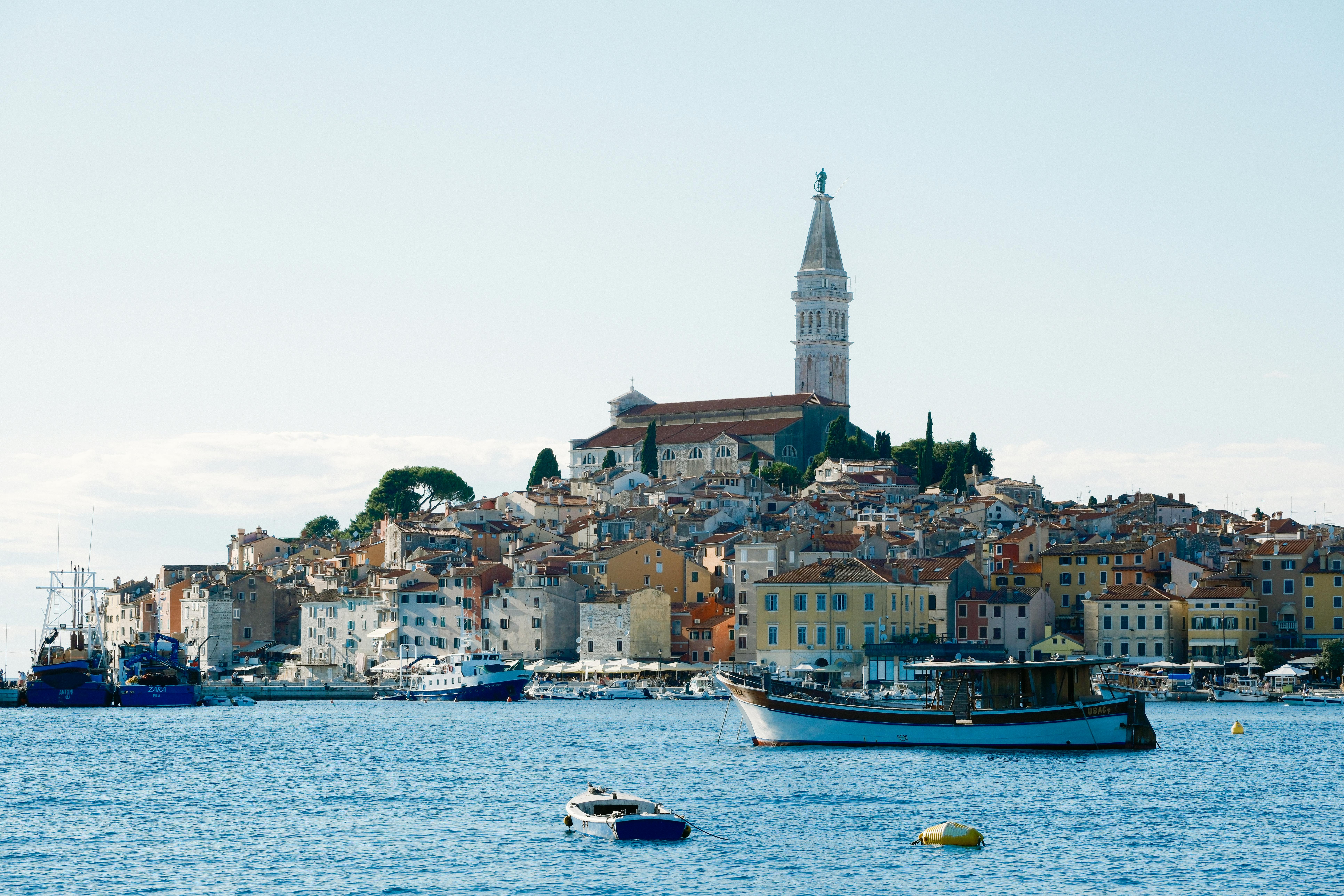
Istria’s most romantic town. Pastel-colored houses rise directly from the sea, clustered around the St. Euphemia cathedral.
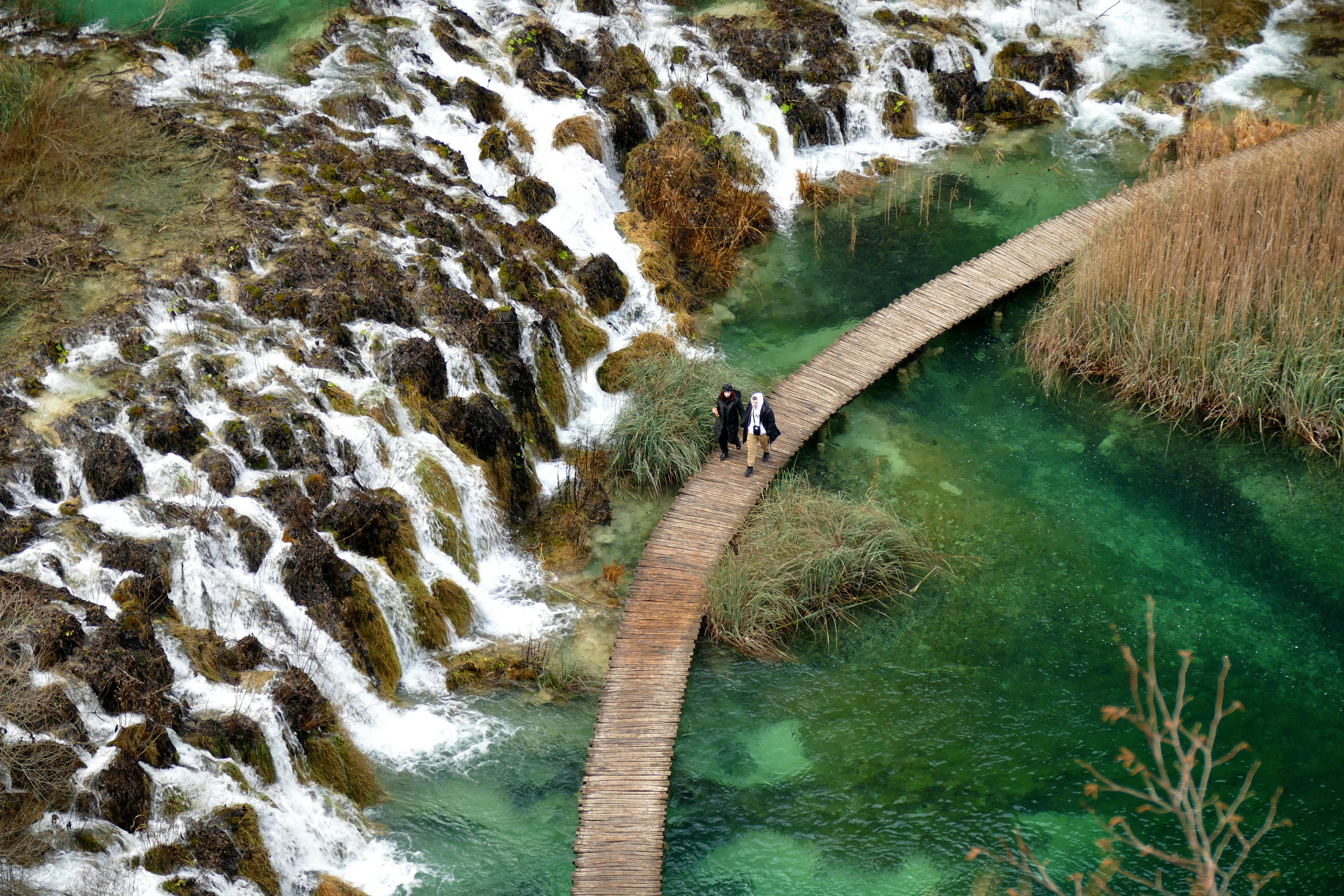
A UNESCO wonderland of 16 interconnected lakes and dozens of waterfalls. Mandatory for any 2026 nature itinerary.
Croatian culture is a blend of Mediterranean warmth and Central European politeness. Eating and drinking are slow-motion activities here.
Jadrolinija is the main line. For catamaran (fast) ferries, book online days in advance in summer. For car ferries, arrive at the port 2 hours early.
Croatia has a limited train network. For 2026 travel, the bus is the way to go. Use Arriva or GetByBus for reliable schedules and digital tickets.
The sea is crystal clear because it’s rocky. This means sea urchins are common. Buy a pair of rubber water shoes at any local stall to avoid a painful injury.
By law, you must receive a receipt for every purchase. Keep it until you are 20 meters from the shop, as tax inspectors occasionally check customers to prevent tax evasion.
Instant travel requirements for 150+ world destinations.

Arrive Well Rested with the New Serenity 2 Sleep Mask
Designed for total darkness and uninterrupted sleep.

Customer Favorites

On-the-Go Essentials

Travel Tech

Travel Comfort

Smart Packing

Travel Made Simple
At Jetvance, we’re a Belgium-based team focused on making travel easier through smart products and useful information. We create tools that simplify the way you plan, organize, and experience your trips. Alongside our products, we provide clear and practical insights about destinations and travel in general, helping you feel more prepared wherever you go. With Jetvance, everything you need to travel smarter is in one place.